
Publications
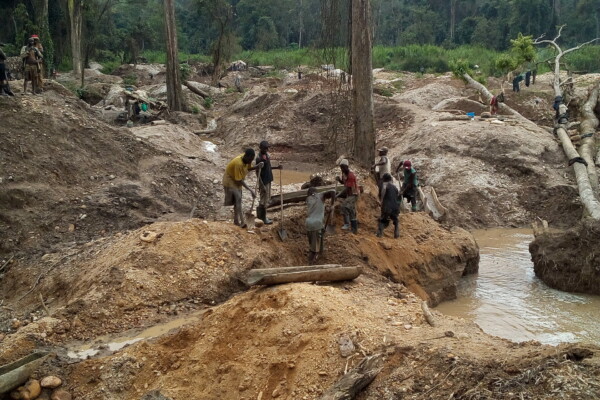
IPIS Insights -The artisanal and small scale mining sector in eastern DRC six months after the Covid-19 outbreak
- Guillaume de Brier, Ken Matthysen | April 19, 2021
In April 2020, when the Coronavirus spread around the world, IPIS started monitoring the impact of the pandemic on the production and trade of the artisanal and small-scale mining (ASM) sector in eastern Democratic Republic of the Congo (DRC). IPIS published a report in October 2020 that discussed the results of several rounds of consultations with ASM stakeholders at nearly 90 Tin, Tantalum, Tung

Evaluating Due Diligence Programs for Conflict Minerals
The 2010 Dodd-Frank Act requires that US-listed companies sourcing so-called “conflict minerals” from Africa’s Great Lakes region conduct due diligence. Since January 2021, the EU imposes its 3TG importers to conduct due diligence in line with the OECD Guidelines (for a comparison between the two regulations, see IPIS Insight: Regulating Responsible Sourcing of 3TG Minerals). D
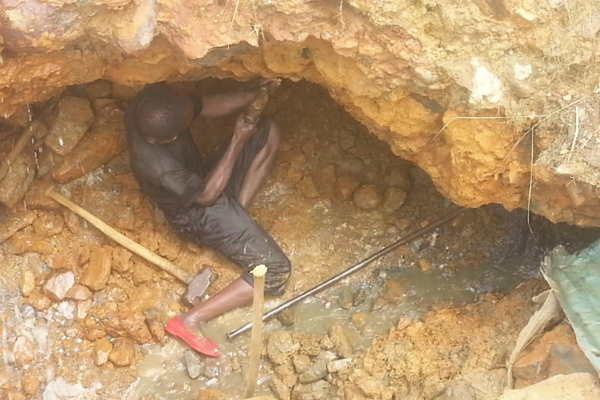
Voix du Congo: Analysis of incidents in 3TG supply chains in Walungu and Kabare, South-Kivu, DRC
- Benjamin BISIMWA, CRESA, Innocent IRENGE | February 2, 2021
Since November 2018, International Peace Information Service (IPIS) has been implementing the “Kufatilia” project which aims at strengthening transparency in the monitoring of incidents related to artisanal mining.
Voix du Congo: Monitoring incidents in artisanal supply chains in the Rubaya mining zone, Masisi territory, North Kivu
- Pole Institute, Raoul Banywesize Busime | December 15, 2020
In the “Voix du Congo” series, Pole Institute presents a study on incidents in artisanal supply chains in the Rubaya mining area, Masisi territory in North Kivu province (DRC). This study focuses on incidents reported between September and June 2020 via the “Kufatilia” platform in the Rubaya Mining Zone, Masisi Territory, North Kivu Province.
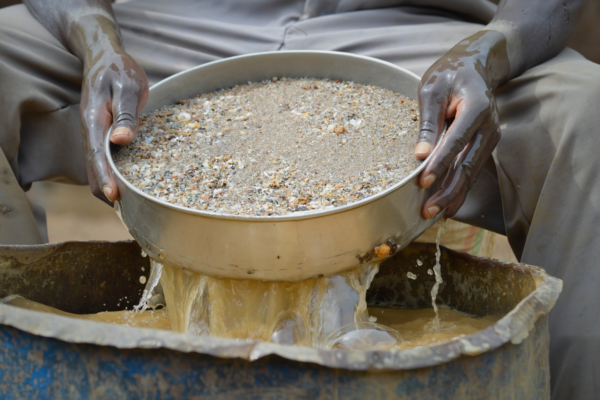
The mining sector in the Democratic Republic of Congo, Delve Country Profile
- Laure Gerig, Lotte Hoex, Nathan Schneck (Pact), Patricia Ndagano (World Bank) | November 5, 2020
In partnership with Delve, IPIS produced a profile of the ASM sector in the Democratic Republic of Congo. The Country Profile compiles information on the mining governance framework, provides data on key ASM minerals and analyses the contribution of artisanal mining to the SDGs.
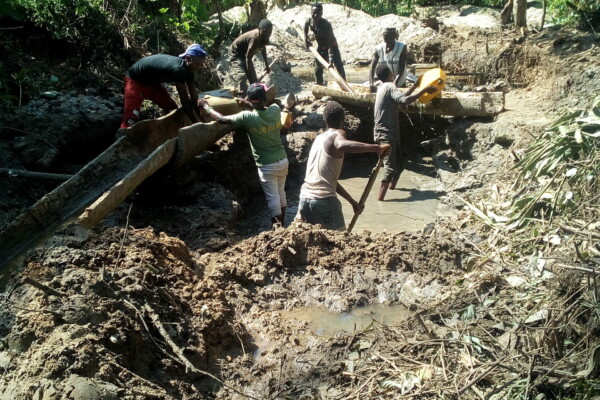
L’exploitation minière artisanale à Beni-Mbau : Etat des lieux et cartographie des sites miniers
- Henri Kamabu Ngavo, Herman Hamuli Miruho, Janvier Murairi (ASSODIP), Ken Matthysen, Mieke Thierens, Saidi Kubuya (ASSODIP) | October 30, 2020
In the framework of the stabilisation project “Ensemble pour Beni”, IOM, IPIS, ASSODIP and ASADHO carried out a baseline assessment of the artisanal mining sector in the Beni territory. This report provides an overview of the sector and analyses opportunities to promote responsible mineral supply chains.
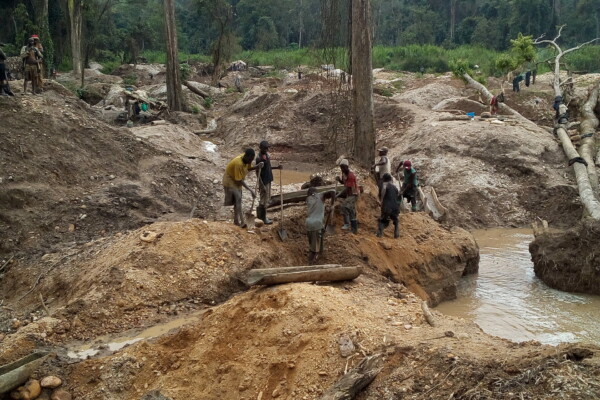
The impact of Covid-19 on the artisanal mining sector in eastern DRC
- Guillaume de Brier, Ken Matthysen, Lotte Hoex | October 14, 2020
As Covid-19 spreads around the world, artisanal mining communities experience once more how much their livelihoods depend on the global economy. Since the outbreak of the Covid-19 pandemic, IPIS has closely monitored its impact on 3T, gold and diamond mining and trade in the DRC.

Story map of ASM sites in the DRC
-
| October 6, 2020
Explore IPIS’ web map of the eastern Democratic Republic of the Congo (DRC) with a guided narrative In its new story map, IPIS presents data gathered on eastern DRC’s artisanal mining sector and highlights key information from its reports investigating the interactions between natural resources and conflict dynamics in the region. Data was gathered on around 2,700 mining sites, and the principal m
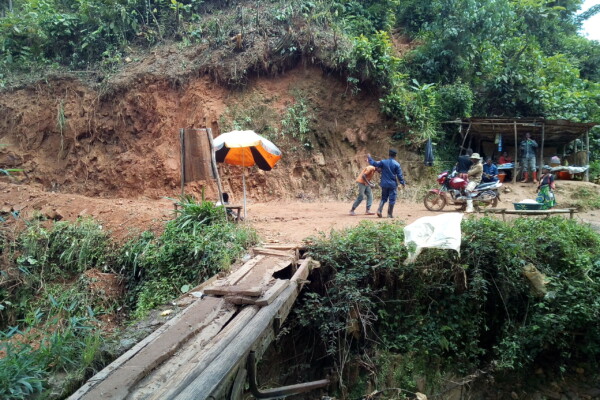
Voix du Congo : Analysis of incidents in the artisanal gold supply chain in Misisi
- APDE, Julien Mapenzi | July 28, 2020
See our series: VOIX DU CONGO In the “Voix du Congo” series, the non-profit organisation “Action pour la paix et le development” presents a study on incidents in the artisanal gold supply chain in Misisi. APDE is a socio-legal, apolitical and non-confessional NGO working on mining, human rights which can lead concrete response actions in specific areas such as: conflict prevention and resolution,
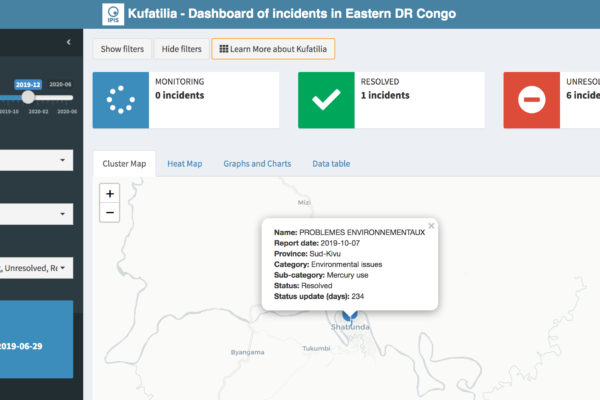
Voix du Congo : Analysis of incidents in the artisanal mining supply chain in Shabunda territory, South Kivu
- ACADHOSHA, Blaise BUBALA | July 23, 2020
See our series : VOIX DU CONGO In the “Voix du Congo” series, “Action des Chrétiens Activistes des Droits de l’Homme à Shabunda” (ACADHOSHA) presents a study of incidents in the artisanal mining supply chain in Shabunda territory (South Kivu). ACADHOSHA is a non-profit association, under Congolese law, that campaigns for the promotion of human rights, justice and the sustainable manage
The impact of COVID-19 on African communities affected by diamond mining
- Kimberley Process Civil Society Coalition | July 1, 2020
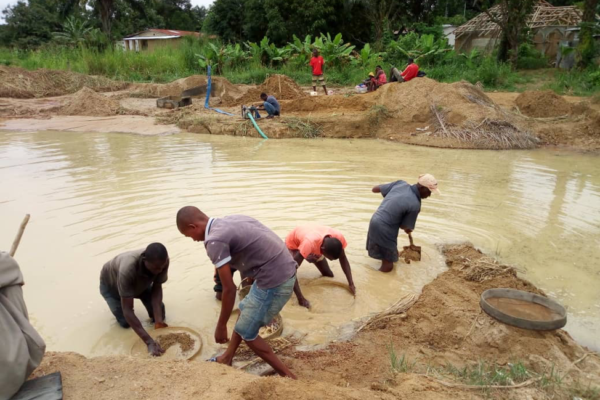
The Kimberley Process Civil Society Coalition (KPCSC), of which IPIS is a member, has published a new report on the impact of COVID-19 on African communities affected by diamond mining. The diamond sector has been hit hard by the coronavirus pandemic. The devastation is felt across the supply chain, not the least in various African countries that depend on this precious mineral in their socio-econ
Dashboard of incidents in eastern DRC – Kufatilia
- Thomas Muller | June 10, 2020
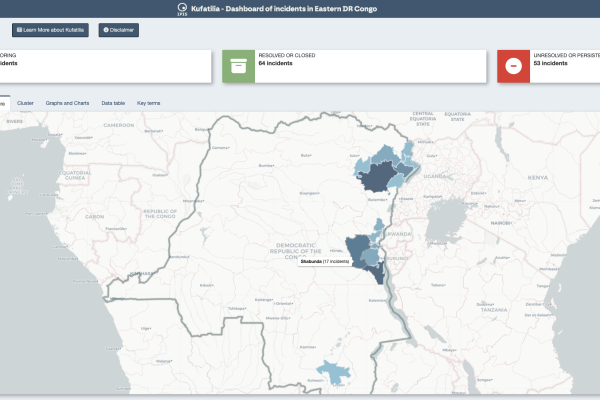
The Kufatilia platform (“to track” in Swahili) is an SMS based incident reporting and follow-up mechanism that has been launched in 2019 to increase transparency of minerals supply chains in Eastern DRC. Developed by IPIS in partnership with the Centre for Expertise on Mining Governance (CEGEMI) based in Bukavu, and powered by Ulula, Kufatilia is a tool for Congolese civil society organisations to
Maps of conflict minerals in Eastern DRC (2020)
- Alexandre Jaillon | June 9, 2020
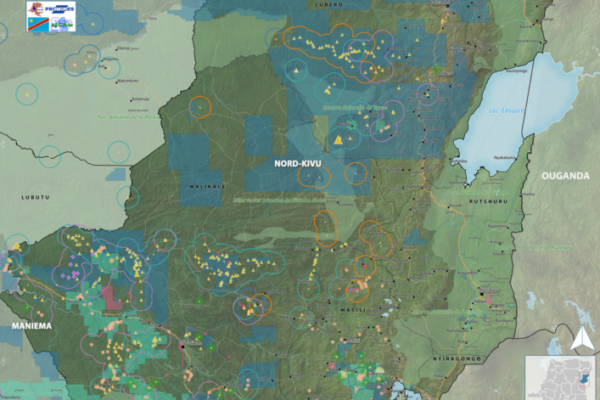
IPIS created maps of conflict minerals in eastern DRC, more particularly on Haut Uele, Ituri and North and South Kivu. These maps detail the type of minerals, the qualification of the mines, the mining titles and give an overview of armed presence in and around the mines. d Download the North Kivu map in full resolution Download the South Kivu map in full resolution Download the Haut
Transparency and Formalization of Gold Supply Chains in Eastern DR Congo
- Alexandre Jaillon, Erik Gobbers, Gabriel Kamundala Byemba | May 12, 2020
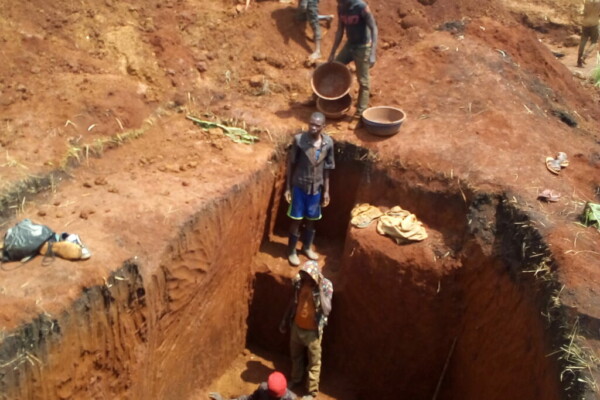
Advancing incident reporting and community participation in responsible sourcing From January 2018 till December 2019, IPIS and its partner CEGEMI (Catholic University of Bukavu) carried out a capacity enhancement project in the gold mining sector in Eastern Congo, financed by the European Partnership for Responsible Minerals (EPRM). The project was composed of two complementary parts: 1) a mining
How much does a miner earn? Assessment of miner’s revenue; basic needs study in the DRC
- Alexandre Jaillon, Angela Jorns, Guillaume de Brier, Markus Geray | May 7, 2020
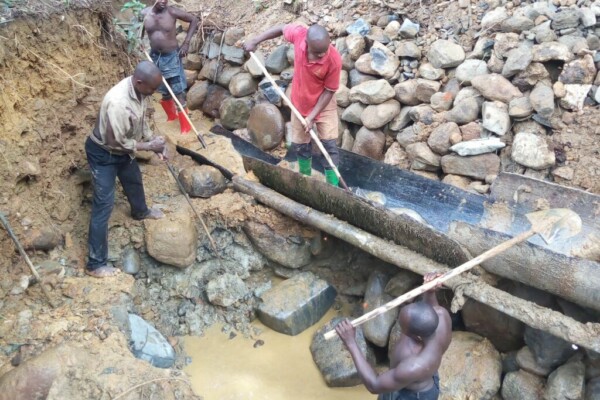
How much does a miner earn in Democratic Republic of the Congo (DRC)? Can a miner’s family cover its basic needs? In a new report, IPIS and Levin Sources compare the income of miners and their basic needs expenditures, to provide a better and nuanced understanding of why ASM communities seem to remain extremely poor and identify the factors that impact their income. This report is the first to fin
Ground-Based Incident Reporting in eastern DRC – Progress Report 3
- Alexandre Jaillon, Erik Gobbers, Gabriel Kamundala Byemba | November 15, 2019
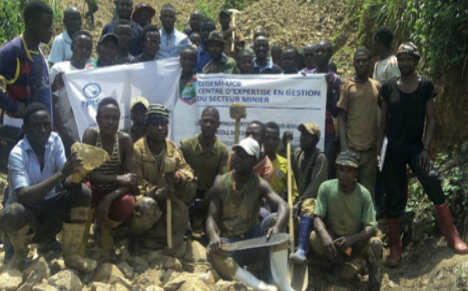
In January 2018, the European Partnership for Responsible Minerals (EPRM) granted IPIS funds to implement an independent, transparent and participatory platform for incident reporting and community empowerment in responsible sourcing in the eastern DRC gold sector. This platform will have to contribute in improving transparency around follow-up and resolution of incidents in cooperation with relev
Voix du Congo: Misisi, why so many incidents in the gold supply chain?
- APDE, Julien Mapenzi, Mapenzi Julien (APDE) | October 3, 2019
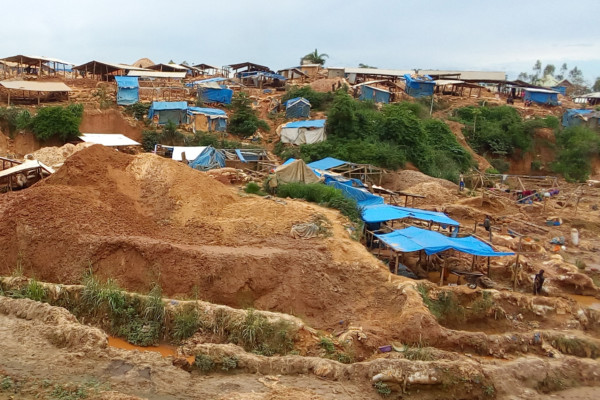
See our series : VOIX DU CONGO In the “Voix du Congo” series, the non-profit organisation “Action pour la paix et le développement” (APDE) presents a study of incidents in the gold supply chain in Misisi, DRC. This study is published in the “Voix du Congo” series, a series of publications by local partners and that aims to bring their work to a wider audience. APDE is an NGO with
Assessing the impact of due diligence programmes in Eastern DRC: A baseline study
- Alexandre Jaillon, Antoine Heuty, Erik Gobbers, Manuel Claeys Bouuaert, Timo Makori | April 24, 2019
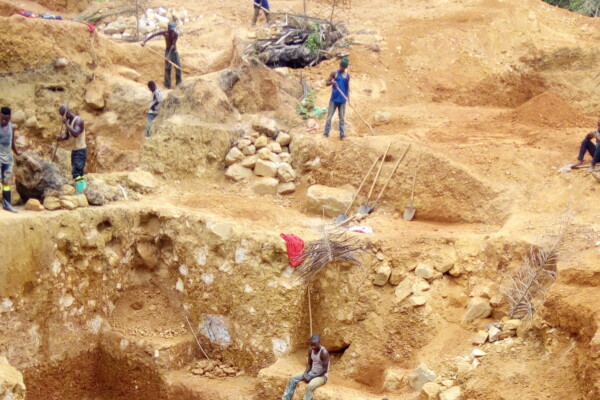
Over the past decade, various legislative and due diligence programmes (DDP) have been developed to improve mining communities’ livelihoods and reduce human rights abuses in conflict affected and high- risk areas, with a special focus on the African Great Lakes region. Despite significant growth and investments in minerals certification and traceability schemes, data on the impact of due diligence

Mapping artisanal mining areas and mineral supply chains in eastern DRC (2019)
- Ken Matthysen, Lotte Hoex, Peer Schouten (DIIS/IPIS), Steven Spittaels | April 9, 2019
In a new report and webmap, IPIS presents its updated data on armed conflict and armed interference in eastern DRC’s artisanal mining sector. Building on extensive data, gathered over the last ten years, IPIS assesses the impact of responsible sourcing initiatives in DRC, designed to address armed interference in mineral supply chains. The report illustrates that responsible sourcing efforts have

ASM Incident Tracker
- Alexandre Jaillon | April 5, 2019
Welcome to Kufatilia, the ASM Incident Tracker developed by IPIS in collaboration with the Expertise Centre on Mining Governance (CEGEMI) based in Bukavu, and powered by Ulula. The ASM Incident Tracker is a tool for Congolese civil society organisations to report and monitor incidents in Eastern DRC in a transparent, independent and participatory way. The reported incidents, in line