
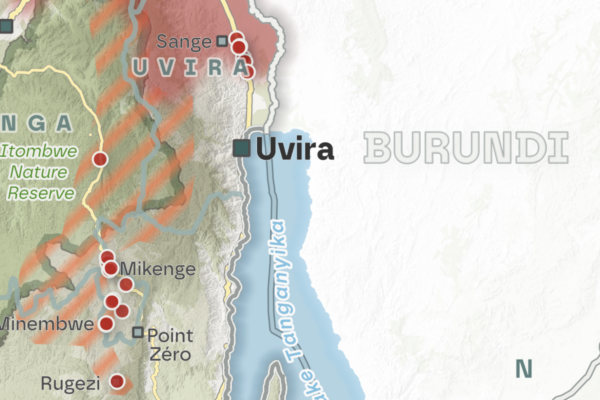
Shifting frontlines in 2026: New year – old challenges. Hostilities in eastern DRC continue amid increased diplomatic efforts
25 juin 2026As the conflict in eastern DRC entered its third year of major hostilities between the Rwanda-backed AFC/M23 alliance and the FARDC/Wazalendo coalition, diplomatic efforts continued in early 2026 to advance the peace process. Despite renewed diplomatic momentum and both parties’ stated commitment to the peace processes, the situation on the ground remained marked by continuous violent clashes, shi

Thorny issues risk jeopardising the US-brokered peace deal between the DRC and Rwanda, but can regional economic integration offer solace?
19 février 2026On the 4th of December 2025, Presidents Félix-Antoine Tshisekedi and Paul Kagame symbolically signed the Washington Accords for Peace and Prosperity, thus ratifying the Peace Agreement between the Democratic Republic of the Congo (DRC) and Rwanda agreed to on the 27th of June 2025. The 4th of December was a busy day in Washington in terms of signing agreements, as the governments of DRC and Rwanda

L’émergence des Wazalendo dans la lutte contre l’AFC / M23 au Nord-Kivu: État des lieux, défis et perspectives
5 février 2026Le 27 janvier 2025, l’Alliance Fleuve Congo/Mouvement du 23 mars (AFC/M23) – soutenue par le Rwanda – a pris le contrôle de Goma, capitale de la province du Nord-Kivu en République démocratique du Congo (RDC), avant de progresser vers Bukavu, capitale du Sud-Kivu, tombée en février 2025. La réémergence du M23 en 2021 et sa progression rapide ont conduit le gouvernement congolais à faire appel à de

Shifting frontlines in October, November and December – Limits of diplomacy: AFC/M23 advances after Washington Accords
19 décembre 2025On 4 December 2025, Rwanda and the Democratic Republic of the Congo (DRC) signed the US-brokered Washington Accords for Peace and Prosperity, committing to cease hostilities, establish a permanent ceasefire, and implement the 25 April Declaration of Principles and the 27 June Peace Agreement. However, critical questions have been raised about the prospects for lasting peace in eastern DRC, as Kig

Militarisation, genre et extraction des ressources dans les Kivus post- janvier 2025
31 octobre 2025La région du Kivu, en République démocratique du Congo (RDC), a connu un changement important dans la dynamique de son conflit au cours des dernières années, en particulier après janvier 2025, marqué par une expansion territoriale importante de la rébellion du M23 et, en réponse à celle-ci, par une augmentation de la présence des groupes armés locaux réunis sous la bannière des « Wazalendo ». Cett

M23’s territorial advances in July, August, and September 2025 – Escalating violence and fragile peace in eastern DRC’s Kivu regions
17 octobre 2025New peace agreements from Washington and Doha have brought hope for initiating a pathway to resolve the ongoing M23-conflict in DRC’s eastern territories in recent months. However, after the signing of the Declaration of Principles in Doha on 19 July, direct negotiations between the DRC and AFC/M23 were intended to result in a comprehensive peace agreement and were planned to begin no later than 8

Navigating insecurity: Community-combatant relations and the role of traditional leaders in Eastern DRC
23 septembre 2025The briefing is based on research in which IPIS itself was not involved. The data discussed were collected as part of a PhD research project at the Center for Security Studies (CSS) at ETH Zürich. For over two decades, eastern Democratic Republic of the Congo (DRC) has experienced persistent violence shaped by a complex web of armed groups, shifting alliances, and limited state presence. The

Voix du Congo – La contrebande du coltan du Sud-Kivu vers le Rwanda: les routes, les facteurs et sa mise en œuvre
22 juillet 2025L’escalade du conflit dans l’est de la RDC a attiré l’attention des médias sur le coltan et son rôle dans la violence. Si la plupart des reportages se sont concentrés sur la production et le commerce (illégal) du coltan dans le Nord-Kivu, la contrebande est également très répandue dans le Sud-Kivu. Ce rapport examine les principales routes de contrebande, les facteurs qui y contribuent et les prat

M23’s territorial advances in June – A long path to peace: Renewed efforts to resolve the M23 conflict in Eastern Congo
18 juillet 2025New mediation efforts have been made throughout June to end the ongoing conflict between the Rwandan-backed M23 rebels and pro-government forces in the North and South Kivu regions of eastern Congo. On June 27th, the Democratic Republic of Congo and Rwanda signed a peace agreement in Washington, D.C., aimed at de-escalating tensions and fostering regional stability after years of conflict in easte

M23’s territorial advances in May – From Doha to Goma: The disconnect between diplomacy and reality in Eastern Congo
12 juin 2025Despite the ongoing peace negotiations between the Rwandan-backed M23 rebels and the Congolese government in Doha (Qatar), and the signature of a declaration of principles between Rwanda and the DRC, under the patronage of the United States in Washington, D.C. in April, the evolution of the conflict in eastern DRC has shown no sign of abating.

The rising spotlight on coltan: Understanding its strategic importance and role in the Eastern Congo conflict
25 mars 2025In the past two decades, there has probably been no time when coltan has been discussed as much as it is today. Initially brought to global attention in the early 2000s, coltan was wrongly portrayed as the main cause of the conflict in Eastern Congo and was subsequently labelled as a « conflict mineral. » However, following the capture of Goma by the M23 rebel group in January 2025, supported by the
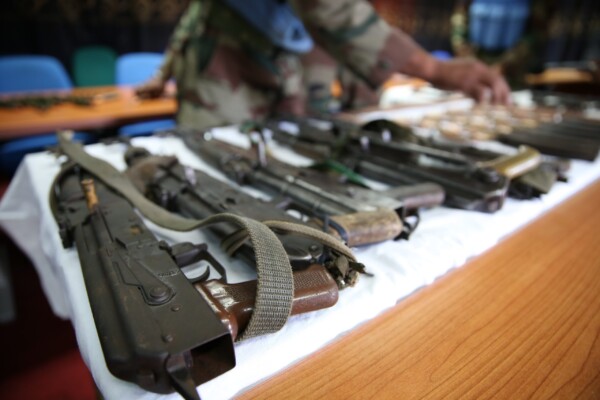
Promoting DDR programmes while arming non-state armed groups: Congo’s paradoxical conflict resolution policies in the context of the M23 insurgency
11 février 2025When President Félix Tshisekedi came to power in 2019, he firmly promised the Congolese citizens to end the conflicts and restore peace in Eastern Democratic Republic of Congo (DRC). To reach these goals, his government wanted to combine regional diplomacy to establish political and security cooperation between DRC and neighbouring countries, with enhanced military operations against armed groups

« La (nouvelle) offensive du M23 sur Goma : pourquoi ce conflit de longue date ne concerne pas uniquement les minerais et quelles en sont les implications ? – Questions-Réponses »
6 février 2025Au matin du 29 janvier, les rebelles contrôlaient en grande partie la ville stratégique de Goma. Pour expliquer rapidement et clairement les causes de cette crise humanitaire, on surestime souvent le rôle des ressources naturelles, en particulier des minerais. Si l’exploitation minière et le commerce des minerais jouent inévitablement un rôle important, car ils constituent un élément essentiel de
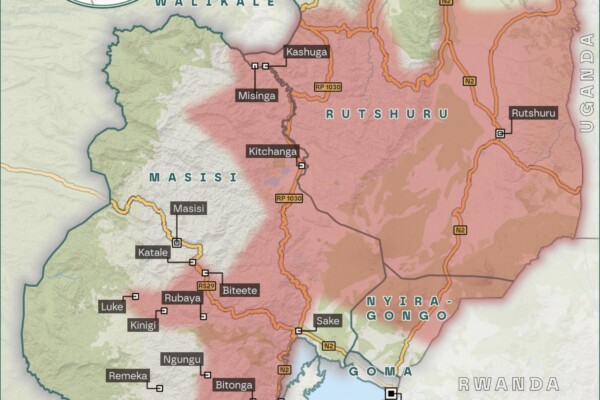
Shifting frontlines: Visualizing the evolution of the M23’s territorial influence in early 2024
20 juin 2024In early 2024, IPIS, ASSODIP, and DIIS published a report on the stakes and motivations of the “March 23 Movement” (M23), a rebellion causing serious insecurity and humanitarian suffering in the eastern Democratic Republic of Congo (DRC). The movement took up arms again in 2021, and it rapidly seized vast territories in the south-east of North Kivu province in 2022, with military support from the
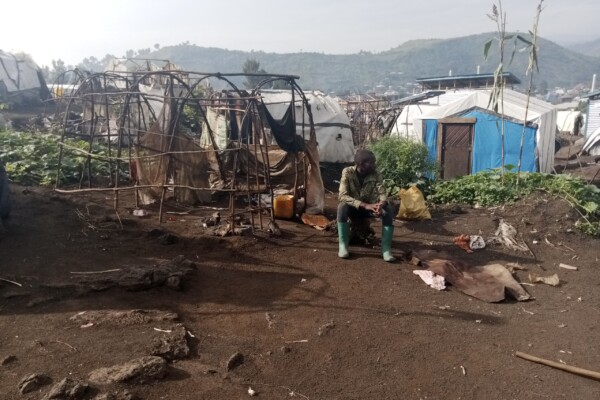
Le M23 « version 2 » : Enjeux, motivations, perceptions et impacts locaux
4 avril 2024Depuis 2021, l’est de la République démocratique du Congo (RDC) est à nouveau sous l’emprise du groupe armé du « Mouvement du 23 mars » (M23). Défait en 2013, le M23 a repris les armes en 2021, et réussissait en 2022 à s’emparer rapidement de vastes territoires au sud-est de la province du Nord-Kivu.
M23 crisis flares again in North Kivu: context, dynamics and risks
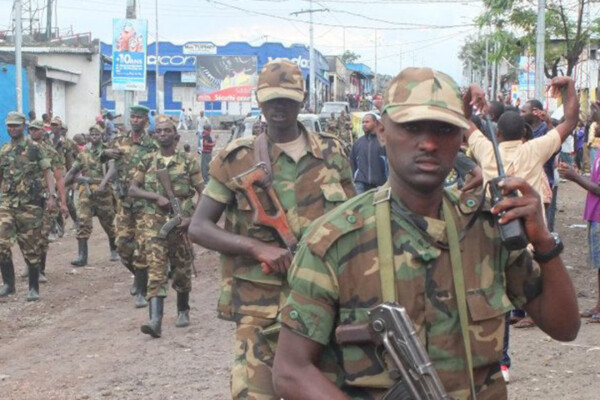
16 novembre 2023Past October, violence resurged in North Kivu province, as clashes intensified between the Movement of March 23 (M23) and various local militias, as well as the Congolese army (FARDC). An additional 200,000 people have been displaced last month, exacerbating the dire humanitarian situation in the province which already counted over 590,000 internally displaced persons (IDPs) due to the M23 crisis
Pourquoi le M23 n’est pas un groupe rebelle comme les autres
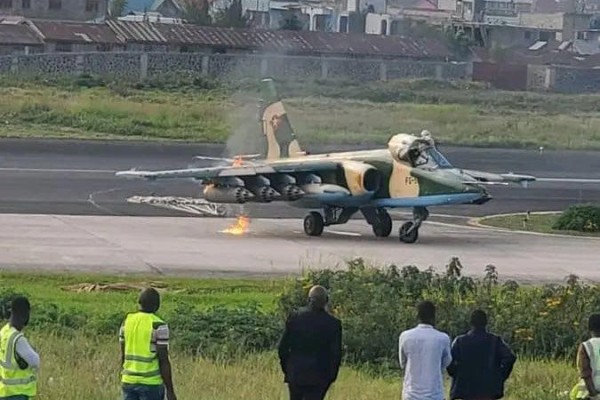
6 février 2023IPIS Briefing – Janvier 2023 This briefing is also available in English. L’année dernière, des changements majeurs sont intervenus dans la partie orientale de la République Démocratique du Congo (RDC), ravagée par des groupes armés depuis des décennies. Un groupe en particulier est passé au premier plan, le Mouvement du 23 Mars (M23). Les objectifs du M23 se situent à l’intersection des inté
Cartographie des motivations derrière les conflits: le M23
25 novembre 2012Depuis 2004, IPIS a publié divers rapports sur le conflit qui affecte la République démocratique du Congo (RDC). De 2007 à 2010, IPIS a porté avant tout son attention sur les motivations des principaux groupes armés qui subsistent en RDC suite aux guerres que le Congo a connues en 1996 et en 1998. Depuis 2010, nombre de ces groupes ont été démobilisés, plusieurs ont été intégrés à l’armée congolai