
Publications
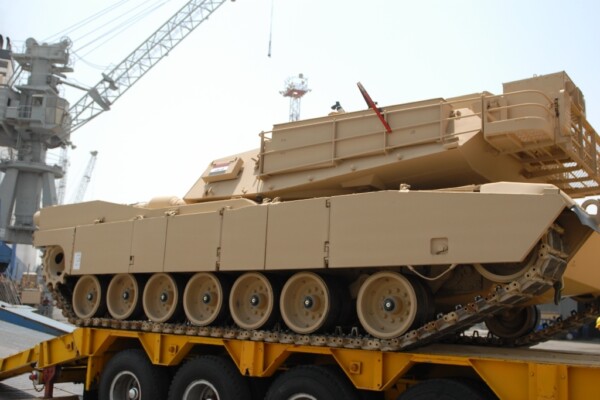
Fatal Freight: Ships, Guns and Human Rights Abuses
- Peter Danssaert, Sergio Finardi | 12 juin 2017
TransArms and IPIS undertook a thorough research of the responsibilities of states and companies involved in the transfer of military equipment by sea under customary international law. The maritime transport is by far the main modality for the transfers of military equipment and commodities. The report considers cases of irresponsible shipments of arms and military commodities to countries with
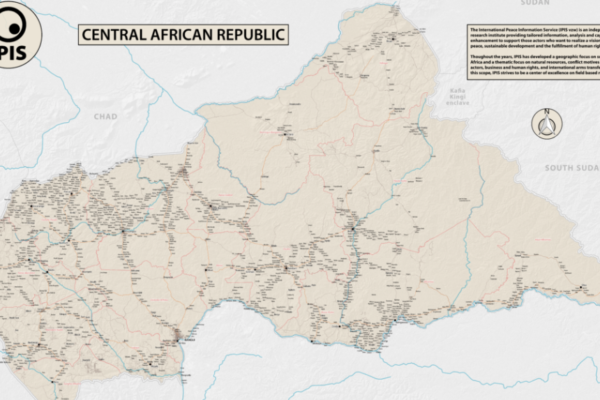
Central African Republic – Road Map (2017)
- Alexandre Jaillon, Milan Nublat | 1 juin 2017
In 2013 the Central African Republic entered a period of great instability. The predominantly Muslim rebel coalition, Seleka, seized power. A group of mostly Christian militias, the Anti-balaka, rose up to counter the Seleka. Years of atrocities, horrors and fighting followed. In 2016 a democratic election was held, a sign of hope for the people of the CAR. However, dissolved fractions of the Sele
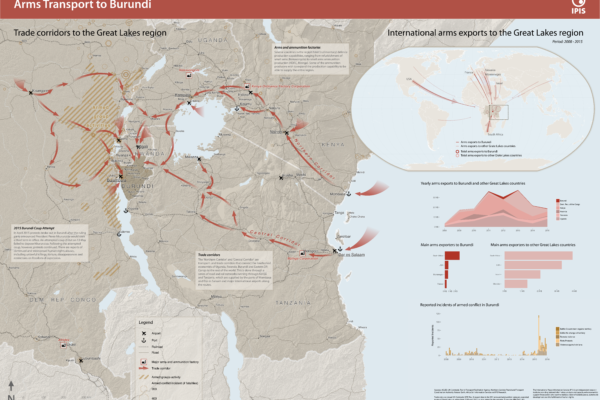
Arms Trade Corridors to Burundi
- IPIS | 5 mai 2017
Burundi has seen a period of unrest following the failed coup d’état by a Burundian general in May 2015. In order to better understand the situation, IPIS drafted a new map entitled ‘Arms transport to Burundi’, which puts the 2015 unrest in the geographical perspective of the Great Lakes region and in the relevant timeframe covering 2008 to 2015. The map highlights two important factors in the rec
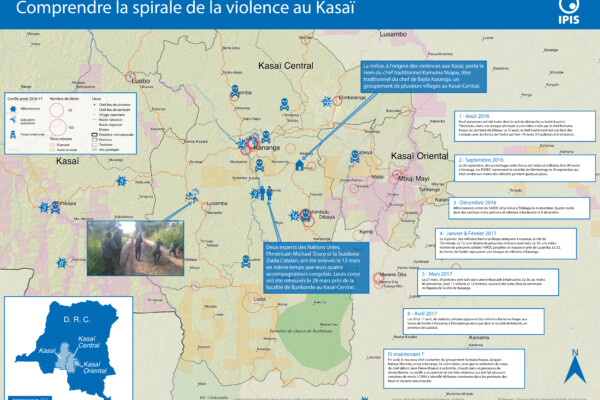
Comprendre la spirale de la violence au Kasaï (2017)
- Alexandre Jaillon | 25 avril 2017
Le Kasaï Central et trois autres provinces voisines sont en proie à des violences mêlant miliciens, policiers et soldats et ayant fait, selon un rapport récent des Nations Unies, plus de 200 morts. Depuis septembre, un soulèvement des partisans du chef coutumier Kamwina Nsapu, tué en août par les forces de l’ordre après s’être rebellé contre les autorités congolaises, a embrasé la région. L’ONU a

China North Industries Corporation Working paper 2
The International Peace Information Service (IPIS) and the Omega Research Foundation (Omega) have undertaken a comprehensive review of one of China’s largest state-owned companies. Norinco – known formally as China North Industries Group (CNGC) was established in 1999 and it consists of at least 46 member units which then have several subordinate companies, joint ventures and associate companies.
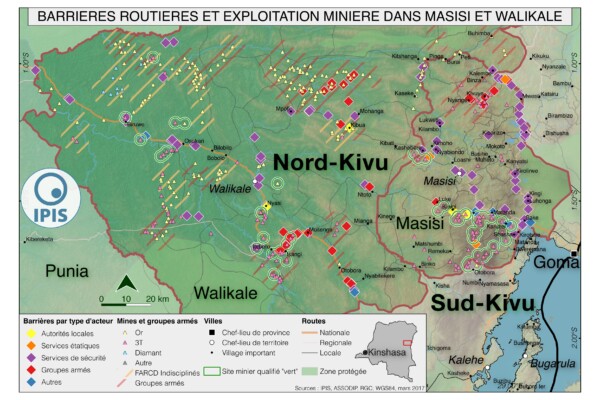
Pillage route: l’économie politique des barrages routiers à Walikale et Masisi (2017)
- Alexandre Jaillon, IPIS, Janvier Murairi, Peer Schouten (DIIS/IPIS), Saidi Kubuya Batundi | 31 mars 2017
French version below – version française ci-dessous Roadblocks are a ubiquitous phenomenon in Eastern Congo. In an effort to map the scope of this phenomenon as well as its significance in the political economy of conflict, IPIS has embarked on a collaboration with the Danish Institute for International Studies. The point of departure is that control over the circulation of people and valua

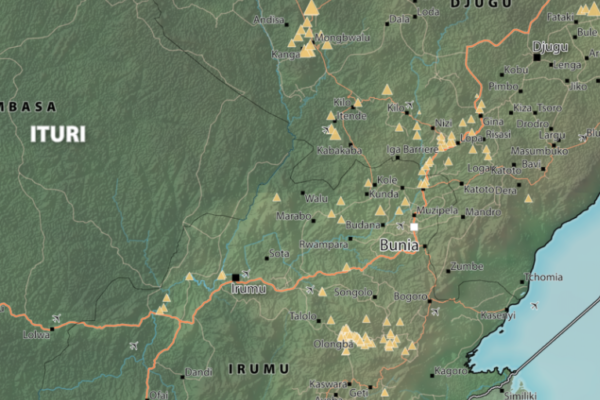
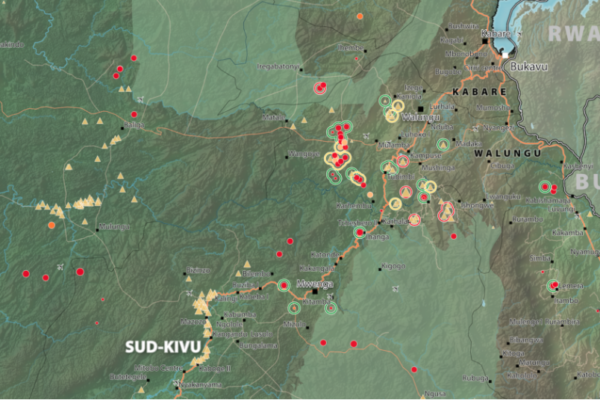
North Kivu Province – A0 Map
- Alexandre Jaillon | 5 mars 2017

Hotel Hercules
- Don Rogers | 3 février 2017
Hotel Hercules is the fruit of an encounter and exchange between Sergio Finardi, defence logistics expert and Don Rogers, a flight engineer who operated on aircrafts servicing CIA operations in support of UNITA between 1986 and 1988. Don Rogers shared memories of his flights to UNITA headquarters as a member of secret CIA missions to supply Savimbi’s army from DRC, as well as the humanitarian flig
Het conflict in de Centraal-Afrikaanse Republiek
- Fiona Southward, Peer Schouten (DIIS/IPIS) | 27 janvier 2017
In 2014 deed IPIS een uitgebreid ‘conflict mapping’ onderzoek om inzicht te krijgen in de veiligheidssituatie in de Centraal-Afrikaanse Republiek (CAR). Dit leidde tot de publicatie van een publiek toegankelijke webkaart over belangrijke conflictdynamieken. IPIS bracht de gewapende groepen, mensenrechtenschendingen, natuurlijke rijkdommen, vluchtelingenstromen en migratieroutes van veehouders in k
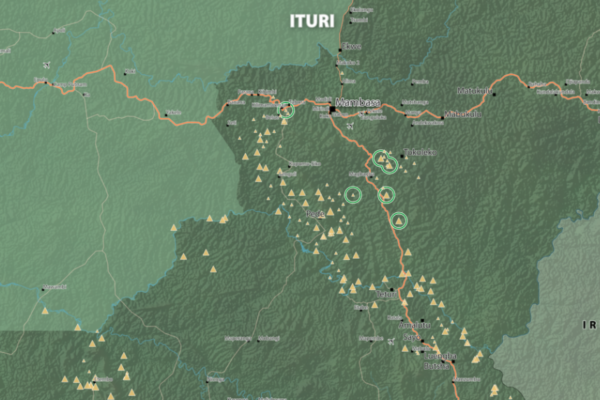
Map of Mambasa Territory
- Alexandre Jaillon | 11 janvier 2017
Territory of Mambasa, Province of Ituri, DRC (Detail)
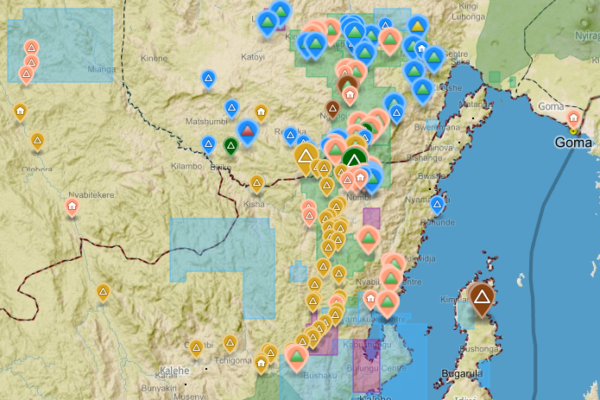
Analysis of the interactive map of artisanal mining areas in eastern DR Congo – 2015 update
- Ken Matthysen, Lotte Hoex, Yannick Weyns | 25 octobre 2016
The Belgian research group IPIS has collected data on 2026 artisanal mining sites in eastern DRC over the last couple of years. IPIS observed an armed presence in more than half of the mines. In an interactive map, updated in 2015, IPIS provides information about the on-site presence of armed groups and the Congolese army (FARDC) as well as indicators of the relative importance of the site. It als
Annual Report 2015
- IPIS | 31 août 2016
Download pdf or open with issuu reader http://issuu.com/ipisresearch/docs/2016_10_10_ipis_jaarverslag_2015_20
Third Party Review of the Bisie Security Report
- IPIS | 19 juillet 2016
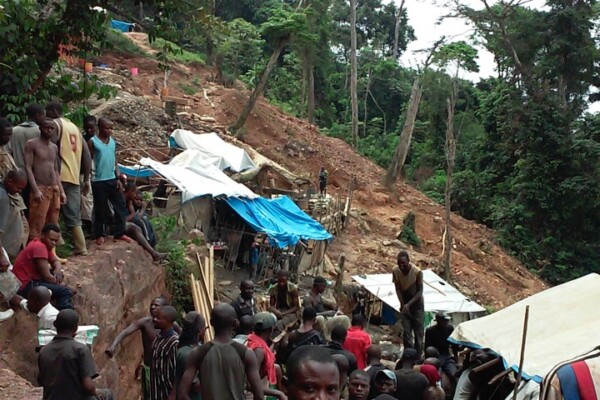
The so-called ‘Bisie Mineral Stock’ encompasses about 1,000 tons of cassiterite, extracted by artisanal miners at Bisie mines between November 2010 and June 2015. A number of bans on mining and mineral trade in this region, as well as some hesitance further down the supply chain to buy untagged minerals, meant that mineral production was not marketed, but stored in warehouses. From 2014 onwards, n

Pierres de couleur dans l’est de la RDC: L’exploitation et le commerce de la tourmaline dans les provinces du Kivu
- IPIS | 11 mai 2016
Responsible sourcing efforts in the Democratic Republic of Congo (DRC) to date have focused predominantly on the so-called 3TG (tin, tungsten, tantalum and gold) sector. Nevertheless, the artisanal exploitation of other minerals including semi-precious gemstones, such as tourmaline, can also make notable contributions to local livelihoods […]
Extractive Orders: a political geography of public authority in Ituri, DR Congo
- Peer Schouten (DIIS/IPIS) | 19 avril 2016
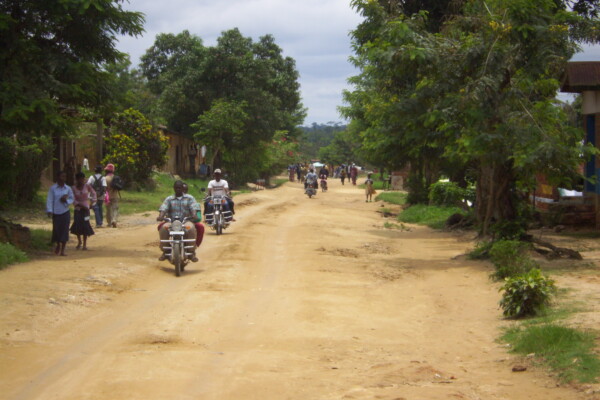
Public authority is an essentially contested concept in the Democratic Republic of Congo (DRC). Not only is the ‘state of the state’ subject to profound disagreement in academic debates, but public authority on the ground is also the focal point of heated contestation. While some argue that the DRC does not exist as a state from the perspective of normative understandings of statehood, others argu
Accessible and Interactive: New Methods of Data Visualization as Tools for Data Analysis and Information Sharing in Transitional Justice Research
- Alexandre Jaillon, Tim Rosenkranz | 24 mars 2016
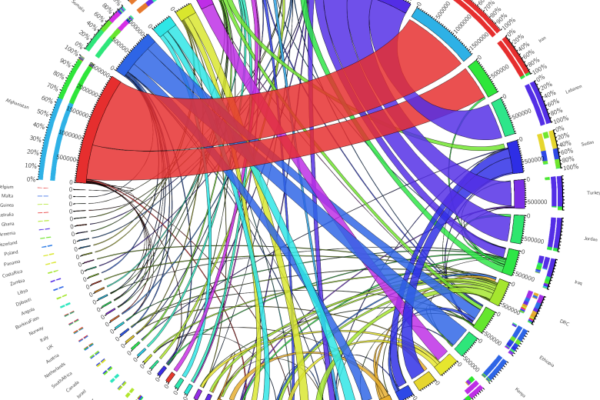
Abstract The production and use of datasets is a growing area in transitional justice research. One constant limitation, however, is the way this data is visualized. Relying only on static graphics and tables, many of these datasets are insufficiently explored and analyzed, and remain inaccessible for other researchers. Interactive data visualization tools are an ideal method for overcoming this g
Business, Human Rights and Uganda’s oil. Part III: Respect and Remedy: Implementing corporate responsibility under the UN Framework on Business and Human Rights
- Chris Musiime, Gabriella Wass, Timothy Kyepa | 31 décembre 2015
The following is the third in a series of four reports exploring business and human rights issues in Uganda’s oil sector. This series is a collaboration between IPIS vzw and ActionAid Uganda. The 2011 UN Guiding Principles on Business and Human Rights operationalise the 2008 Protect, Respect and Remedy Framework. In accordance herewith, this third report assesses the duty of businesses to respect

Thorns amongst the roses. A Cross-country analysis of human rights issues in flower farms in East Africa
- Anna Mlynska, Flavia Amoding, Gabriella Wass | 31 décembre 2015
Floriculture is one of Africa’s most lucrative export sectors and can bring significant benefits to producer communities, but only where operations are conducted in a manner that is sustainable and respectful of the rights of workers and communities. Thorns Amongst the Roses summarises the human rights impacts that the International Peace Information Service (IPIS), the Global Horticultural Worker