
Publicaties
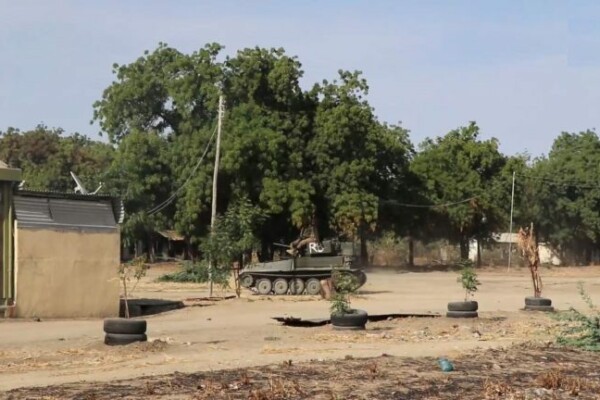
The management of lethal materiel in conflict settings: existing challenges and opportunities for the European Peace Facility
- Eric G. Berman | 8 september 2021
This paper, which is a collaboration between Eric G. Berman (Director of the Safeguarding Security Sector Stockpiles (S⁴) Initiative) and IPIS, shows that levels of loss of uniformed personnel serving in peace operations in the Lake Chad Basin region under the Multinational Joint Task Force (MNJTF), as well as the seizure of lethal materiel from state stockpiles, are astonishingly high. Reporting
Contributions to ‘The Arms Trade Treaty. Weapons and International Law (2021)’
- Brian Wood, Peter Danssaert | 1 juni 2021
IPIS is happy to present Peter Danssaert and Brian Wood’s contributions to ‘The Arms Trade Treaty. Weapons and International Law’ edited by Clare Da Silva and Brian Wood (2021). Peter Danssaert co-authored ‘Article 8: Import’ and ‘Article 9: Transit or Trans-Shipment’. Brian Wood co-edited the book and wrote ‘Article 10: Brokering’, and co-authored ‘Article 7: Export and Export Assessment’. Read t
Africa and the regulation of transnational arms brokering: challenges to implement international standards
- Brian Wood, Peter Danssaert | 1 december 2020
Brian Wood and Peter Danssaert contributed a chapter on transnational arms brokering for the Ethiopian Yearbook of International Law 2019, edited by Zeray Yihdego, Melaku Geboye Desta, Martha Belete Hailu (2020). Abstract: African countries face an ongoing threat from the consequences of unregulated arms brokering but this cannot be solved by remedial action in Africa alone. Cases show t

Annual Report 2019
- IPIS | 26 augustus 2020
This 2019 annual report provides an overview of IPIS’ research projects, capacity enhancement and outreach activities throughout last year. Read the full activity report to see what IPIS has been up to in 2019.
Africa and the ‘grey market’
- Brian Wood, Peter Danssaert | 8 februari 2020
Arms brokering or inter-mediation is a commercial activity within the international arms trade that is difficult to regulate. Arms brokers often operate transnationally, so often escaping or avoiding national trade controls in their home countries and the countries where transactions have taken place. Their transnational operations also create “grey” markets, which sometimes fuel illicit markets.
Wapen- en munitiefabrieken in Afrika
- Peter Danssaert | 25 augustus 2020
De Afrikaanse defensie-industrie blijft relatief onbekend. IPIS en Omega Research Foundation een database samengesteld met de belangrijkste entiteiten in deze industrie: productie- en assemblagefabrieken voor wapens en munitie, bedrijven die verantwoordelijk zijn voor het beheer van zo’n fabrieken en importerende bedrijven. Deze kaart geeft een overzicht van de grootte en de geografische spreidin
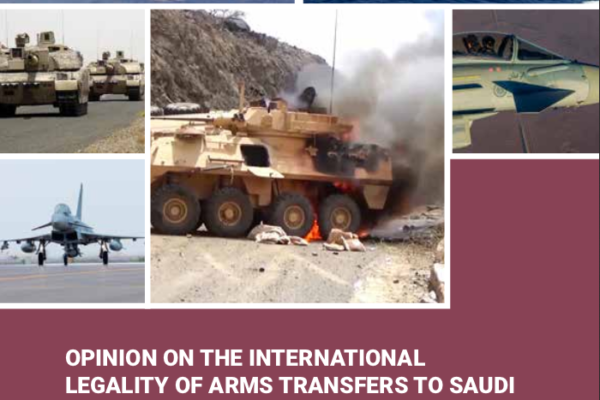
Opinion on the Legality of Arms Transfers to Saudi Arabia, The United Arab Emirates and other members of the coalition militarily involved in Yemen
- Brian Wood, Daniel Turp, Eric David, Valentina Azarova | 10 december 2019
This opinion addresses the legality under international law of the transfer of conventional arms and related equipment to the parties currently engaged in the conflict in Yemen. The opinion does not assess the legality of the export, import or sale of arms to those parties in the light of the domestic law of each supplying State, nor does it consider in detail the obligations of non-state armed gr
IPIS’ Jaarrapport 2018
- IPIS | 27 juni 2019
Het jaarrapport van 2018 geeft een overzicht van de IPIS’ onderzoeksprojecten, capaciteitsversterking en ‘outreach’-activiteiten van het afgelopen jaar. IPIS heeft haar werk in de DRC, Centraal Afrikaanse Republiek en Tanzania geconsolideerd en haar expertise op het gebied van mapping, data-analyse en onderzoek van conflict motieven, natuurlijke rijkdommen, bedrijven & mensenrechten en wapenha
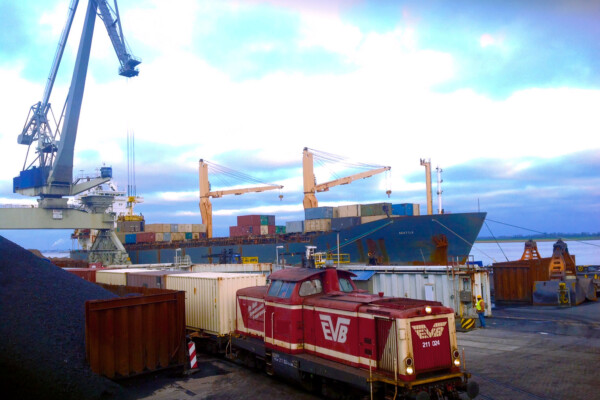
Anti-Diversion Measures. Real-Time Locating Systems
- Peter Danssaert | 20 mei 2019
Diversion is largely a self-inflicted problem that stems from negligence by states, militaries, and civilians (Small Arms Survey, 2008). The illicit trade of small arms and light weapons remains a serious problem internationally and in many countries. To prevent the illicit trade States call for responsible arms export control systems to be put in place. One solution is to prevent diversion, mostl

Infographic – The ATT, arms trade to Saudi-Arabia and violence in Yemen
-
| 8 februari 2019
The ongoing war in Yemen has transformed into a humanitarian catastrophe of unknown magnitude. Civilian casualties, estimated in the millions, continue to rise as do the number facing severe famine. Saudi Arabia and other parties to the Yemeni conflict stand accused of repeatedly violating international humanitarian law. In spite of these allegations, countries continue to export weapons and milit
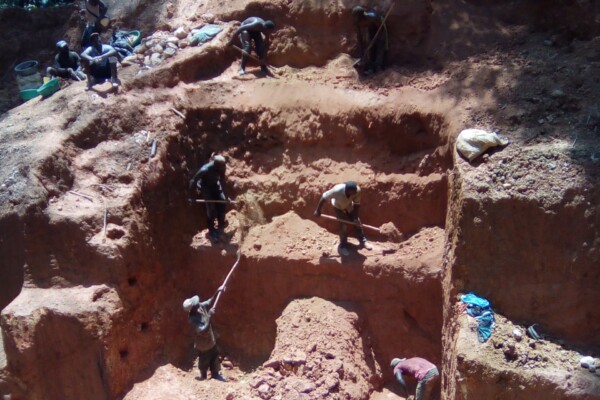
Annual Report 2017
- IPIS | 21 augustus 2018
In its 2017 annual report, IPIS gives an overview of its research projects and activities. It covers the four research programmes that IPIS focusses on: natural resources, arms trade, conflict mapping and business and human rights. IPIS explains among others its mapping work of artisanal mining sites in the Democratic Republic of Congo, its work on Human Rights in mining in Northwest Tanzania an
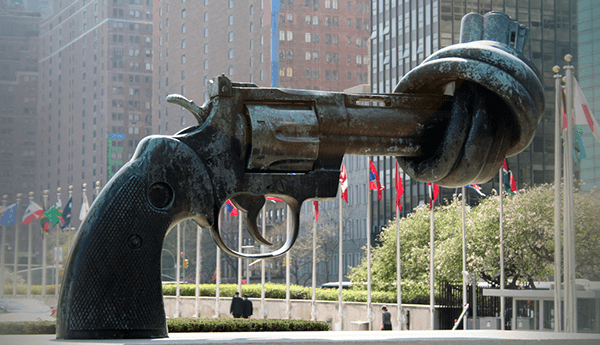
E-learning: The Arms Trade Treaty
- Brian Wood, Markus Fahlbusch, Peter Danssaert | 7 september 2017
In June 2017, IPIS launched its e-learning digital education package to support the early ratification and effective implementation of the Arms Trade Treaty. The Arms Trade Treaty (ATT) was adopted by the UNGA on 2 April 2013 and entered into force on 24 December 2014. There are currently 92 States Parties and 130 Signatories. Implementation of the Treaty is the responsibility of States Parties,
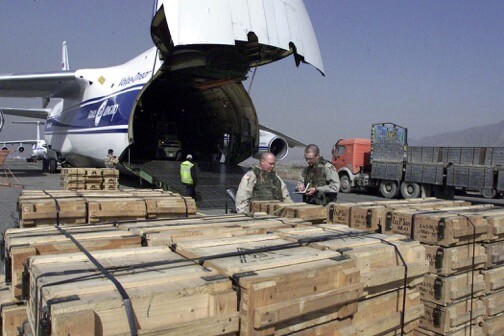
Surplus and Illegal Small Arms, Light Weapons and their Ammunition: the consequences of failing to dispose and safely destroy them
- Brian Wood, Peter Danssaert | 11 augustus 2017
This joint report by IANSA and IPIS documents recent failures in some countries across world regions to properly dispose of and destroy excess small arms and light weapons (SALW), and their ammunition. It illustrates the different ways that excessive, poorly secured, weapons, especially firearms and ammunition, leak out into the hands of abusers and to those unauthorised to trade and use them, and
Annual report 2016
- IPIS | 23 juni 2017
In its 2016 annual report, IPIS gives an overview of its research projects and activities. It covers the four research programmes that IPIS focusses on: natural resources, arms trade, conflict mapping and business and human rights. In 2016, IPIS continued to be a rally point for hard to get data on natural resources, often visualised in maps. Our flagship map for 2016 is the interactive map of art

Optimalisatie van het wapenhandeldecreet en wapenhandelbesluit: advies van IPIS en Amnesty International Vlaanderen
- IPIS | 22 juni 2017
In maart 2012 publiceerden Amnesty International Vlaanderen en IPIS een nota met analyse en aanbevelingen bij het ontwerp van decreet “betreffende de in-, uit-, doorvoer en overbrenging van defensiegerelateerde producten, ander voor militair gebruik dienstig materiaal, ordehandhavingsmateriaal, civiele vuurwapens, onderdelen en munitie”. Het uiteindelijke ‘Wapenhandeldecreet’ van 30 juni 2012 schi
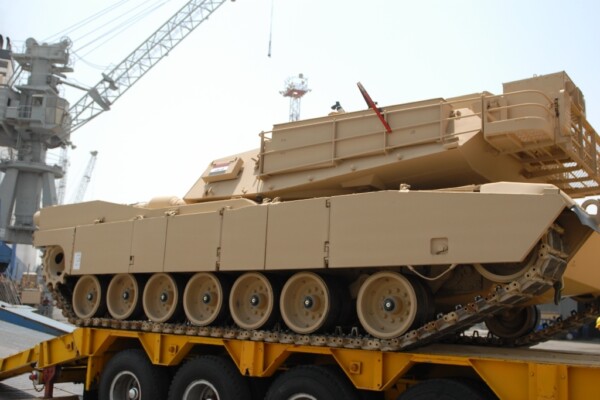
Fatal Freight: Ships, Guns and Human Rights Abuses
- Peter Danssaert, Sergio Finardi | 12 juni 2017
TransArms and IPIS undertook a thorough research of the responsibilities of states and companies involved in the transfer of military equipment by sea under customary international law. The maritime transport is by far the main modality for the transfers of military equipment and commodities. The report considers cases of irresponsible shipments of arms and military commodities to countries with
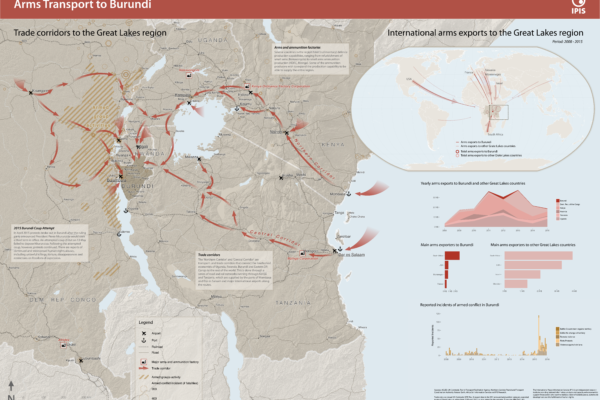
Arms Trade Corridors to Burundi
- IPIS | 5 mei 2017
Burundi has seen a period of unrest following the failed coup d’état by a Burundian general in May 2015. In order to better understand the situation, IPIS drafted a new map entitled ‘Arms transport to Burundi’, which puts the 2015 unrest in the geographical perspective of the Great Lakes region and in the relevant timeframe covering 2008 to 2015. The map highlights two important factors in the rec
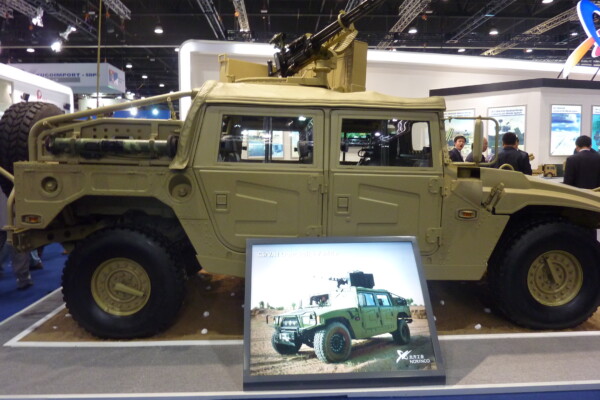
China North Industries Corporation Working paper 2
The International Peace Information Service (IPIS) and the Omega Research Foundation (Omega) have undertaken a comprehensive review of one of China’s largest state-owned companies. Norinco – known formally as China North Industries Group (CNGC) was established in 1999 and it consists of at least 46 member units which then have several subordinate companies, joint ventures and associate companies.

Hotel Hercules
- Don Rogers | 3 februari 2017
Hotel Hercules is the fruit of an encounter and exchange between Sergio Finardi, defence logistics expert and Don Rogers, a flight engineer who operated on aircrafts servicing CIA operations in support of UNITA between 1986 and 1988. Don Rogers shared memories of his flights to UNITA headquarters as a member of secret CIA missions to supply Savimbi’s army from DRC, as well as the humanitarian flig
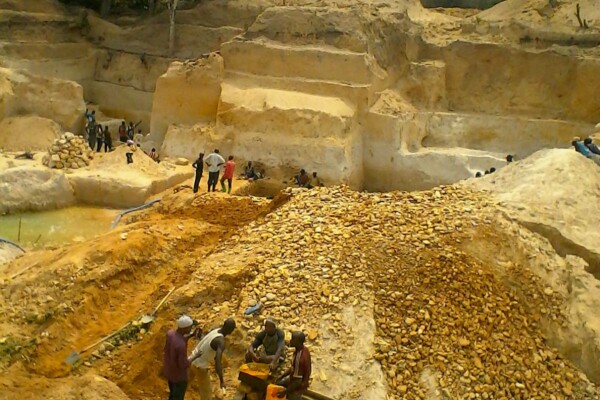
Annual Report 2015
- IPIS | 31 augustus 2016
Download pdf or open with issuu reader http://issuu.com/ipisresearch/docs/2016_10_10_ipis_jaarverslag_2015_20