Onafhankelijk onderzoeksinstituutvoor vrede, duurzame ontwikkeling en mensenrechten.
Laatste publicaties
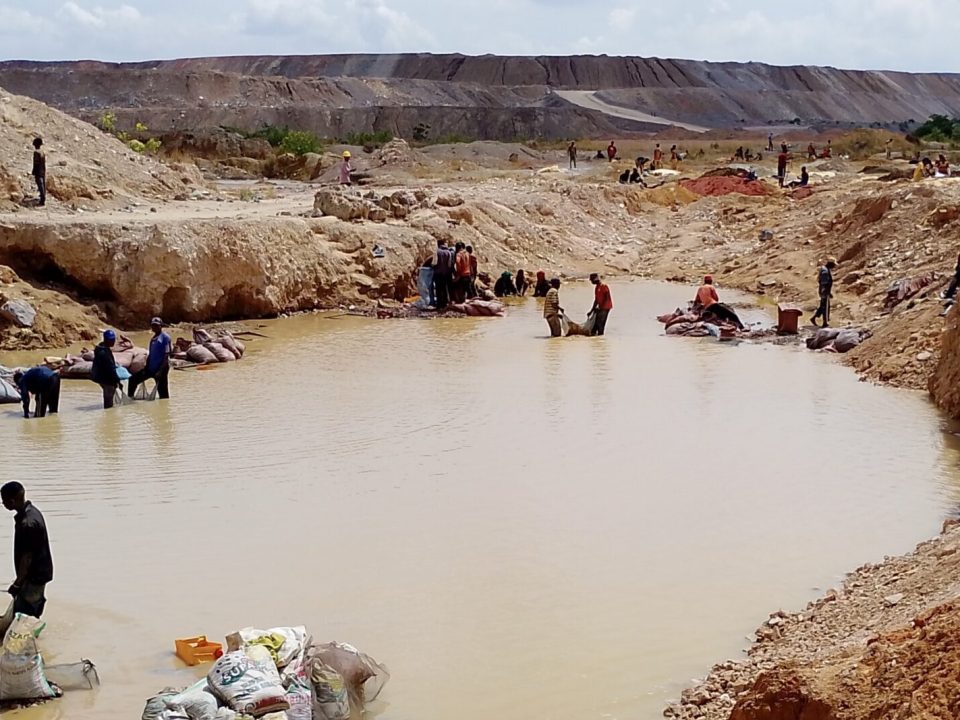
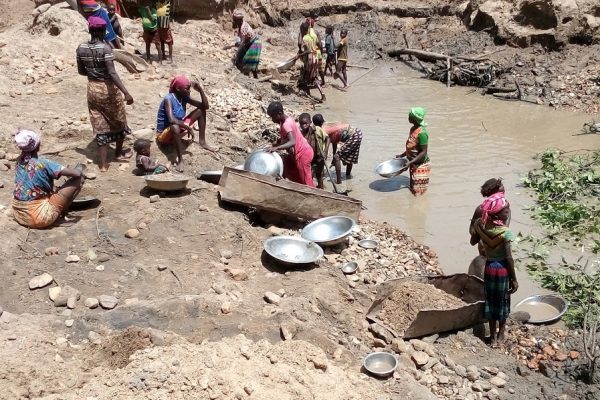
To better understand the copper and cobalt ASM sector and its challenges, IPIS collaborated with the Congolese mining service SAEMAPE and the Kolwezi-based civil society organization IBGDH, to map 51 ASM sites in Lualaba province and interview key mining stakeholders. The study examines production, supply chain actors and trade practices, interference of armed actors and the challenging coexistence of ASM with industrial actors, to identify key obstacles hindering the implementation of the regulatory framework and limiting the sector’s potential for local development.

The mining sector of the Central African Republic is entering a new phase, but its trajectory remains uncertain. A revised mining code, the lifting of the Kimberley Process conflict diamond embargo and a rapidly expanding gold sector may create new opportunities for investment and public revenues. At the same time, CAR’s suspension from the Extractive Industries Transparency Initiative (EITI) exposed gaps in civil society participation, contract disclosure and beneficial ownership transparency. Persistent concerns around conflict, elite capture and mercenary-linked business actors raise further questions about oversight and who ultimately benefits from the country’s mineral wealth. Together, these developments underline the need for greater transparency.
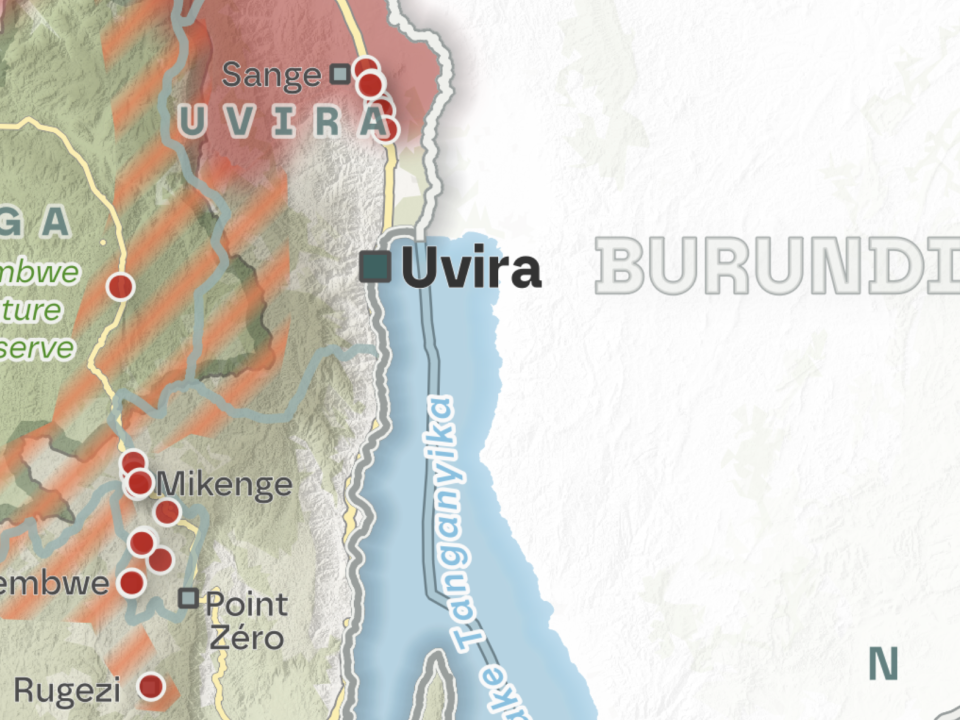
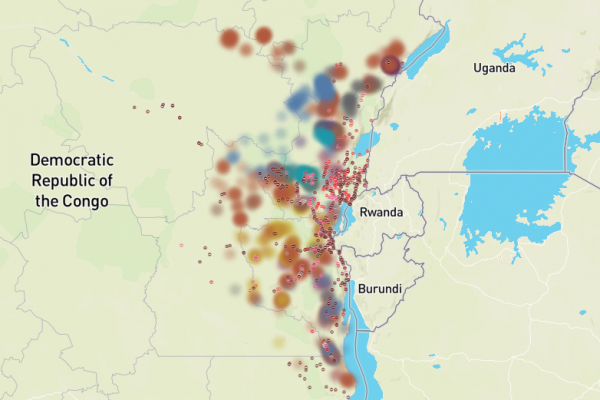
As the conflict in eastern DRC entered its third year of major hostilities between the Rwanda-backed AFC/M23 alliance and the FARDC/Wazalendo coalition, diplomatic efforts continued in early 2026 to advance the peace process. Despite renewed diplomatic momentum and both parties’ stated commitment to the peace processes, the situation on the ground remained marked by continuous violent clashes, shifting frontlines, and sustained civilian suffering. As the conflict continues, both sides are increasingly deploying kamikaze and combat drones in military operations, repeatedly causing civilian casualties. In the first five months of 2026, the number of drone strikes recorded by ACLED (65) already exceeded the total number of strikes in 2025 (56).
Looking back at 2025, we witnessed a year that was defined by escalating conflicts. The AFC/M23’s capture of the provincial capitals of Goma and Bukavu in eastern Democratic Republic of Congo (DRC) in early 2025 directly impacted our team, partners, and activities focused on peace and natural resource governance. The rebel group’s territorial advance and the resulting violence – both with the Congolese army and against civilians – reinforced the need for in-depth analysis. IPIS leveraged its expertise in conflict mapping and mineral resource governance to shed light on the complex interplay between natural resources and conflict. Our research highlighted the diverse drivers of violence and their lasting consequences for peace, providing actionable insights to NGOs, embassies, international agencies, and media outlets.

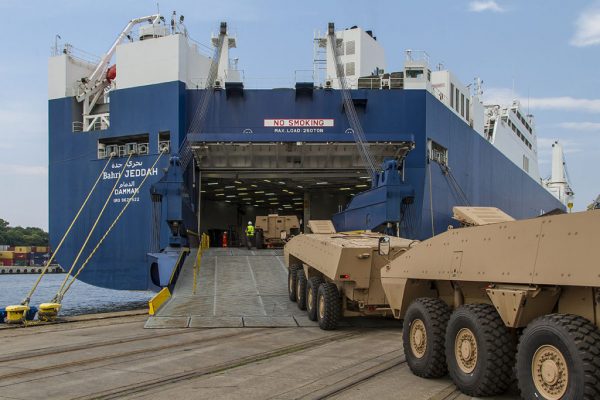
Op 8 mei 2026 gaf de Vlaamse Regering haar definitieve goedkeuring aan het ontwerp van decreet tot regeling van de in-, uit-, doorvoer en overbrenging van militaire goederen, civiele vuurwapens, essentiële onderdelen en munitie (Wapenhandeldecreet) ter vervanging van het Wapenhandeldecreet van 2012. In dit rapport stellen IPIS en Amnesty International Vlaanderen vast dat het ontwerp tekortschiet in het waarborgen van een effectieve controle op de wapenhandel. Het slaagt er op verschillende plaatsen niet in om te verzekeren dat een transfer niet wordt toegestaan als er een duidelijk risico bestaat dat de wapens zullen worden gebruikt om ernstige schendingen van mensenrechten of van het internationaal humanitair recht te plegen of te faciliteren in het land van eindgebruik, of dat de verboden van het VN-Wapenhandelsverdrag worden nageleefd.
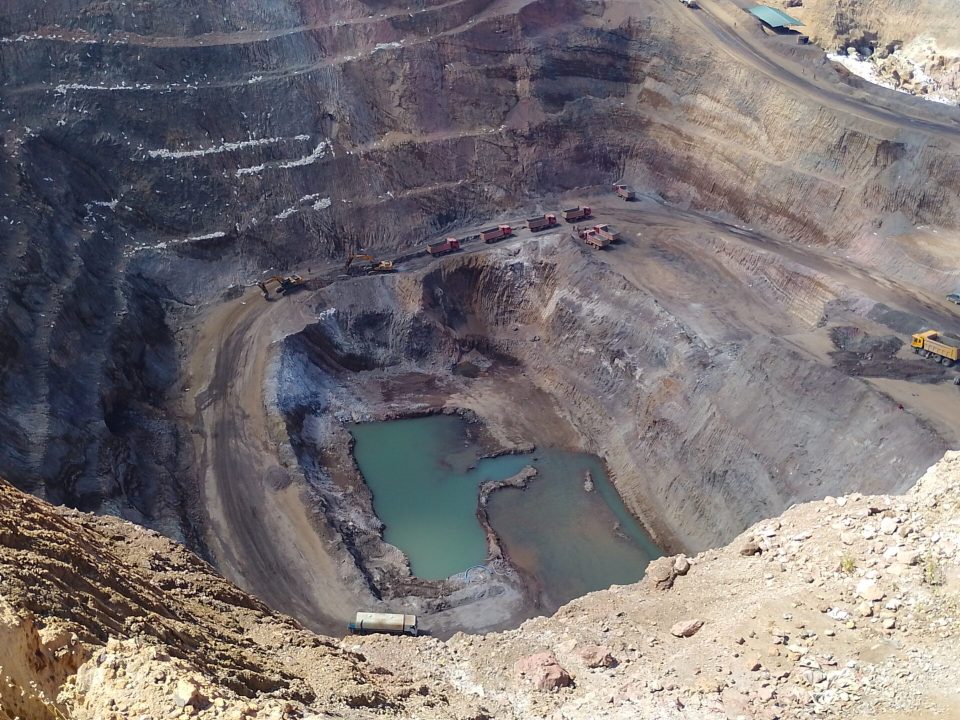
As demand for critical raw materials accelerates, digital traceability has become central to efforts aimed at strengthening responsible sourcing, environmental, social and governance (ESG) oversight, and supply chain resilience. Yet while traceability is increasingly promoted as a key governance tool, important questions remain about its feasibility, scalability and implications for producer countries and artisanal and small-scale mining. This report analyses the rapidly evolving landscape of digital traceability systems for critical mineral value chains.

The prefecture of Boké in the Republic of Guinea is home to the world's largest bauxite reserves. Bauxite is used to produce aluminum, a metal that is essential to the defense, construction, aerospace, and renewable energy industries. Driven by global demand, bauxite mining in Guinea has accelerated significantly since 2015. However, the environmental impact of the mining industry is undermining communities living in and around the mining areas, which depend mainly on fishing, agro-pastoralism, and livestock farming. This report analyses the little-studied effects of bauxite mining on communities living from agro-pastoral and fishing activities in the prefecture of Boké, and more specifically in the sub-prefectures of Sangarédi, Kolaboui, and Kamsar.
Nieuws

Join us on October 12th in Brussels for a panel discussion on the conditions to build responsible and traceable EU critical mineral supply chains that(...)
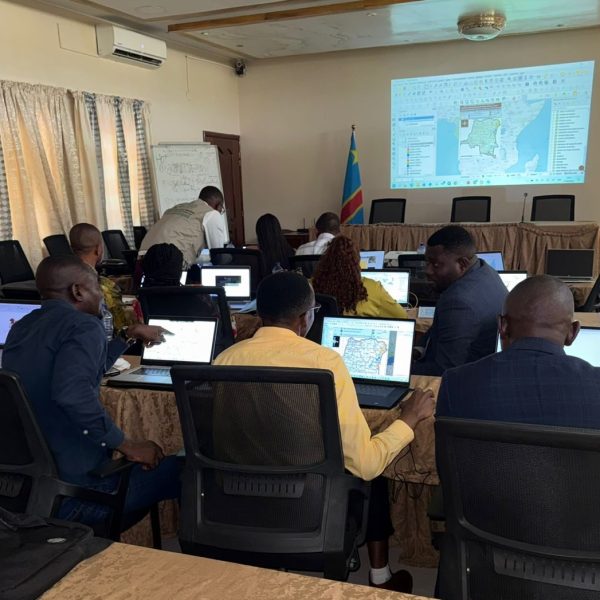
From 30 March to 2 April 2026, SAEMAPE and IPIS jointly organised a technical workshop to build the mapping capacities of staff from SAEMAPE and(...)
Laatste briefing
Schrijf je in voor IPIS updates
Do you want to receive the IPIS briefing with a selection of articles, news and updates on natural resources, armed conflict, business and human rights, and arms trade? The IPIS briefing also includes a topical editorial and related articles, and updates on IPIS’ research findings, new maps, reports and briefings.