Independent research and capacity enhancement for durable peace, sustainable development and human rights
IPIS' latest publications
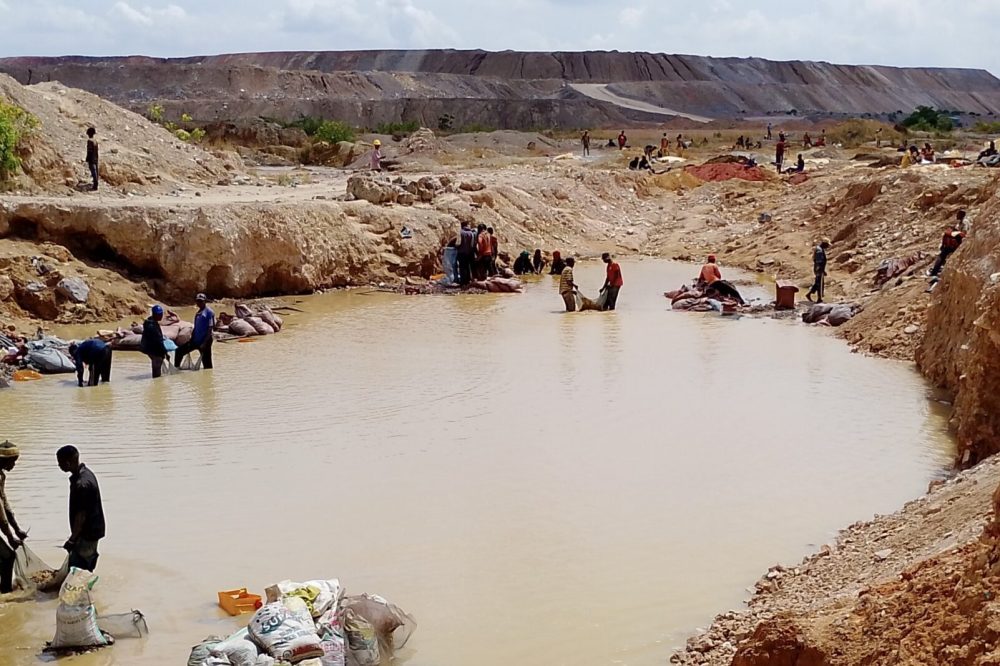
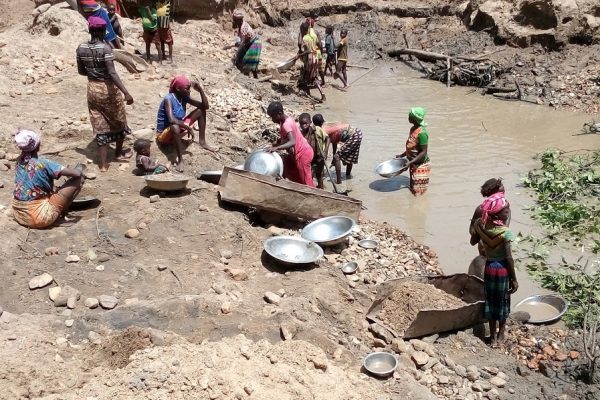
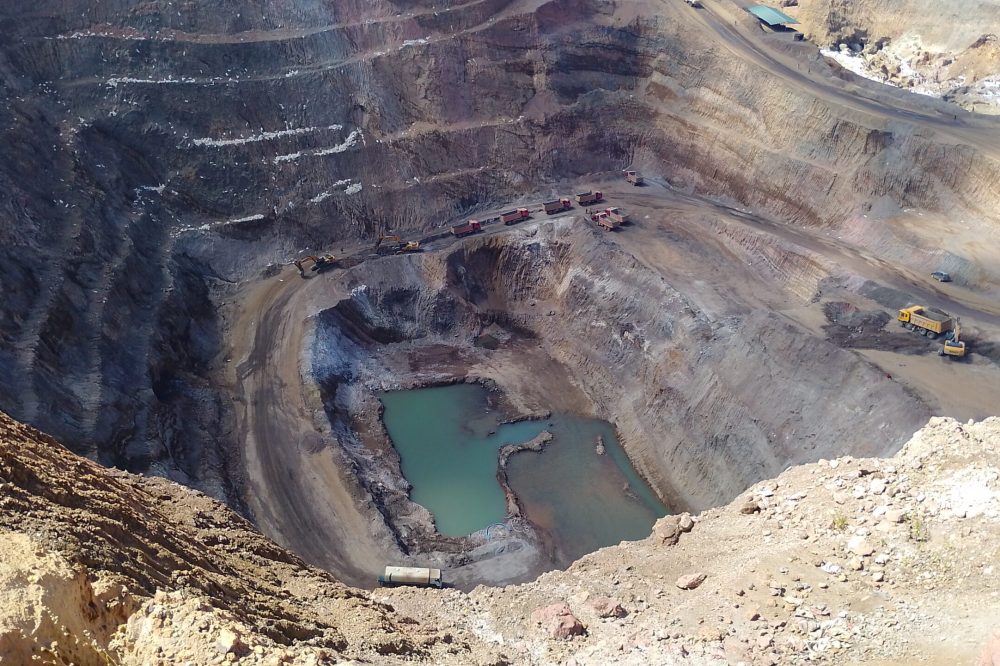
To better understand the copper and cobalt ASM sector and its challenges, IPIS collaborated with the Congolese mining service SAEMAPE and the Kolwezi-based civil society organization IBGDH, to map 51 ASM sites in Lualaba province and interview key mining stakeholders. The study examines production, supply chain actors and trade practices, interference of armed actors and the challenging coexistence of ASM with industrial actors, to identify key obstacles hindering the implementation of the regulatory framework and limiting the sector’s potential for local development.
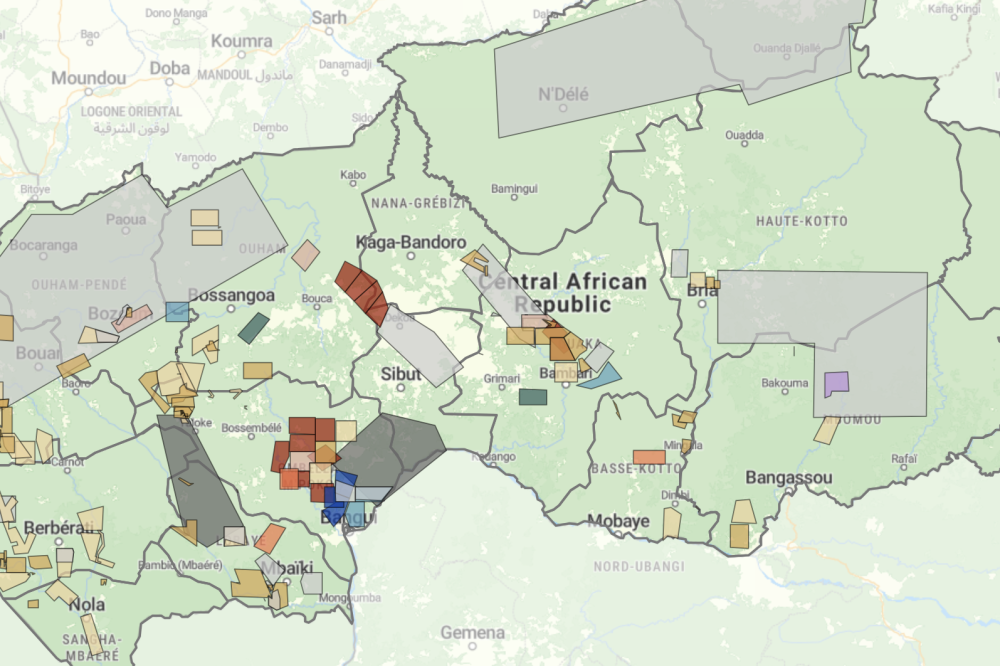
The mining sector of the Central African Republic is entering a new phase, but its trajectory remains uncertain. A revised mining code, the lifting of the Kimberley Process conflict diamond embargo and a rapidly expanding gold sector may create new opportunities for investment and public revenues. At the same time, CAR’s suspension from the Extractive Industries Transparency Initiative (EITI) exposed gaps in civil society participation, contract disclosure and beneficial ownership transparency. Persistent concerns around conflict, elite capture and mercenary-linked business actors raise further questions about oversight and who ultimately benefits from the country’s mineral wealth. Together, these developments underline the need for greater transparency.
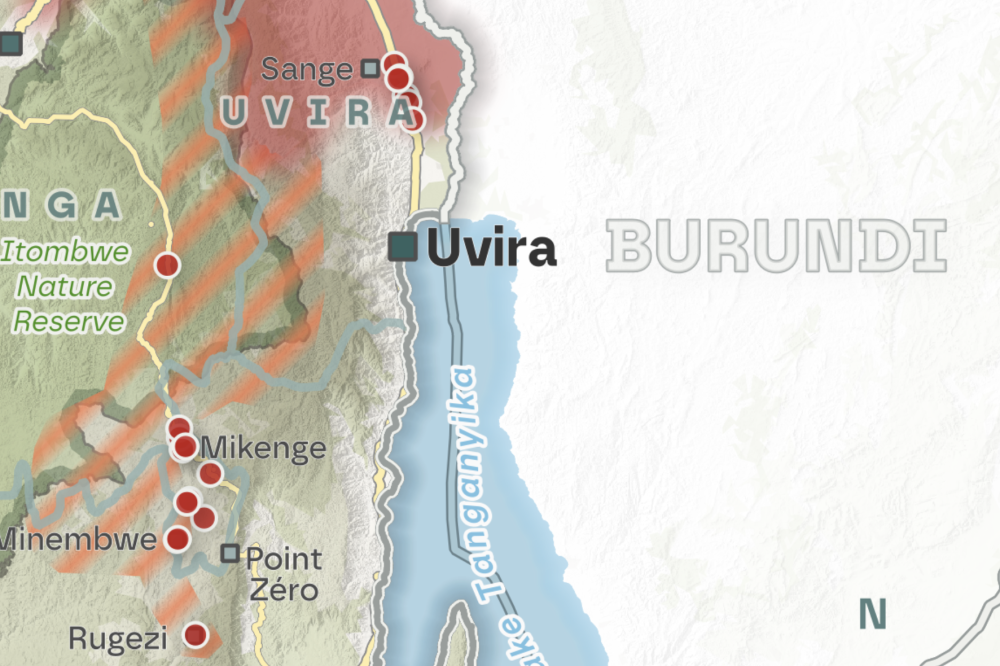
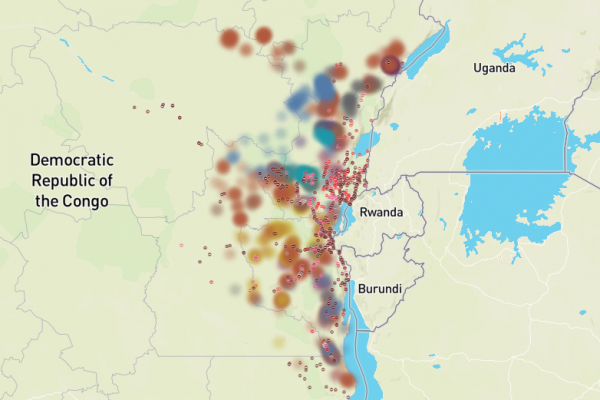
As the conflict in eastern DRC entered its third year of major hostilities between the Rwanda-backed AFC/M23 alliance and the FARDC/Wazalendo coalition, diplomatic efforts continued in early 2026 to advance the peace process. Despite renewed diplomatic momentum and both parties’ stated commitment to the peace processes, the situation on the ground remained marked by continuous violent clashes, shifting frontlines, and sustained civilian suffering.
As the conflict continues, both sides are increasingly deploying kamikaze and combat drones in military operations, repeatedly causing civilian casualties.
In the first five months of 2026, the number of drone strikes recorded by ACLED (65) already exceeded the total number of strikes in 2025 (56).
Looking back at 2025, we witnessed a year that was defined by escalating conflicts. The AFC/M23’s capture of the provincial capitals of Goma and Bukavu in eastern Democratic Republic of Congo (DRC) in early 2025 directly impacted our team, partners, and activities focused on peace and natural resource governance. The rebel group’s territorial advance and the resulting violence – both with the Congolese army and against civilians – reinforced the need for in-depth analysis. IPIS leveraged its expertise in conflict mapping and mineral resource governance to shed light on the complex interplay between natural resources and conflict. Our research highlighted the diverse drivers of violence and their lasting consequences for peace, providing actionable insights to NGOs, embassies, international agencies, and media outlets.

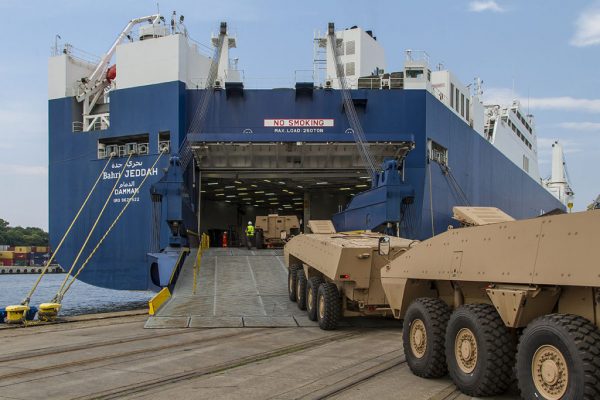
On 8 May 2026, the Flemish Government gave its final approval to the draft decree regulating the import, export, transit and transfer of military goods, civilian firearms, essential components and ammunition (Arms Trade Decree) to replace the Arms Trade Decree of 2012. In this report, IPIS and Amnesty International Flanders conclude that the draft fails to ensure effective control of the arms trade. In several respects, it fails to ensure that a transfer is not authorised if there is a clear risk that the arms will be used to commit or facilitate serious violations of human rights or international humanitarian law in the country of end-use, or that the prohibitions of the UN Arms Trade Treaty are complied with.
As demand for critical raw materials accelerates, digital traceability has become central to efforts aimed at strengthening responsible sourcing, environmental, social and governance (ESG) oversight, and supply chain resilience. Yet while traceability is increasingly promoted as a key governance tool, important questions remain about its feasibility, scalability and implications for producer countries and artisanal and small-scale mining. This report analyses the rapidly evolving landscape of digital traceability systems for critical mineral value chains.

The prefecture of Boké in the Republic of Guinea is home to the world's largest bauxite reserves. Bauxite is used to produce aluminum, a metal that is essential to the defense, construction, aerospace, and renewable energy industries. Driven by global demand, bauxite mining in Guinea has accelerated significantly since 2015. However, the environmental impact of the mining industry is undermining communities living in and around the mining areas, which depend mainly on fishing, agro-pastoralism, and livestock farming. This report analyses the little-studied effects of bauxite mining on communities living from agro-pastoral and fishing activities in the prefecture of Boké, and more specifically in the sub-prefectures of Sangarédi, Kolaboui, and Kamsar.

On January 27, 2025, the Congo River Alliance/March 23 Movement (AFC/M23) – supported by Rwanda – took control of Goma, the capital of North Kivu province in the Democratic Republic of Congo (DRC), and then moved on to Bukavu, the capital of South Kivu, which fell in February 2025. The re-emergence of M23 in 2021 and its rapid advance prompted the Congolese government to resort to non-state armed groups – the so-called Wazalendo - to fight the rebellion, alongside the Armed Forces of the Democratic Republic of Congo (FARDC). Given the problematic attempts to integrate rebels into the army in the past, this strategy could jeopardise current and future peace processes. It also contradicts earlier government commitments to disarmament and demobilisation, namely the new implementation of the Disarmament, Demobilisation, Community Recovery and Stabilisation Programme (P-DDRCS).

Operational since March 2024, Africa’s longest crude oil pipeline, the Niger-Benin Export Pipeline (NBEP), connects the oil fields of Agadem in eastern Niger to the port of Sèmè-Kpodji in southern Benin. like other large-scale infrastructure investments, the NBEP promises to bring significant benefits to both its investors and its host countries. The NBEP project is expected to bring socioeconomic development on both national and local levels, through tax revenue, job creation, employment, and local infrastructure development. To better gauge the NBEP’s role in driving local development, and its potential for alleviating and/or amplifying local grievances and conflict, this paper assesses the socio-economic, environmental and security impacts of the NBEP as lived and perceived by affected persons and communities in northern Benin.

On 4 December 2025, Rwanda and the Democratic Republic of the Congo (DRC) signed the US-brokered Washington Accords for Peace and Prosperity, committing to cease hostilities, establish a permanent ceasefire, and implement the 25 April Declaration of Principles and the 27 June Peace Agreement. However, critical questions have been raised about the prospects for lasting peace in eastern DRC, as Kigali continues to deny its backing of the M23 despite documented UN evidence, and separate peace talks between the Congolese government and the AFC/M23, held in Qatar, have so far stalled following the signing of the Doha Framework of Comprehensive Peace on 15 November.

In the Faradje administrative territory in the northeastern Democratic Republic of Congo’s Haut-Uélé province, more than 5,000 people rely on artisanal gold mining to earn a living and support their families. Many artisanal-mining families have done so for generations. They currently work on sites that now fall largely within mining permits owned by Kibali Goldmines (Kibali), a joint venture of Barrick Mining Corporation, AngloGold Ashanti, and the Congolese parastatal Société minière de Kilo-Moto (SOKIMO). Community members have long criticized the lack of dialogue with both the company and the Congolese authorities.
News

On 12 October 2026, IPIS, in collaboration with Enabel, organised a panel discussion on how to build responsible and traceable EU critical mineral supply chains(...)
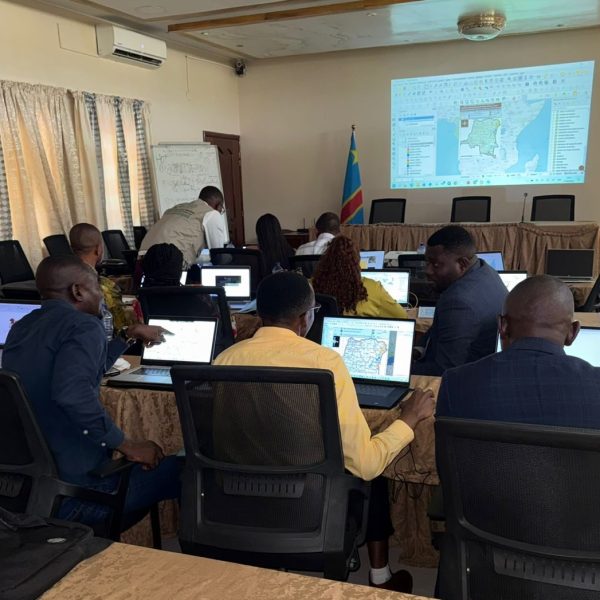
From 30 March to 2 April 2026, SAEMAPE and IPIS jointly organised a technical workshop to build the mapping capacities of staff from SAEMAPE and(...)
Latest briefing
Subscribe to IPIS' updates
Do you want to receive the IPIS briefing with a selection of articles, news and updates on natural resources, armed conflict, business and human rights, and arms trade? The IPIS briefing also includes a topical editorial and related articles, and updates on IPIS’ research findings, new maps, reports and briefings.