
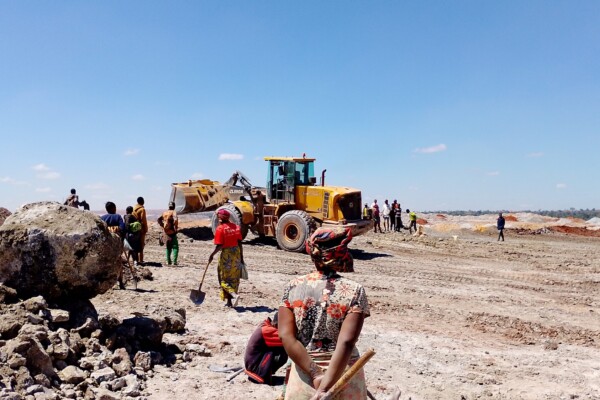
SAVE THE DATE – October 12th – Building responsible and traceable EU critical mineral supply chains that unlock the socio-economic potential of artisanal and small-scale mining
14 septembre 2026Join us on October 12th in Brussels for a panel discussion on the conditions to build responsible and traceable EU critical mineral supply chains that unlock the socio-economic potential of artisanal and small-scale mining.
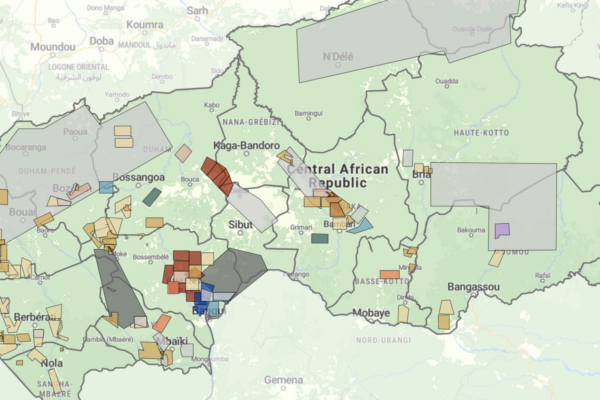
Cartographie des permis d’exploitation minière en République centrafricaine : un nouveau tableau de bord pour favoriser la transparence du secteur extractif
25 juin 2026Le secteur minier de la République centrafricaine entre dans une nouvelle phase, mais son évolution reste incertaine. Un code minier révisé, la levée de l’embargo du Processus de Kimberley sur les diamants de conflit et un secteur aurifère en pleine expansion pourraient créer de nouvelles opportunités d’investissement et de recettes publiques. Dans le même temps, la suspension de la RCA de l’Initi
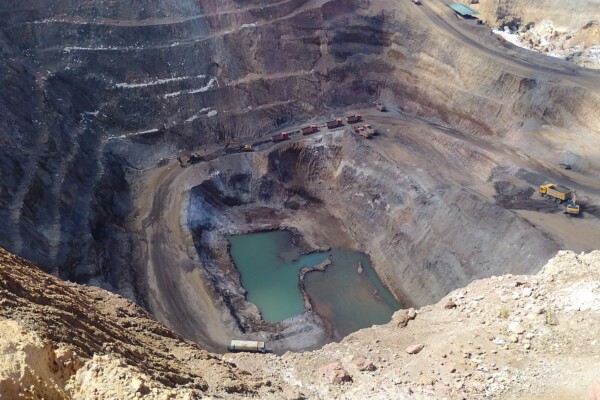
Assessing digital traceability systems for critical mineral value chains: Aligning upstream and downstream agendas
26 mai 2026As demand for critical raw materials accelerates, digital traceability has become central to efforts aimed at strengthening responsible sourcing, environmental, social and governance (ESG) oversight, and supply chain resilience. Yet while traceability is increasingly promoted as a key governance tool, important questions remain about its feasibility, scalability and implications for producer count
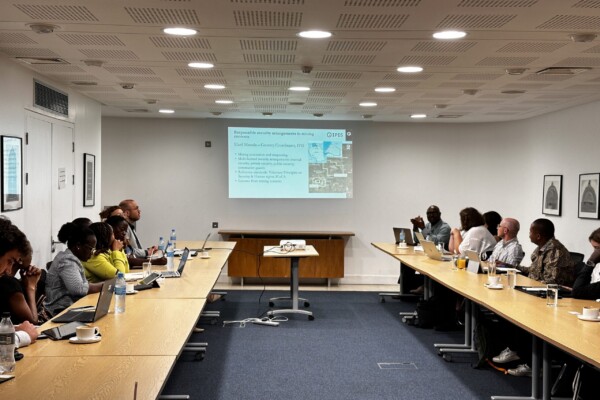
Advancing responsible mining and community rights in Tanzania – Roundtable takeaways
3 avril 2026On 12 March 2026, IPIS, in cooperation with the Belgian Embassy to Tanzania and ENABEL, organized a roundtable discussion at the EU Delegation in Dar es Salaam. The roundtable aimed to explore how Tanzania’s growing (critical) minerals sector can contribute to inclusive development and community rights.
Op-ed: A more strategic raw materials policy is needed, but cynically looking the other way is not the solution
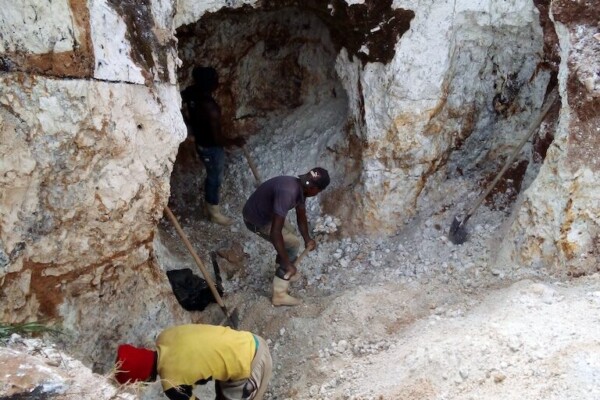
20 novembre 2025In an op-ed in De Morgen, IPIS’ Director Filip Reyniers and Chair Loïc De Cannière respond to Mark Elchardus, who recently argued that it would be “incomprehensible” and an example of “moral blindness” if the EU decided to end its raw materials agreement with Rwanda, in particular when it comes to Rwandese tungsten.
Pourquoi le Processus de Kimberley n’est pas la solution aux défis actuels en matière de gouvernance minière
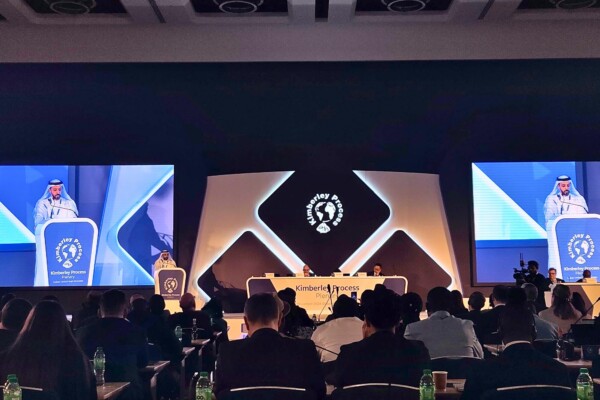
18 novembre 2025Alors qu’on s’inquiète toujours de comment l’exploitation minière est liée aux conflits, aux violations des droits humains, à la contrebande et à la corruption, le Processus de Kimberley (PK) revient sans cesse comme un modèle à suivre. Son approche principale – un système de certification visant à bannir les diamants de conflit, qui représenteraient aujourd’hui moins de 1 % du commerce mondial –