
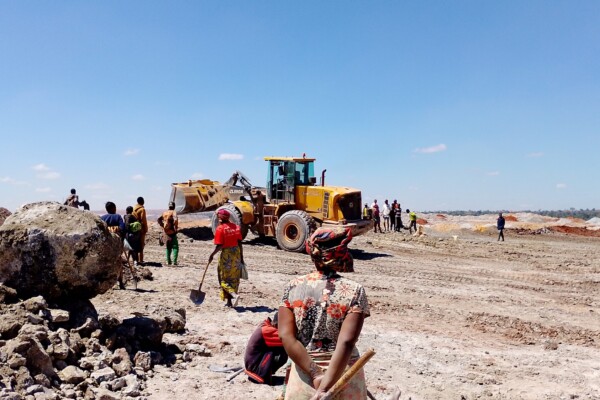
SAVE THE DATE – October 12th – Building responsible and traceable EU critical mineral supply chains that unlock the socio-economic potential of artisanal and small-scale mining
September 14, 2026Join us on October 12th in Brussels for a panel discussion on the conditions to build responsible and traceable EU critical mineral supply chains that unlock the socio-economic potential of artisanal and small-scale mining.
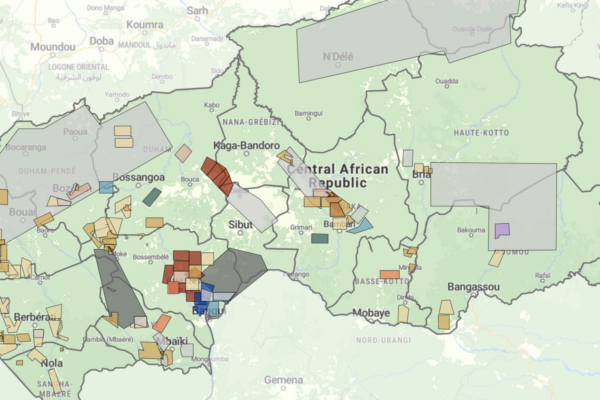
Mapping mining permits in the Central African Republic: A new dashboard to support extractive sector transparency
June 25, 2026The mining sector of the Central African Republic is entering a new phase, but its trajectory remains uncertain. A revised mining code, the lifting of the Kimberley Process conflict diamond embargo and a rapidly expanding gold sector may create new opportunities for investment and public revenues. At the same time, CAR’s suspension from the Extractive Industries Transparency Initiative (EITI) expo
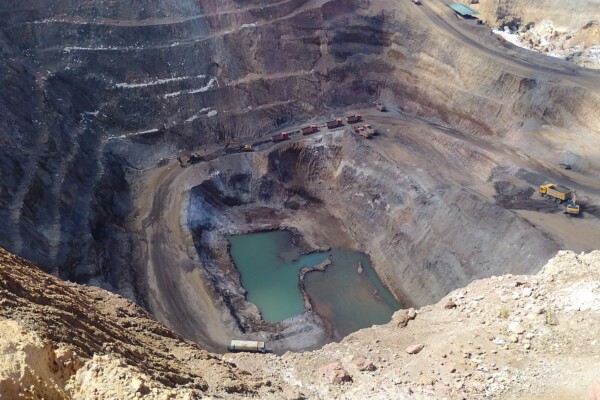
Assessing digital traceability systems for critical mineral value chains: Aligning upstream and downstream agendas
May 26, 2026As demand for critical raw materials accelerates, digital traceability has become central to efforts aimed at strengthening responsible sourcing, environmental, social and governance (ESG) oversight, and supply chain resilience. Yet while traceability is increasingly promoted as a key governance tool, important questions remain about its feasibility, scalability and implications for producer count
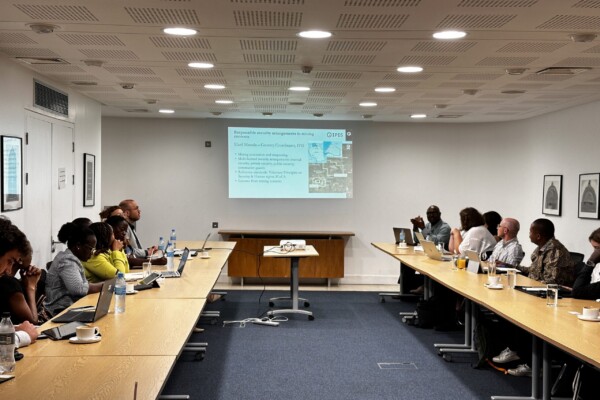
Advancing responsible mining and community rights in Tanzania – Roundtable takeaways
April 3, 2026On 12 March 2026, IPIS, in cooperation with the Belgian Embassy to Tanzania and ENABEL, organized a roundtable discussion at the EU Delegation in Dar es Salaam. The roundtable aimed to explore how Tanzania’s growing (critical) minerals sector can contribute to inclusive development and community rights.
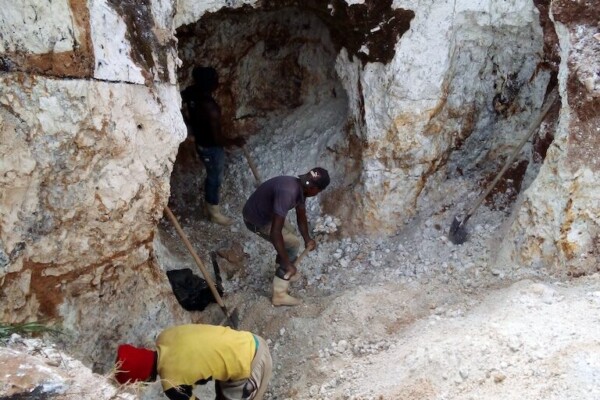
Op-ed: A more strategic raw materials policy is needed, but cynically looking the other way is not the solution
November 20, 2025In an op-ed in De Morgen, IPIS’ Director Filip Reyniers and Chair Loïc De Cannière respond to Mark Elchardus, who recently argued that it would be “incomprehensible” and an example of “moral blindness” if the EU decided to end its raw materials agreement with Rwanda, in particular when it comes to Rwandese tungsten.
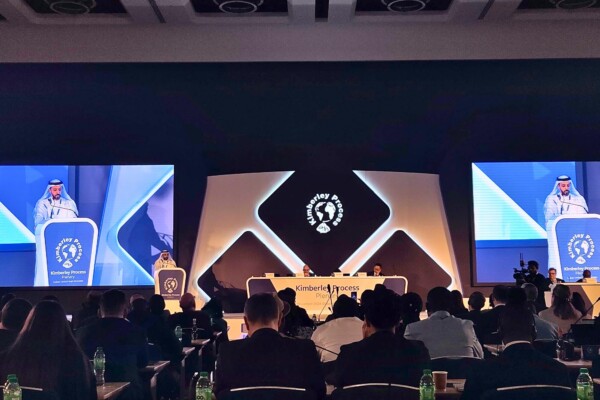
Why the Kimberley Process is not the answer to today’s mineral governance challenges
November 14, 2025Amid persisting concerns over how mineral exploitation is entangled with conflict, human rights abuses, smuggling, and corruption, the Kimberley Process (KP) keeps resurfacing as a go-to model. Its core approach – a certification scheme meant to ban conflict diamonds, which now account for allegedly less than 1% of the global trade – is being held up as an answer to a wide range of mineral-related