
Intensifying geopolitical competition over critical minerals has put supply chain security high on the political and corporate agenda. With the mining of many critical minerals concentrated in a limited number of countries and processing heavily dominated by China, dependencies and the leverage this gives dominant players over global supply chains have become major strategic concerns. Governments and companies are scrambling to secure and diversify supplies, while growing responsible sourcing expectations and due diligence requirements are driving demand for greater transparency. Against this backdrop, digital traceability has become a central focus of efforts to improve supply chain visibility, accountability and resilience.
In a recent study commissioned by GIZ, IPIS and Levin Sources assessed the digital traceability landscape and interviewed stakeholders across critical mineral supply chains to examine key challenges, opportunities and risks. The study highlights how technical capabilities for identifying materials, recording transactions and exchanging data have advanced considerably, through blockchain-based systems, mineral fingerprinting, digital product passports, and collaborative data architecture.
Yet, a central finding is that the main constraints to advancing traceability are less about technology and more about how systems are governed and integrated into broader mineral supply chain governance. Today’s key questions concern what information is needed, for what purposes, how data is used, exchanged and verified, who can access it, and who bears the costs.
Drawing on this research and subsequent IPIS work, this briefing examines the governance challenges that need to be addressed if traceability is to contribute to more responsible and inclusive mineral supply chains.

Connecting downstream requirements with producer-country priorities
While much of the current momentum behind traceability stems from requirements imposed by downstream markets, mineral-producing countries are also investing in data systems to support their own governance priorities.
Zambia offers a good example. Its Mineral Output Statistical Evaluation System (MOSES), developed by the Zambia Revenue Authority with support from UNCTAD, brings together mineral production monitoring and export permitting. Highlighted as a promising approach to improving oversight of mineral flows and revenue collection, the system continues to evolve, with challenges around interoperability, company reporting and data reliability.
Tanzania provides an example of more targeted initiatives found in several mineral-producing countries. As part of efforts to formalise artisanal and small-scale mining (ASM) and improve oversight of mineral trading, its Mining Commission has introduced a digital system for recording transactions at mineral markets and buying centres, including sales volumes, values and government revenues.
Beyond such initiatives, producer countries collect a wealth of relevant data through mining cadastres, production records, customs databases, beneficial ownership registers and Extractive Industries Transparency Initiative (EITI) reporting. Yet, while sourcing companies may know the countries of origin of their minerals, they often lack information on who controls mining assets, what taxes are paid and how materials change hands and are processed. Such gaps hamper responsible sourcing risk management and efforts to strengthen supply chain resilience.
An important reason for this disconnect is that producer-country systems are generally designed to serve domestic governance priorities, with less attention to capturing and sharing data in ways that meet traceability needs further along the supply chain. Equally, many downstream solutions have paid limited attention to integrating and strengthening producer-country data systems or ensuring that the information they generate also serves producer-country needs.
Better connecting these agendas could create value for both sides. If traceability efforts can at the same time support producer country oversight over mineral supply chains and downstream due diligence, they are less likely to be perceived as an externally imposed administrative burden, strengthening the case for their uptake.
Interoperability beyond technical compatibility
Overlapping regulatory requirements, a multitude of responsible sourcing standards and growing concerns about supply chain resilience have driven the proliferation of digital traceability tools and initiatives. The result is a fragmented landscape of commercial software platforms, multi-stakeholder programs and pilots, certification schemes, research and development projects and emerging digital product passport systems.
Given the diversity of critical mineral supply chains, it is generally unrealistic for companies to rely on a single system to follow materials seamlessly from mine to final product. Production structures, physical flows and processing pathways, associated risks and regulatory requirements differ substantially, as do the capacities and information needs of the companies involved.
The challenge is therefore not so much to develop a single platform that meets all needs, but to create an ecosystem in which different systems can communicate and relevant data can be exchanged and reused.
There has been considerable technical progress in recent years, with most systems now designed by default to facilitate data exchange. However, important institutional questions remain. Under what conditions can information and verification from one system be recognised and trusted by others? How can relevant data be exchanged while protecting commercial confidentiality? And who sets the rules governing data access, sharing and use?
These challenges require cooperation and trust between companies, industry associations, and regulators with differing and sometimes competing interests. Amid heightened geopolitical competition, the struggle for control over critical mineral supply chains increasingly extends to the data associated with them. Initiatives such as the UN Transparency Protocol are therefore important to help establish common standards for data exchange, enabling interoperability without concentrating control in a single platform or company. Yet, securing widespread adoption of shared protocols remains challenging, particularly given midstream confidentiality concerns, weak incentives to share data and differing regulatory priorities across jurisdictions.

More traceability does not automatically mean better due diligence
With increasingly sophisticated digital traceability tools, it is important not to lose sight of the fact that more traceability does not automatically lead to more responsible critical mineral supply chains. Traceability is not an end in itself, but a means to improve transparency and support risk-based due diligence. The required evidence and level of detail should therefore reflect the policy goals, relevant risks and characteristics of the supply chain.
This also means prioritising risk management over the pursuit of absolute certainty about every mineral’s origin. In complex supply chains, some uncertainty will inevitably remain. Trying to eliminate it entirely can divert resources from addressing risks, while creating expectations that verification systems cannot realistically meet.
Experience with mineral certification schemes such as the Kimberley Process and the International Tin Supply Chain Initiative (iTSCi) illustrates these risks. Both have faced criticism for providing assurances of responsible sourcing that go beyond what their underlying controls reliably establish. This highlights a broader risk for traceability and certification schemes: where their perceived value depends on providing such assurances, acknowledging vulnerabilities and risks may be perceived as a threat, creating incentives to downplay shortcomings rather than address them transparently.
This can encourage practices that run counter to the logic of the OECD’s risk-based due diligence framework, under which identifying risks and demonstrating how they are progressively addressed should be seen as evidence of functioning due diligence, rather than a failure of traceability.
The risks of excessive traceability requirements for ASM
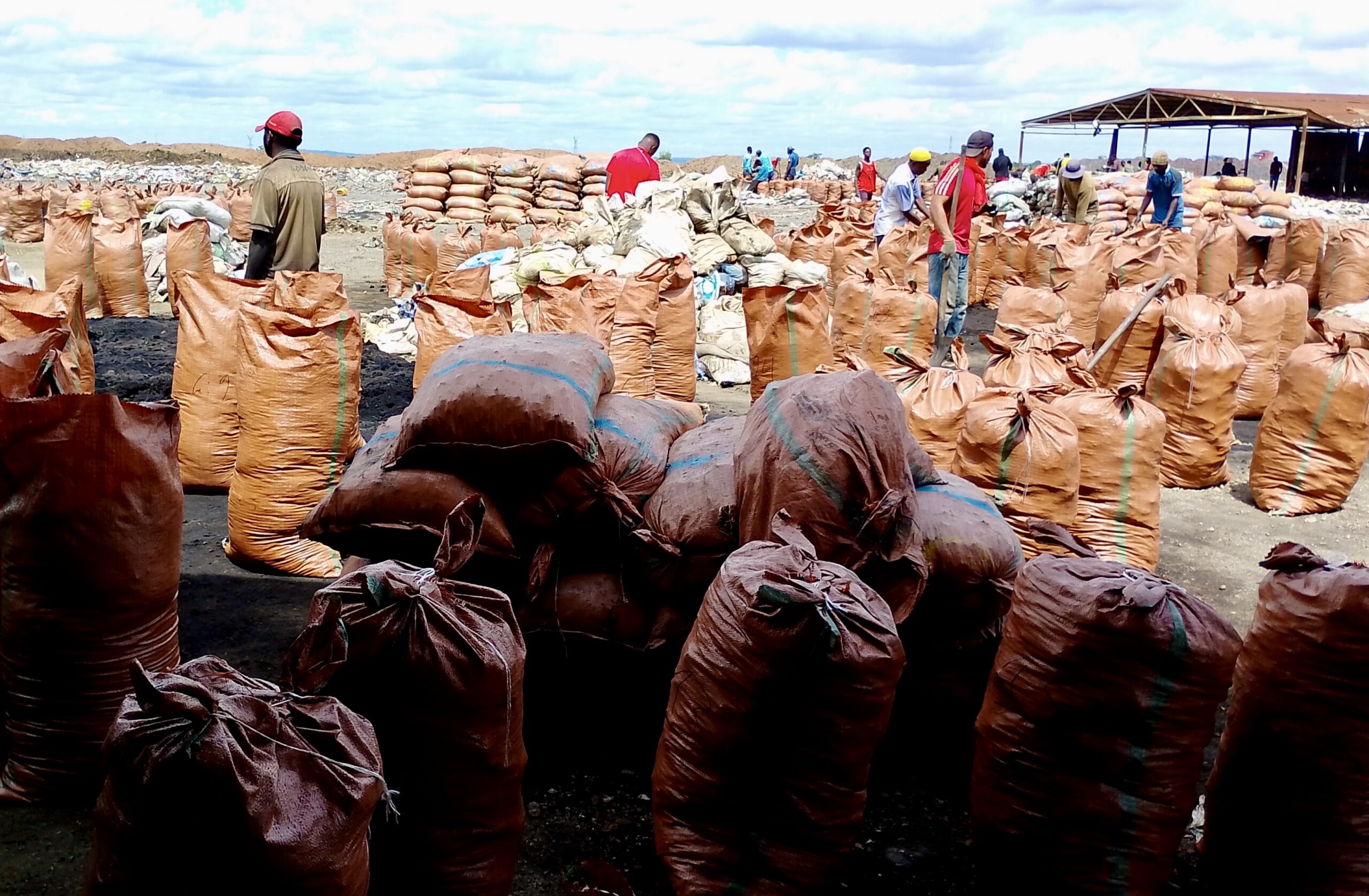
The need for a pragmatic, risk-based approach is particularly evident for the artisanal and small-scale mining sector. In many ASM supply chains, production is dispersed, transactions are partly informal, and minerals pass through several intermediaries before entering more structured processing and trading networks. Reliable information on the precise origin of materials is therefore often unavailable.
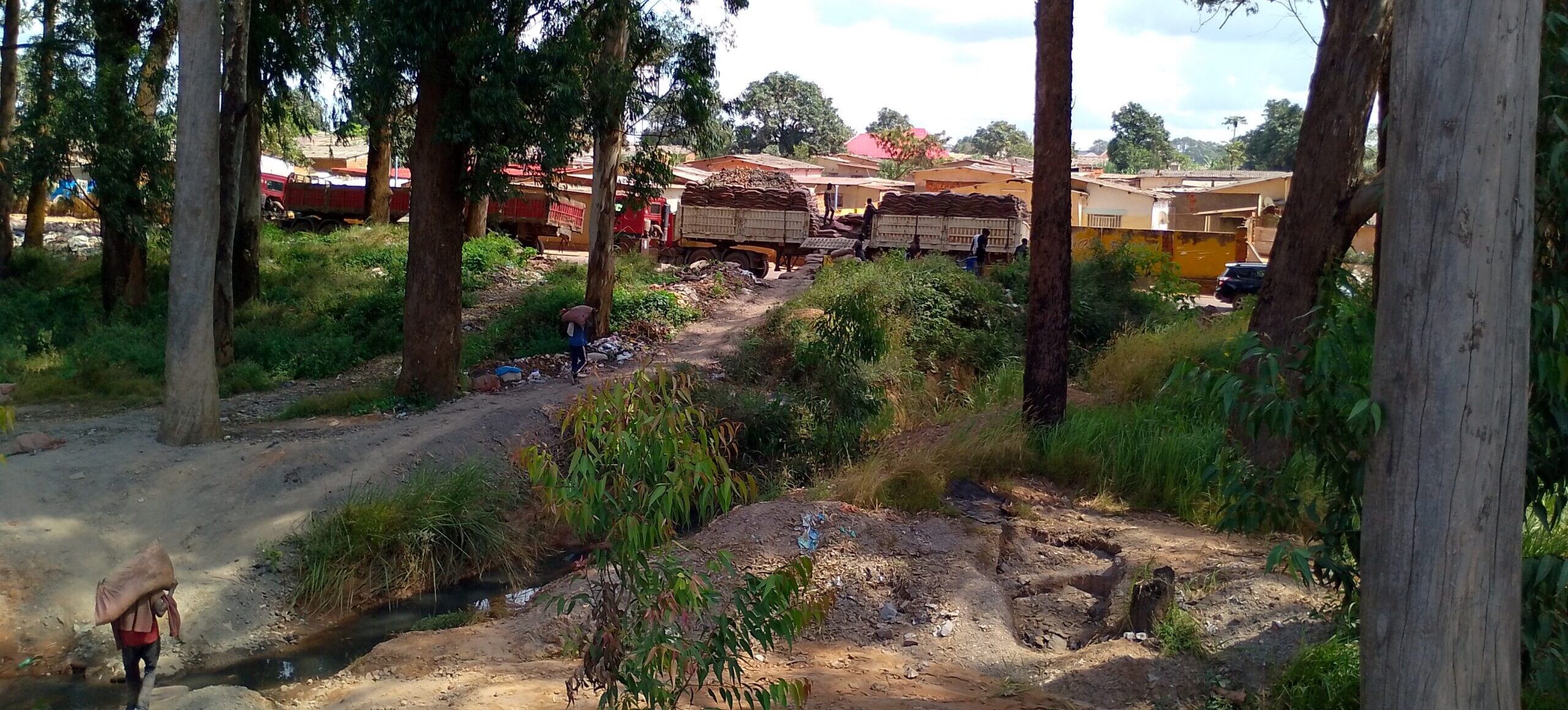
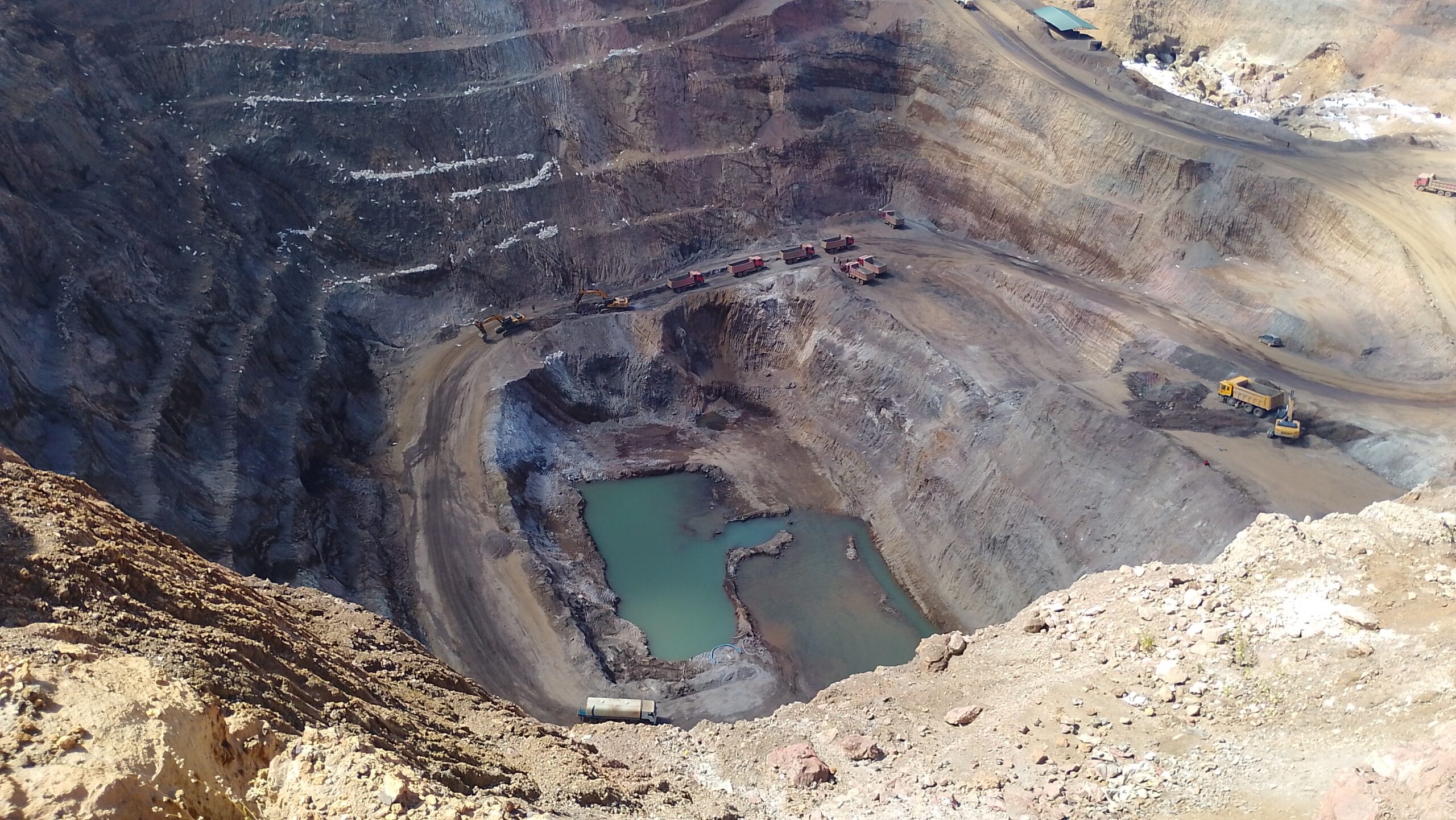
IPIS’s recent research on artisanal copper and cobalt mining in the Democratic Republic of Congo’s Lualaba province illustrates these challenges. Artisanal miners have limited access to viable legal mining areas, formal structures such as cooperatives and trading centres are often captured by elites or foreign investors for their own benefit, and the mixing of minerals from artisanal and industrial sources before or at processing facilities remains common.
In such circumstances, requiring sophisticated mine-level digital traceability as a condition for market access risks excluding ASM production altogether. Yet, exclusion does not make the associated risks disappear. Instead, minerals are diverted into less visible trading channels, only to re-enter global supply chains through intermediaries and aggregation further downstream. The result is then less visibility over ASM production, rather than more effective risk management, even for companies seeking to avoid sourcing from it.
A more pragmatic approach would start at points where information can be captured and checked relatively efficiently and reliably, such as local trading centres or processing hubs. From there, information gaps can be addressed progressively by strengthening transaction records, supplier mapping and verification further upstream, while building wherever possible on existing systems and structures. This does not necessarily require sophisticated technology from the outset. In many ASM contexts, basic transaction records and simple mobile reporting tools can provide a useful starting point, with more advanced solutions, including blockchain-based systems, introduced as capacities evolve.
Equally important are incentives for ASM actors to participate. If formalisation and traceability only bring additional costs and paperwork, uptake will remain limited. Participation should also offer tangible benefits, such as better access to markets and finance, technical assistance, more stable commercial relationships, social protection of workers and development opportunities for the wider community. This also requires downstream buyers, including European companies, to engage with ASM rather than avoid it because of perceived compliance and reputational risks.
Ultimately, traceability should support broader efforts to formalise production and trading, rather than become another barrier to ASM participation in responsible supply chains.
From data collection to credible verification
The credibility of traceability depends first and foremost on the quality of the information entering the system. Even the most sophisticated technology cannot guarantee the accuracy of source data. This requires investing in the capacities of local authorities, cooperatives, traders and other actors responsible for collecting and recording information.
At the same time, as systems scale, it becomes unrealistic to verify every transaction and data point across the supply chain. Credible verification therefore requires transparent, risk-based choices about what information is checked, by whom, how frequently, against which evidence, and how identified discrepancies are addressed.
Cross-checking traceability data against independent sources can help identify inconsistencies and guide verification efforts. For example, reported mineral purchases can be checked against mining licenses and production records, export declarations compared with customs data, and beneficial ownership registers used to identify structures of control that are not apparent from transaction records alone. This underscores the importance of initiatives such as the EITI in improving access to public data that can support independent verification.
Such cross-checks can increasingly be automated, with AI offering further possibilities to compare datasets, identify inconsistencies and flag transactions for closer scrutiny. However, automated analysis cannot replace field-level human verification, particularly where records are incomplete, informal practices are common, or understanding discrepancies requires local context.
The most useful traceability systems may therefore not be those that collect the largest amounts of data, but those that can connect different information sources and direct limited verification resources where they are most needed.
Who pays for traceability, and who benefits?
The long-term viability of traceability also depends on how its costs and benefits are distributed across supply chains. Yet, despite the broad demand for better traceability, there is considerably less agreement on who should pay for it.
A recurring imbalance is that downstream actors capture much of the value through regulatory compliance, risk management and reputational protection, while a significant share of the costs of collecting, verifying and providing information falls on upstream producers and suppliers.
Expecting price premiums for traceable minerals to cover these expenses is unlikely to be realistic or sustainable on its own. Greater downstream contributions to implementation costs, alongside public or blended financing for shared infrastructure, will therefore be important.
Beyond financing, participation also needs to offer practical commercial and administrative benefits, particularly for smaller upstream and midstream actors. Downstream buyers can offer longer-term commercial relationships or preferred supplier status, while regulators and assurance schemes can reduce overlapping audit requirements by recognising data and verification from other systems. Such measures can help ensure that participation creates practical value for the actors expected to generate and share data, rather than simply adding to their compliance burdens.
Towards more effective and inclusive mineral traceability
Technological innovation will continue to play an important role in advancing critical mineral traceability. However, the measure of success should not be the sophistication of the technology, but whether it helps address real supply chain risks and contributes to more responsible and resilient mineral supply chains.
This calls for an approach in which technological innovation goes hand in hand with stronger governance, greater interoperability between systems and cooperation among supply chain actors, while reflecting the priorities of both producer countries and downstream markets. Ultimately, traceability should support broader efforts to improve mineral governance and economic participation, ensuring that smaller supply chain actors, including artisanal and small-scale miners, are not excluded from responsible supply chains by requirements they cannot realistically meet.
Further reading


This briefing was produced with the financial assistance of the European Union. The contents of the editorial are the sole responsibility of IPIS and can under no circumstances be regarded as reflecting the position of the European Union.