
Publications
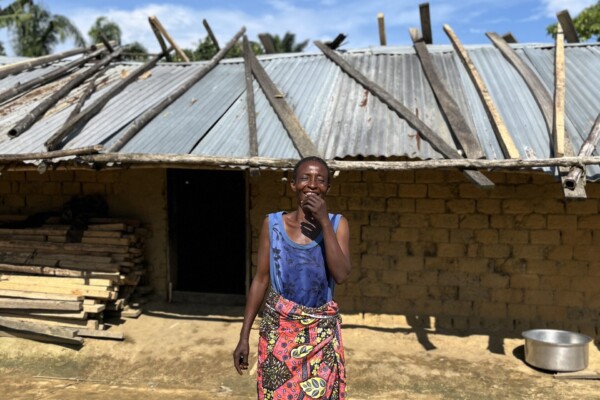
Unconditional Cash Transfers (UCT) in the DRC: Midline results of a pilot study in an artisanal mining zone in Maniema province
- Erik Gobbers, Thomas Muller | June 19, 2023
In October 2021, the Belgian non-profit organization Eight World, started a pilot project of Unconditional Cash Transfers (UCT) in a village in an artisanal mining zone in the territory of Pangi, in Maniema Province, in the Democratic Republic of Congo (DRC). Eight World transfers cash directly to individual beneficiaries via a mobile money system. Each adult living in the UCT village receives 20
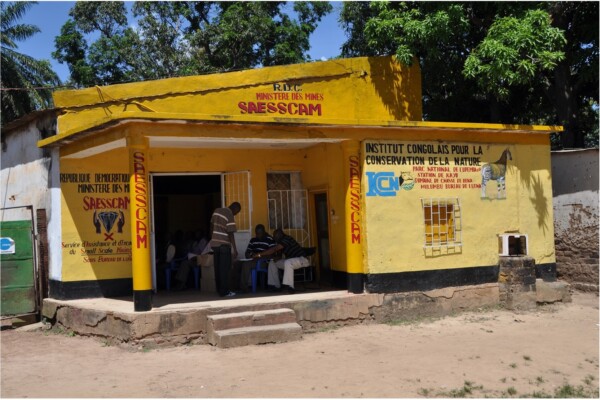
Taxes and levies in the artisanal mining sites of South Kivu and Ituri: How much does an artisanal miner pay?
- Guillaume de Brier, Jean-Paul Lonema (IMPACT), Thomas Muller | April 14, 2023
This report is the result of a large-scale field study on taxation in the artisanal mining sector in the eastern Congolese provinces of Ituri and South Kivu. The main finding is that current regulations and practices in the field not only cause mineral smuggling, which leaves some of the sector’s fiscal potential untapped at the provincial and national levels, but also constitute a source of insec
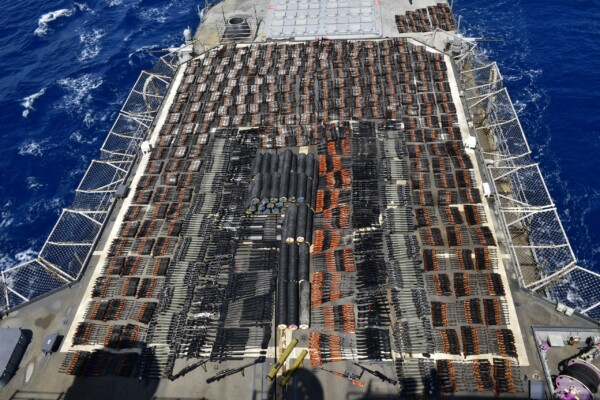
A human rights perspective on arms export licencing and access to information
- Hans Lammerant (Vredesactie) | February 6, 2023
Arms export licensing has long been dominated by two rationales: an interstate perspective and intrastate perspective. In the former arms licensing enables trust-building between nations while the latter increases government accountability. A human rights perspective is overdue in arms export licensing. Victims and their defenders should be able to pursue effective remedy when harm is in
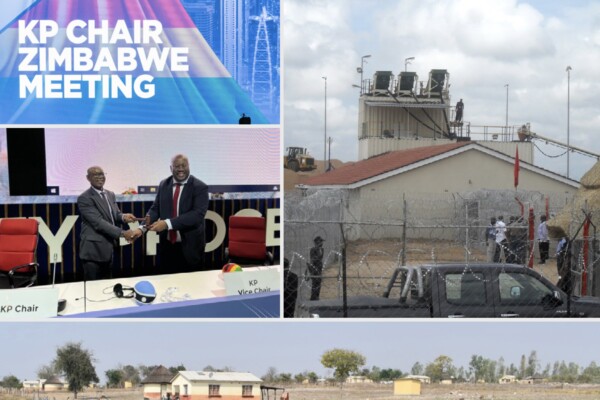
From laggard to leader? Zimbabwe’s turbulent diamond history
- Hans Merket, Jonatan Weenink | January 31, 2023
This IPIS Insight provides background and context to Zimbabwe’s current Kimberley Process chairmanship, both historically and in light of whether it might present opportunities for government and corporate actors in the country to exorcise their demons.
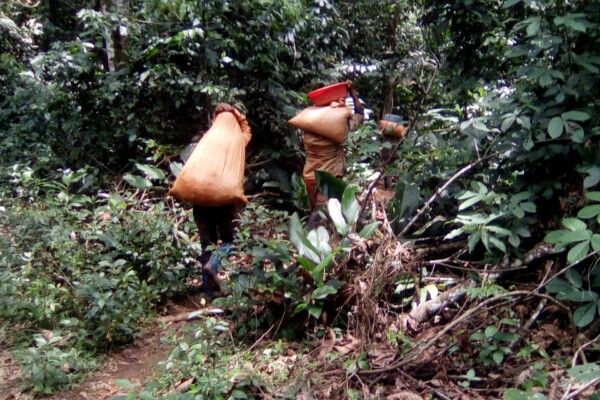
Armed conflict, insecurity, and mining in eastern DRC: reflections on the nexus between natural resources and armed conflict
- Erik Gobbers, Ken Matthysen | December 7, 2022
This report offers a new framework for looking at the eastern Congo conflict, one within which new evolutions of the past twenty years find a place. Indeed, violent conflict in eastern Congo has changed dramatically in all its aspects over the past two decades. Yet too often policymakers and observers appear to assume that we are dealing with a proxy war orchestrated from the DRC’s eastern neighbo
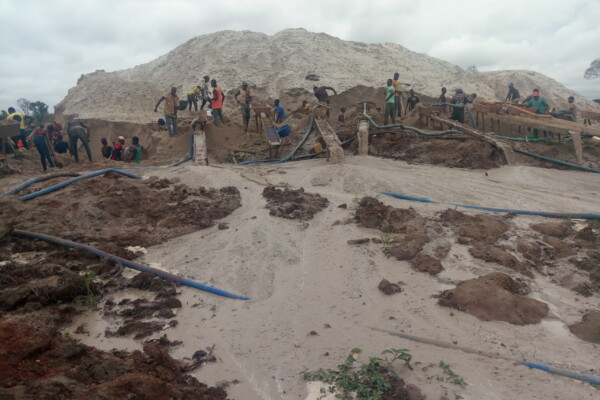
Analysis of the interactive map of artisanal mining areas in eastern Democratic Republic of Congo – 2022 update
- Ken Matthysen, Ntakobajira Zacharie Bulakali, Thomas Muller | November 29, 2022
In eastern Democratic Republic of Congo (DRC), the artisanal and small-scale mining (ASM) sector plays an important role in the local economy. While large-scale armed conflict over DRC’s mineral wealth has decreased significantly over the past twenty years, armed actors continuously interfere in the mining sector, and conflicts over resources at the local level are still common. Based on new minin
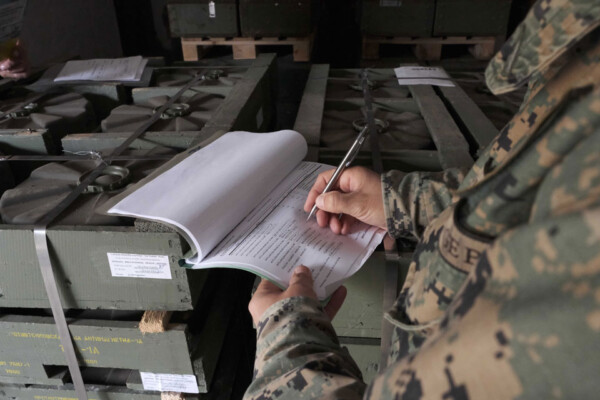
Post-shipment control of small arms and light weapons
- Markus Fahlbusch, Peter Danssaert | October 24, 2022
The illicit trade of small arms and light weapons (SALW) and their ammunition, parts and components remains a serious international problem in many States. To prevent the illicit trade in conventional weapons and to prevent their diversion to the illicit market, all States have made commitments since 2001 to establish stronger systems that will ensure responsible control of arms transfers. A coher
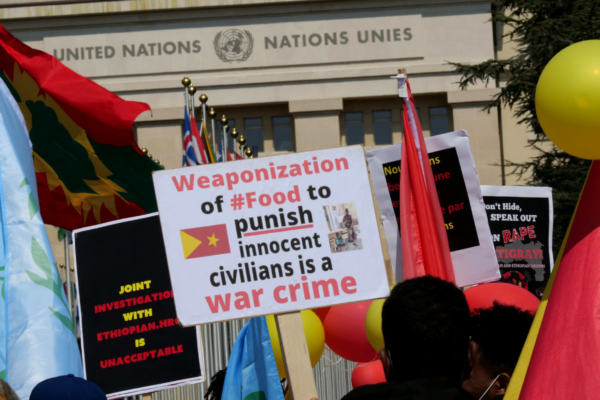
Famine as weapon of war – A timeline of the Tigray conflict
-
| October 19, 2022
In May 2021 CNN reported that Eritrean troops in coordination with the Ethiopian military were blocking aid deliveries to parts of Tigray not under Ethiopian government control. In an exclusive interview with Reuters a senior UN official alleged that starvation was being used as a weapon of war. U.N. humanitarian coordinator Mark Lowcock told Reuters that Eritrean forces were “trying to deal with
The European Regulation on Responsible Mineral Sourcing: what are the lessons learned so far?
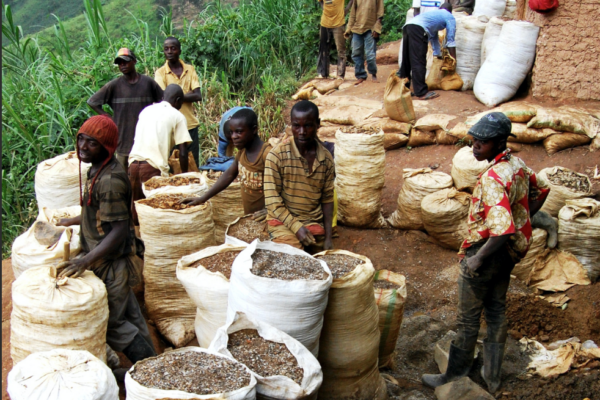
The 1st of January 2021 marked the entry into force of the European Regulation on Responsible Sourcing of tin, tungsten tantalum and gold (3TG) from conflict-affected and high-risk areas (EU CMR or Regulation). The objective of the Regulation is to oblige European companies to carry out due diligence checks on their suppliers up-to the middle of the supply chain in order to minimize and manage the
Matokeo – Data collection on ASM in eastern DRC
- Alexandre Jaillon, Ulula | September 27, 2022
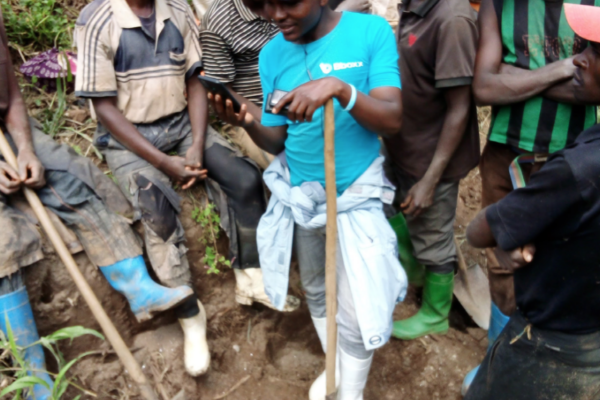
‘Matokeo’ (meaning ‘impact’ in Swahili) is a data-driven platform operating in the Democratic Republic of Congo (DRC) with the ability to reach last mile artisanal miners, enabling them to ping the latest international price of gold. Conceptualized by Ulula and the International Peace Information Service (IPIS), the project won a Conservation X grant in October 2020 for its ability to remotely col
Responsible mining scorecard in eastern DRC
-
| August 31, 2022
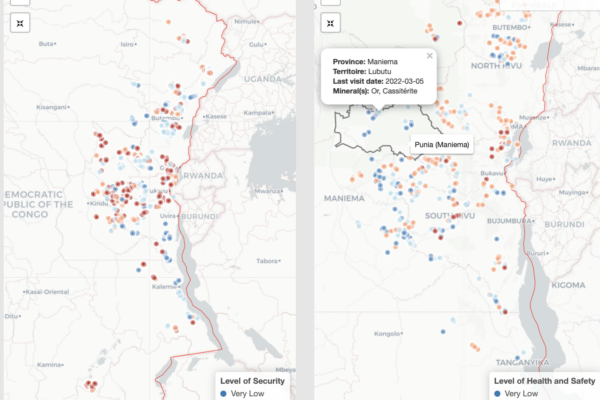
Over the years, IPIS has systematically collected mine site and trade hub level data on artisanal and small-scale mining (ASM) in eastern DRC. This data collection has enabled IPIS to generate a sizable database of more than 3,000 ASM sites that draws both on sites visited by IPIS and data from third party sources including the Congolese mining cadastre and the Mini
Annual Report 2021
- IPIS | July 13, 2022
2021 has proven to be a fundamental year for IPIS. In the background of the global health crisis and its various impacts on partner organisations and multilateral frameworks, IPIS continued to fulfill its role in investigating armed conflict and human rights violations, addressing business practices, and being present in networks and platforms with information and advice. This annual report gives
Maps of artisanal and small-scale mining in eastern DRC
-
| July 4, 2022
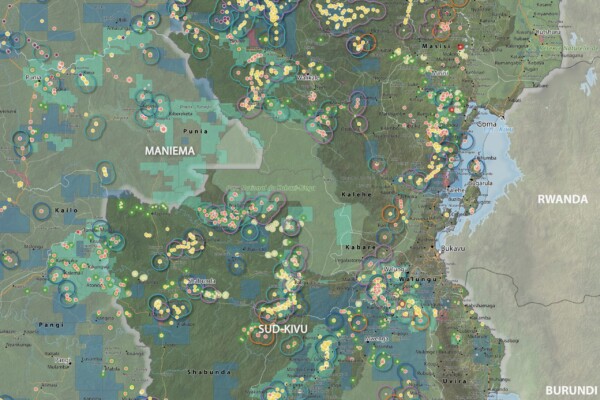
IPIS has created large format maps of known past and present ASM sites in eastern DRC. These A0 maps cover the provinces of Haut Uele, Maniema, Ituri and North and South Kivu. Each map details the type of minerals, the qualification status by official authorities, the mining titles and provide with an overview of armed presence in and around the mines as reported during field visits conducted by I

Children shooting children
- IANSA | June 1, 2022
This paper aims to explain how small arms and light weapons (SALW) proliferation leads to extreme violence by children using guns against other children, a shocking indictment on the failure of governments to ensure strict control of such weapons. The paper will draw on examples from different countries where such incidents have occurred. It will focus on cases relating to school shootings, child
Small arms and light weapons proliferation and violence: Estimating its scale and forms
- Peter Danssaert | June 1, 2022
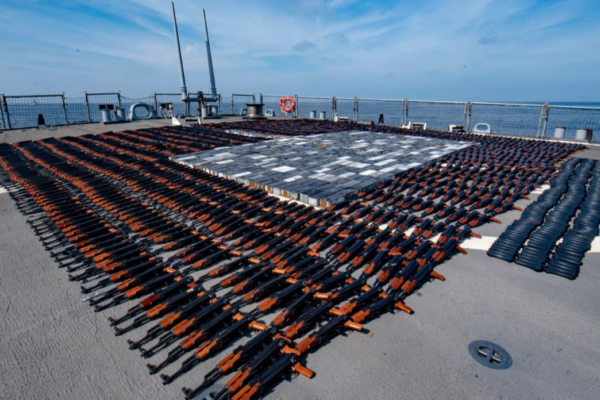
aSmall arms and light weapons are widely available and easy to use, so they are the most prominent tools in contemporary armed conflicts as well as in armed criminal and interpersonal violence in non-conflict settings. To grasp the global scale of SALW proliferation and the patterns of violence committed with SALW, this briefing paper summarizes the available data which is considered reliable from

Russia’s invasion of Ukraine and arms transfers in the framework of international law
- Brian Wood, Peter Danssaert | April 11, 2022
The international crisis and threat to world peace presented by the massive Russian invasion of Ukraine in early 2022 has thrown up difficult questions, not least of which is how the international community can assist the Ukrainian armed forces defend the country’s sovereignty and territorial integrity. In doing so, it is tempting to think of the situation only in military terms, leaving aside wha
Russian diamonds and the war in Ukraine
- IPIS | April 4, 2022
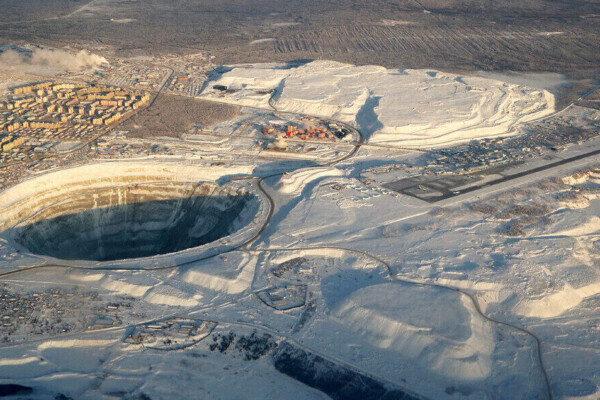
In this Insight, IPIS provides background and analysis on several aspects of the Russian diamond sector, what links it has to Russia’s invasion of Ukraine, and how the international business and political community is seeking an adequate response to the challenges this raises. The Russian invasion of Ukraine, that started on 24 February 2022, has led to international outrage. Russia’s targe
Grassroots research on local diamond mining impact
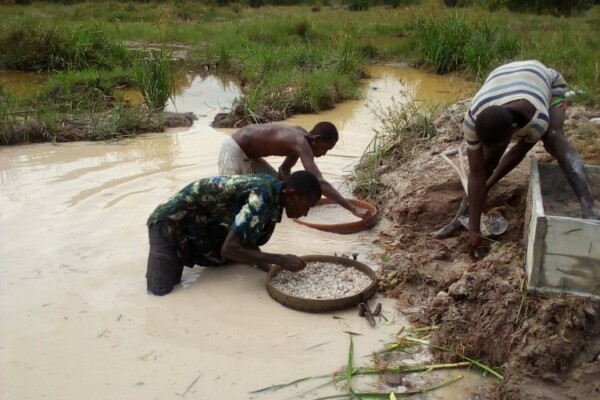
During 2021, IPIS supported members of the Kimberley Process Civil Society Coalition (KP CSC) in a series of grassroots studies on the human rights, socio-economic and environmental impact of diamond mining in eight African countries. IPIS provided online trainings on field survey methodology as well as editorial support to ten civil society organisations who carried out independent field res
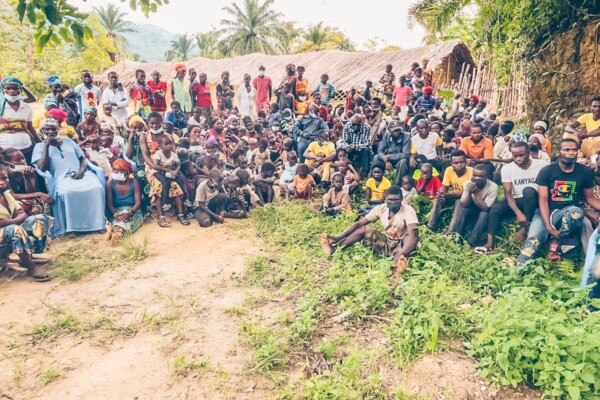
Unconditional cash transfers in the DRC: A comparative baseline study in an artisanal mining zone in Maniema Province
- Erik Gobbers, Thomas Muller | March 1, 2022
A controlled impact study will be conducted by IPIS to evaluate the net effects of Unconditional Cash Transfers (UCT) on the socio-economic well-being of recipients. A controlled study approach allows potential effects of the intervention to be assessed by monitoring specific indicators in the group of people receiving cash transfers (inhabitants of the UCT village), in comparison with a comparabl
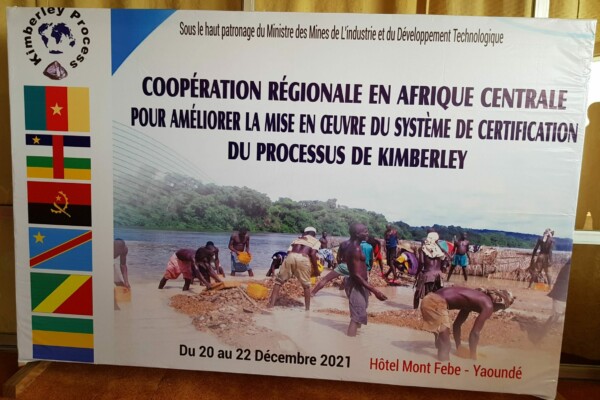
Report of high-level workshop on the fight against fraud and smuggling of rough diamonds in Central Africa
- Didier Verbruggen, Mieke Thierens | February 14, 2022
Regional Cooperation to Enhance the Implementation of the Kimberley Process in Central Africa In December 2021, the Working Group on Artisanal and Alluvial Production (WGAAP) of the Kimberley Process (KP) and the Cameroonian government hosted the second Central African regional cooperation workshop in Yaoundé to build understanding, share experiences and formulate recommendations on the fight agai