
Exploitation minière industrielle et artisanale au Sud-Kivu. Possibilités d’une cohabitation pacifique ?
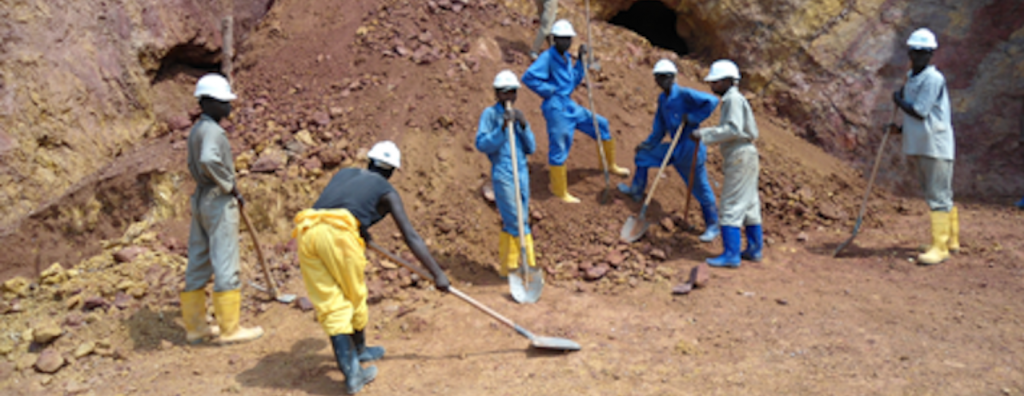
Le secteur minier en République Démocratique du Congo (RDC) en général et au Sud-Kivu en particulier alimente toujours les débats tant au niveau international qu’au niveau national. Présenté sous plusieurs facettes, ce secteur au Sud-Kivu a été dans le temps industriel, puis artisanal et aujourd’hui il est en même temps artisanal et industriel. Le retour […]
Mapping Conflict Motives: M23 (2012)
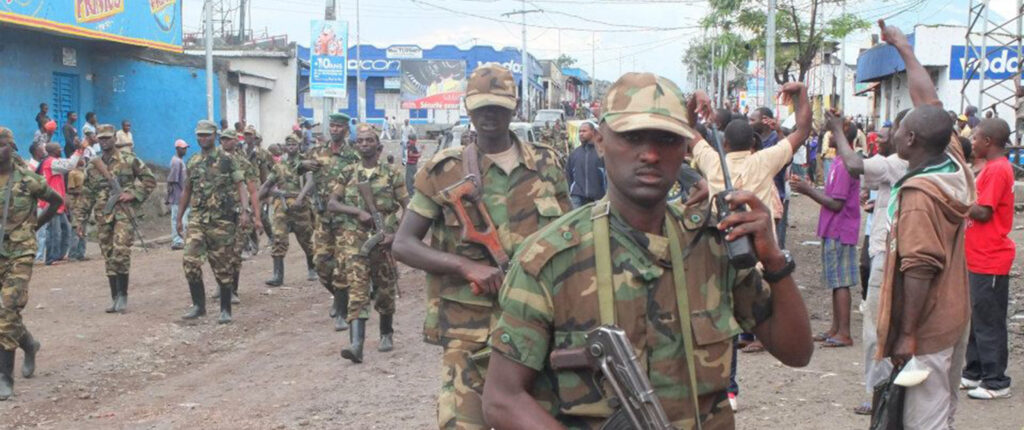
In light of the recent occupation of Goma by M23 and the renewed risk of large-scale armed conflict in the DRC, IPIS publishes an update to its 2007-2010 ‘mapping conflict motives’ report series focussing specifically on the intentions of M23. The M23 rebels show a clear political ambition and a tendency to establish political control […]
A Code of Conduct for Arms Transport by Air. Transport Services under an Arms Trade Treaty Series

This report is a discussion of some key considerations for the development of and “Air Cargo Industry Voluntary Code of Conduct relating to the transport of arms, ammunition and other military equipment” (ACI Code). The purpose of such a Code is to encourage as many aviation companies and other actors as possible in the air […]
Rough Seas. Maritime Transport and Arms Shipments

As stated by the authors in their report “Transparency and Accountability” (February 2012), the Chairman’s Draft Paper (14 July 2011) presented by the Arms Trade Treaty’s Preparatory Committee (ATT PrepCom) included within the ATT scope certain activities that should fall under the category of “services”, such as transport and brokering. However, no provision has been […]
Upstream Implementation of the OECD Due Diligence Guidance for Responsible Supply Chains of Minerals from Conflict-Affected and High-Risk Areas. Cycle 2 Interim Progress Report on the Supplement on Tin, Tantalum, and Tungsten

Cycle 2 Interim Progress Report on the Supplement on Tin, Tantalum, and Tungsten. The following report is the second in a cycle of three on upstream companies’ implementation of the Supplement on Tin, Tantalum and Tungsten to the OECD’s Due Diligence Guidance for Responsible Supply Chains of Minerals from Conflict-Affected and High-Risk Areas. The objective […]
Vlaams Wapenhandeldecreet: Analyse en aanbevelingen

In november 2011 werd in het Vlaams Parlement een ontwerp van decreet ingediend ter vervanging van de federale wet van 5 augustus 1991 over in-, uit- en doorvoer van militair materieel, dit als gevolg van de regionalisering van de bevoegdheid inzake wapenhandel en van de Europese ICT-richtlijn die in mei 2009 goedgekeurd werd door de […]
Study on the development of a framework for improving end-use and end-user control systems

(UNODA Occasional Papers, No. 21, December 2011) Already, in 2002, the Security Council called upon States to establish an effective national end-user certificate system and to study the feasibility, as appropriate, of developing such a system at the regional and global levels, as well as information exchange and verification mechanisms. This study assesses existing practices […]
Transparency and Accountability. Monitoring and Reporting Methods Under An Arms Trade Treaty

Without an understanding of the existing practices of States regarding their commonly agreed standards for the monitoring and reporting of their international transfers of conventional arms, it will be very difficult to draft many of the basic provisions of the Treaty to ensure compliance and enforcement. This report therefore seeks to clarify and discuss existing […]
Bisie. A one-year snapshot of the DRC’s principal cassiterite mine (2011)
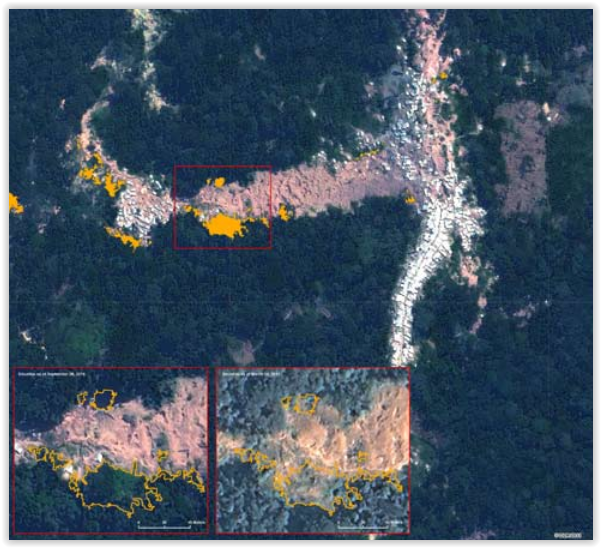
Much has happened in the mining sector of Eastern DRC over the last year. President Kabila imposed a ban on all mining activities last fall, during which production fell considerably. As soon as the suspension was lifted in the spring of this year, the major global electronic companies stopped buying minerals from the region, provoking […]
Violence against women in Eastern Democratic Republic of Congo. Whose responsibility? Whose complicity?

IPIS contributed to the research for and writing of this ITUC report. Summary: Eastern DRC has been ravaged by war and violence since the mid-1990s. Civilians carry the greatest burden of the conflict. Women and girls are especially vulnerable to such attacks. Hundreds of women and girls get sexually violated in their homes and at […]
Upstream Pilot Implementation of the OECD Due Diligence Guidance for Responsible Supply Chains of Minerals from Conflict-Affected and High-Risk Areas
Baseline Report on the Supplement on Tin, Tantalum, and Tungsten IPIS executed the research for and the writing of this OECD report. The present baseline report is the first in a cycle of three reports on the implementation by upstream companies of the Supplement on Tin, Tantalum and Tungsten of the OECD Due Diligence Guidance […]
“Véhicules civils militarisables” and the EU arms embargo on Sudan
The ongoing humanitarian crisis in Darfur has been overlooked recently because the international community has been focusing on the popular revolts in North Africa in the first half of the year and South Sudan’s peaceful referendum on secession from northern Sudan, and the subsequent violence in and over the contested Abyei region, In December 2010, […]
Kenya’s role in the trade of gold from eastern DRC

On 11 September 2010, the Congolese Ministry of Mines put out a statement in which it announced President Kabila’s decision to suspend all exploitation and export of minerals from the provinces of North Kivu, South Kivu and Maniema until further notice. The statement explained that the ban was intended to put a stop to the […]
The Arms Flyers. Commercial Aviation, Human Rights, and the Business of War and Arms
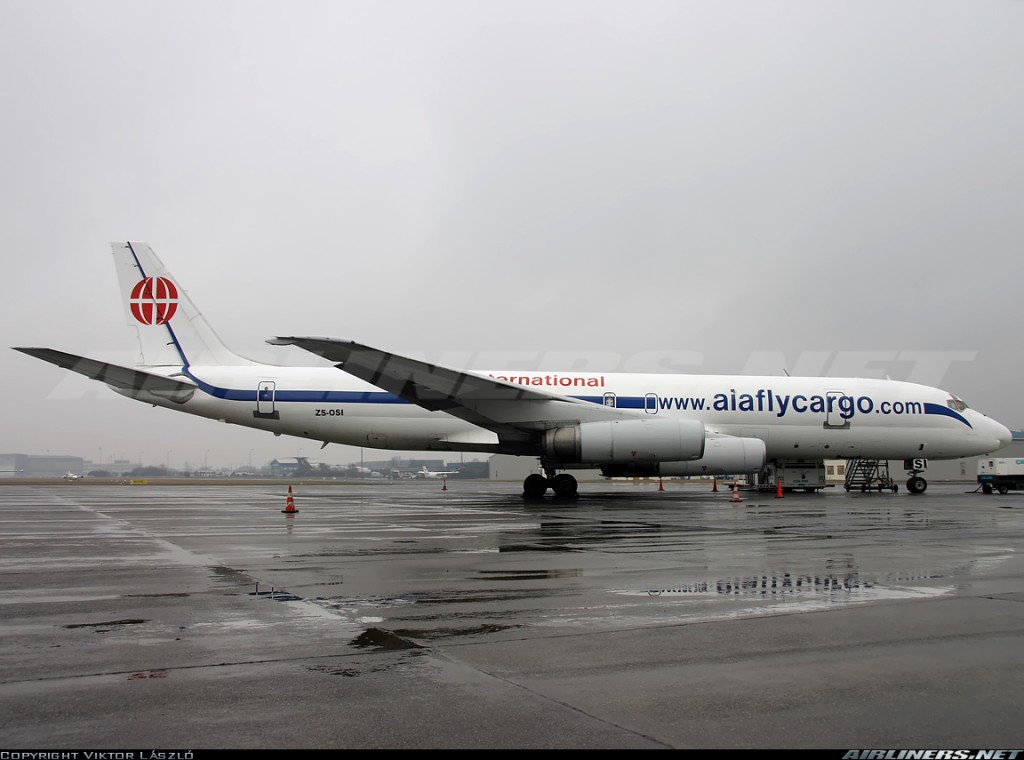
In the last decades, the “business of war” has attracted thousands of civilian transport and logistics companies, especially in the aviation sector. State and non-State actors engaged in armed conflicts or in military operations that require substantial logistic support have increasingly resorted to the services of civilian transport operators to fulfill their transport and logistics […]
Guide to Current Mining Reform Initiatives in Eastern DRC

US legislation has brought on a variety of initiatives aiming at mining reform in EDRC. This paper describes the basic elements of these initiatives, their genesis, the current state of affairs, the inkages between the initiatives and the main challenges they face. Further, the paper briefly evaluates the initiatives while focussing on the steps ahead. […]
The complexity of resource governance in a context of state fragility: The case of eastern DRC

A host of publications over the last decade have highlighted the important role played by artisanal and small-scale mining of coltan, gold and cassiterite in the ongoing conflict in the Democratic Republic of Congo (DRC), yet there is still little awareness of the modus operandi of the various actors involved in the exploitation and trade […]
The Karamoja Cluster of eastern Africa: Arms transfers and their repercussions on communal security perceptions

Nomadic peoples are often, if not universally, perceived as a problem by the governments of the nation states who have responsibility for them; this is particularly so in the case of the three nations with which this report is concerned, viz: Kenya, Uganda and (southern) Sudan. The pastoralist societies within the Karamajong cluster have been […]
The complexity of resource governance in a context of state fragility: An analysis of the mining sector in the Kivu hinterlands (2010)
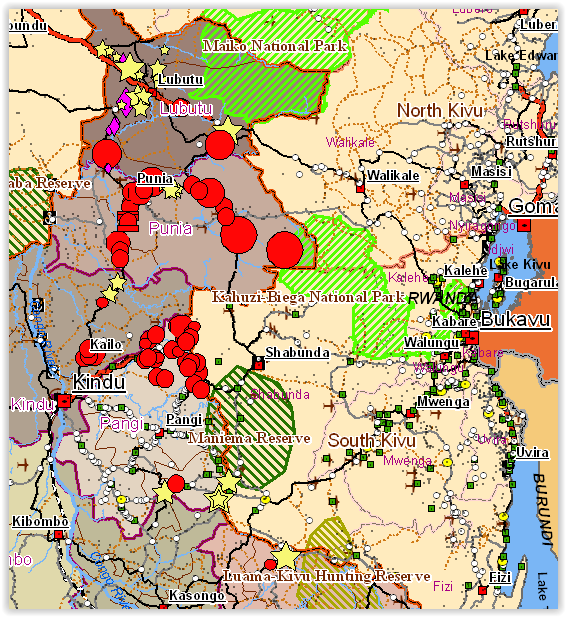
The report ‘Mining activity and mineral trade in the Kivu hinterland’ was commissioned by the Directorate General for Development (DG DEV) of the European Commission and aims to fill an information gap by identifying the principal mining sites and analysing the trade networks of the ‘eastern hinterland’ of the Democratic Republic of the Congo (DRC), […]
Mapping the Labyrinth: more on the strange weapons flight of 4L-AWA
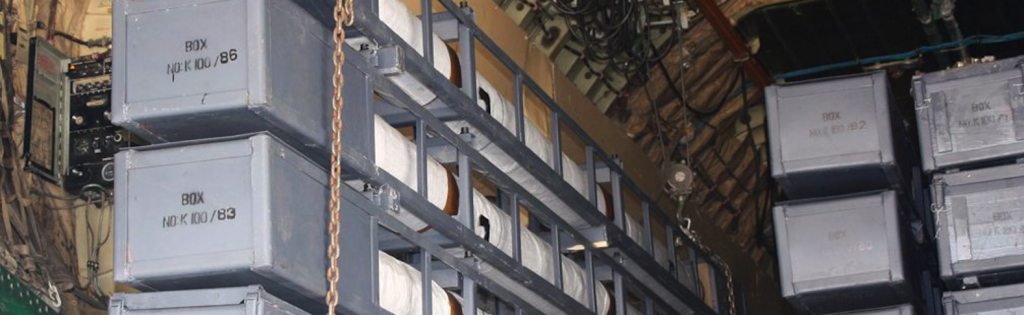
This research report is the third in a series about the case of a IL-76 aircraft used for an apparently clandestine arms flight in provenance from Pyongyang – in contravention of the United Nations arms embargo on North Korea -, which was impounded by Thai authorities during a technical stop in Bangkok December 12, 2009. […]
Mapping Conflict Motives: ‘Province Orientale’ (DRC) (2010)
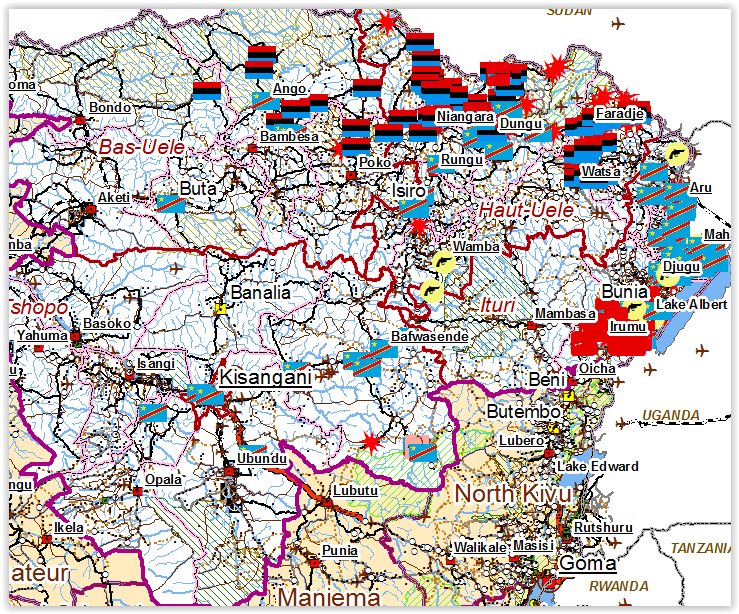
The districts of Ituri, Haut-Uele, Bas-Uele and the territory of Bafwasende continue to suffer from armed groups. Generally speaking, the strength of the armed groups throughout Orientale is limited and their effectives are few. Moreover, there is a considerable presence of the Congolese army. The Uele districts are the two most northern districts of Orientale […]