
Securing insecurity: Semi-industrial gold mining and violence in Mwenga, South Kivu, Democratic Republic of Congo

Since 2011, gradual introduction of novel mining equipment such as crushing mills has led to the increasing mechanization of artisanal gold mining operations in Mwenga territory (South Kivu), including the arrival of semi-industrial mining companies. This report is part of a USAID-funded project examining the linkage between armed conflict, insecurity and natural resource exploitation in […]
Armed groups, territorial control, land disputes, and gold exploitation in Djugu, Ituri, Democratic Republic of Congo

In late 2017, almost fifteen years after the end of the second Congo war, and after several years of relative peaceful coexistence, inter-communal tensions flared up once again in Ituri province, in eastern Democratic Republic of Congo (DRC). In December 2017, isolated violent incidents between members of the Hema and Lendu communities provoked an escalation […]
Unconditional Cash Transfers (UCT) in the DRC: Midline results of a pilot study in an artisanal mining zone in Maniema province

In October 2021, the Belgian non-profit organization Eight World, started a pilot project of Unconditional Cash Transfers (UCT) in a village in an artisanal mining zone in the territory of Pangi, in Maniema Province, in the Democratic Republic of Congo (DRC). Eight World transfers cash directly to individual beneficiaries via a mobile money system. Each […]
Taxes and levies in the artisanal mining sites of South Kivu and Ituri: How much does an artisanal miner pay?
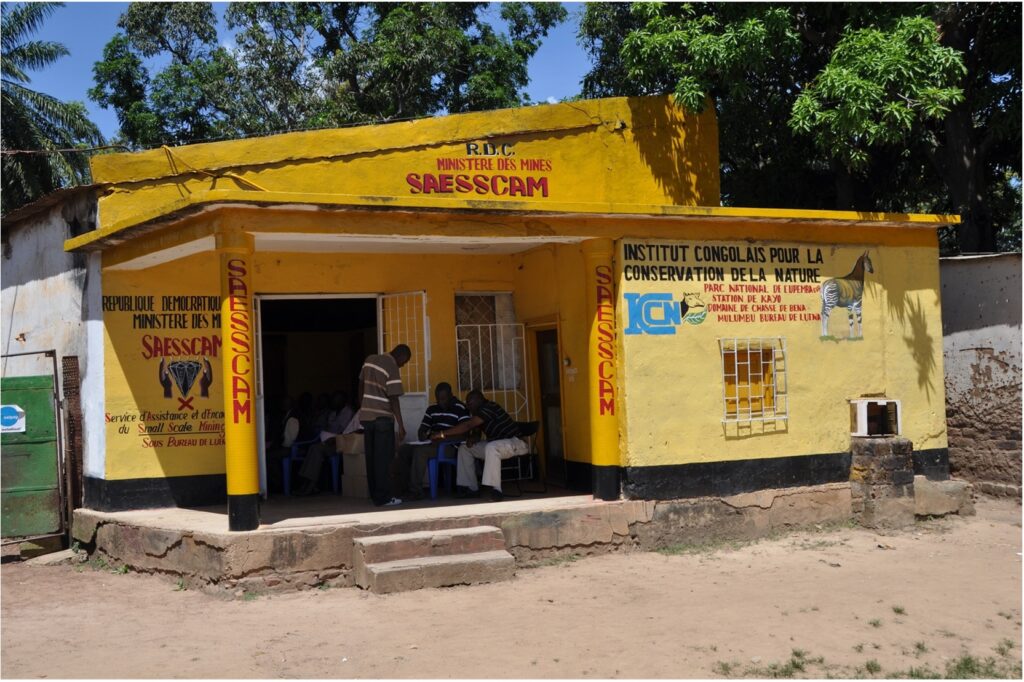
This report is the result of a large-scale field study on taxation in the artisanal mining sector in the eastern Congolese provinces of Ituri and South Kivu. The main finding is that current regulations and practices in the field not only cause mineral smuggling, which leaves some of the sector’s fiscal potential untapped at the […]
A human rights perspective on arms export licencing and access to information

Arms export licensing has long been dominated by two rationales: an interstate perspective and intrastate perspective. In the former arms licensing enables trust-building between nations while the latter increases government accountability. A human rights perspective is overdue in arms export licensing. Victims and their defenders should be able to pursue effective remedy when harm is inflicted on […]
Armed conflict, insecurity, and mining in eastern DRC: reflections on the nexus between natural resources and armed conflict

This report offers a new framework for looking at the eastern Congo conflict, one within which new evolutions of the past twenty years find a place. Indeed, violent conflict in eastern Congo has changed dramatically in all its aspects over the past two decades. Yet too often policymakers and observers appear to assume that we […]
Analysis of the interactive map of artisanal mining areas in eastern Democratic Republic of Congo – 2022 update
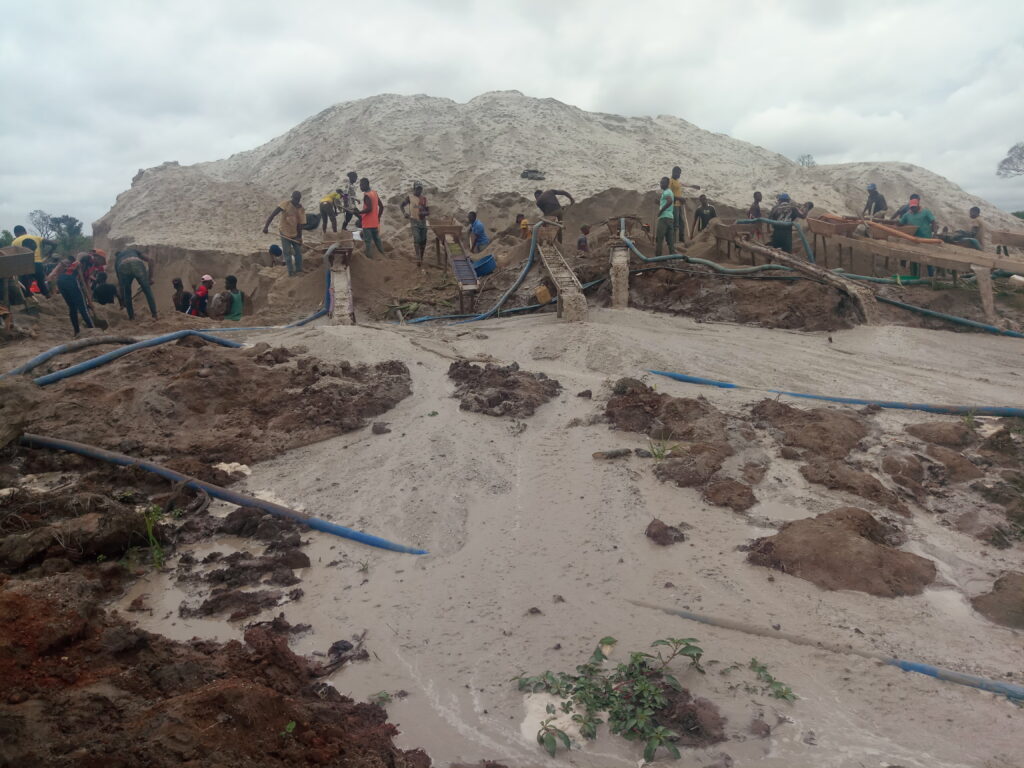
In eastern Democratic Republic of Congo (DRC), the artisanal and small-scale mining (ASM) sector plays an important role in the local economy. While large-scale armed conflict over DRC’s mineral wealth has decreased significantly over the past twenty years, armed actors continuously interfere in the mining sector, and conflicts over resources at the local level are still common. Based on new mining site visits, IPIS analyses recent trends.
Famine as weapon of war – A timeline of the Tigray conflict

In May 2021 CNN reported that Eritrean troops in coordination with the Ethiopian military were blocking aid deliveries to parts of Tigray not under Ethiopian government control. In an exclusive interview with Reuters a senior UN official alleged that starvation was being used as a weapon of war. U.N. humanitarian coordinator Mark Lowcock told Reuters […]
Matokeo – Data collection on ASM in eastern DRC
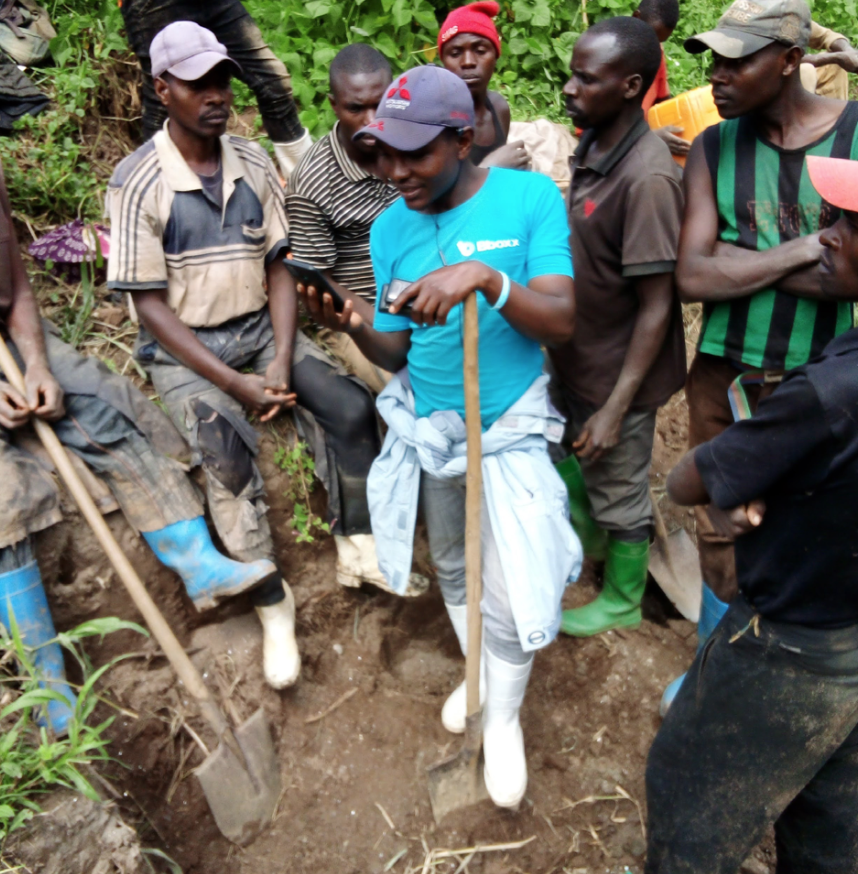
‘Matokeo’ (meaning ‘impact’ in Swahili) is a data-driven platform operating in the Democratic Republic of Congo (DRC) with the ability to reach last mile artisanal miners, enabling them to ping the latest international price of gold. Conceptualized by Ulula and the International Peace Information Service (IPIS), the project won a Conservation X grant in October […]
Responsible mining scorecard in eastern DRC
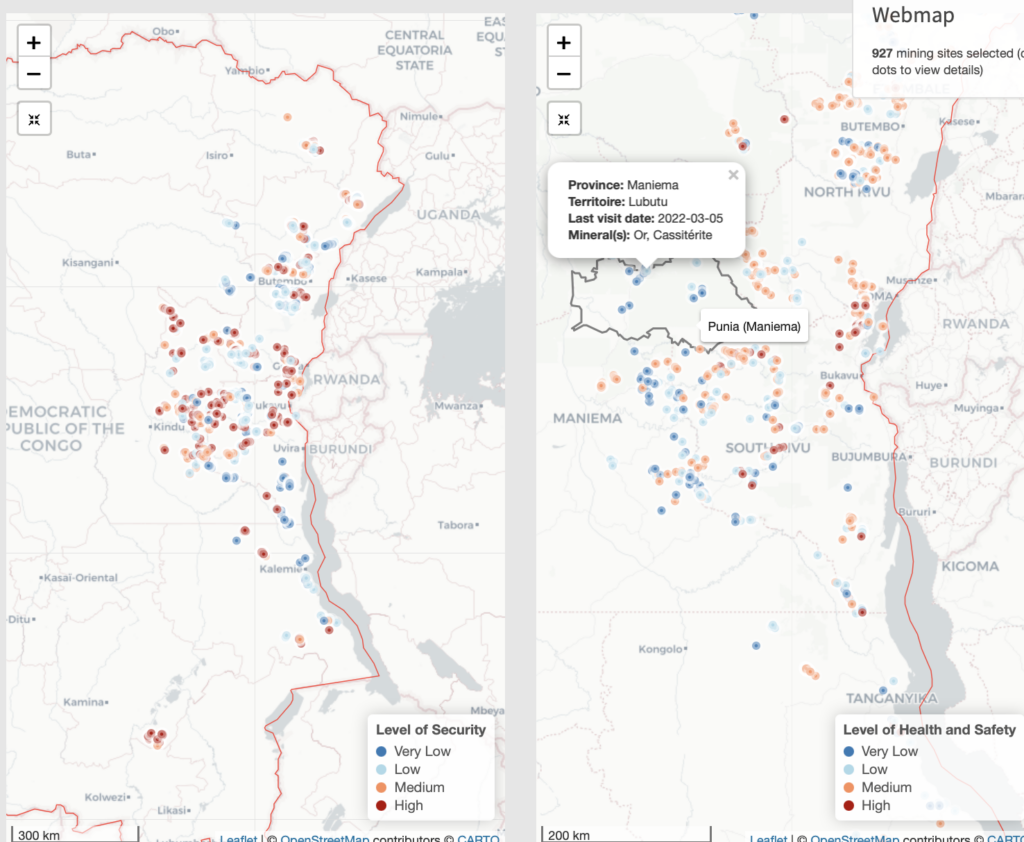
Over the years, IPIS has systematically collected mine site and trade hub level data on artisanal and small-scale mining (ASM) in eastern DRC. This data collection has enabled IPIS to generate a sizable database of more than 3,000 ASM sites that draws both on sites visited by IPIS and data from third party sources including the Congolese mining cadastre and the Ministerial qualification teams. This database is the point of departure of the Responsible mining scorecard (RMS).
Unconditional cash transfers in the DRC: A comparative baseline study in an artisanal mining zone in Maniema Province
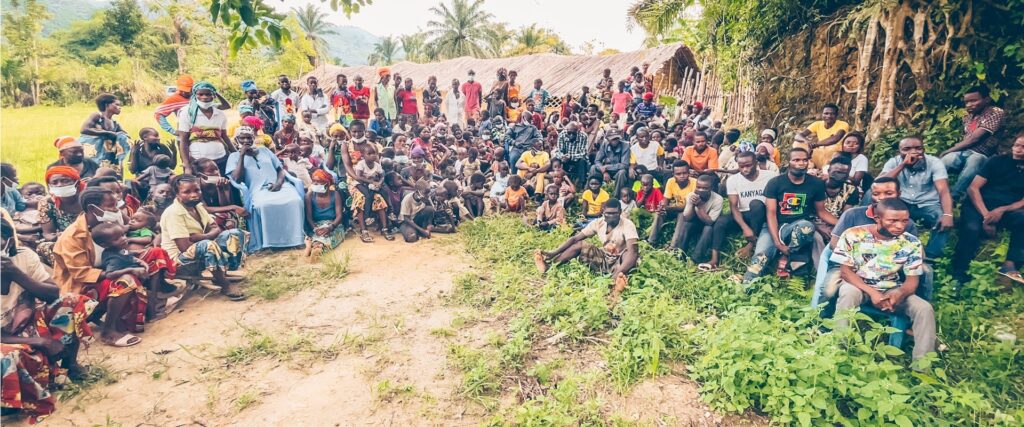
A controlled impact study will be conducted by IPIS to evaluate the net effects of Unconditional Cash Transfers (UCT) on the socio-economic well-being of recipients. A controlled study approach allows potential effects of the intervention to be assessed by monitoring specific indicators in the group of people receiving cash transfers (inhabitants of the UCT village), […]
Report of high-level workshop on the fight against fraud and smuggling of rough diamonds in Central Africa

Regional Cooperation to Enhance the Implementation of the Kimberley Process in Central Africa
In December 2021, the Working Group on Artisanal and Alluvial Production (WGAAP) of the Kimberley Process (KP) and the Cameroonian government hosted the second Central African regional cooperation workshop in Yaoundé to build understanding, share experiences and formulate recommendations on the fight against fraud and smuggling of rough diamonds in Central Africa.
Checkpoint economy: the political economy of checkpoints in South Sudan, ten years after independence
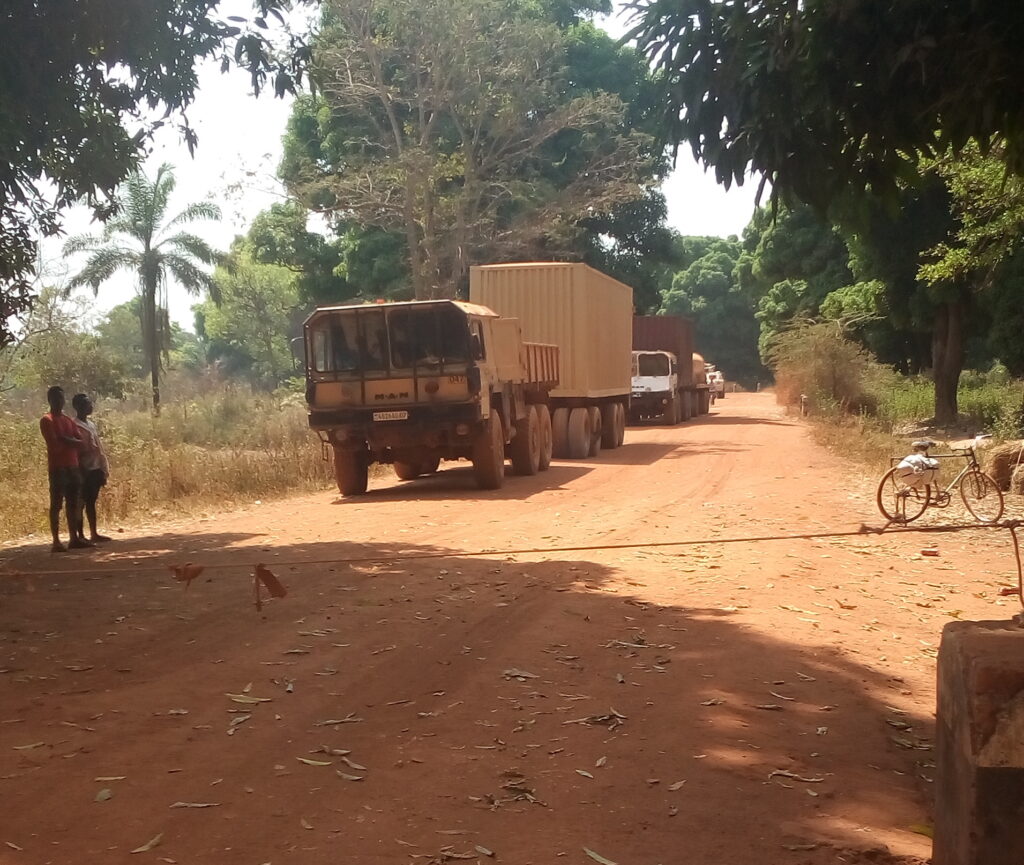
Ten years after independence, the world’s youngest country is home to an entrenched political economy of conflict premised on checkpoint taxation. Humanitarian aid is not exempt, reveals a major new mapping report by DIIS and IPIS. When South Sudan became independent ten years ago, oil revenues were supposed to fuel the economy of the world’s […]
Advocating for an improved enabling environment for the production, trade and export of OECD Due Diligence Guidance (DDG)-conformant minerals from eastern DRC
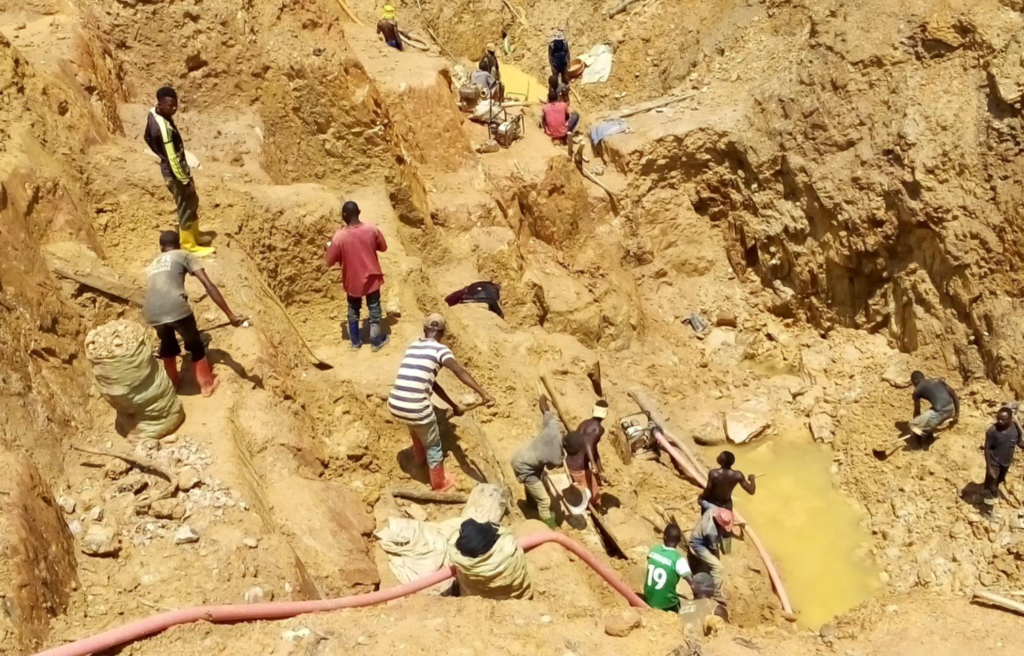
As part of the Madini project, a review of the current situation, trends and barriers in the production, trade and export of tin, tantalum, tungsten (3T) and gold from eastern Democratic Republic of Congo (DRC) was conducted by Levin Sources, with the aim to recommend concrete actions that can improve OECD-conformant sourcing of these minerals […]
The management of lethal materiel in conflict settings: existing challenges and opportunities for the European Peace Facility
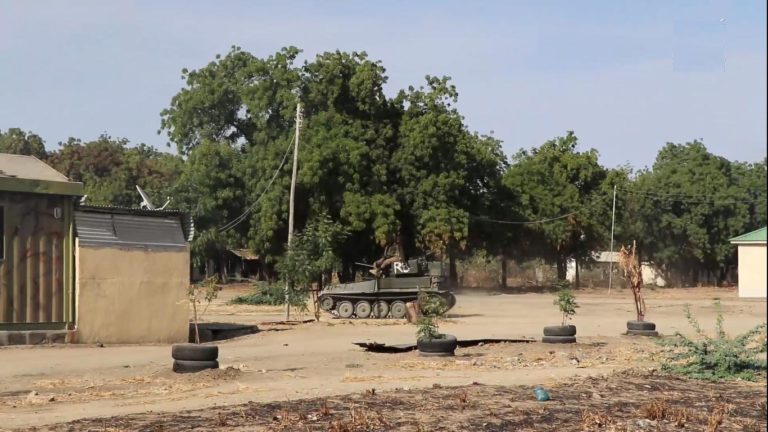
This paper, which is a collaboration between Eric G. Berman (Director of the Safeguarding Security Sector Stockpiles (S⁴) Initiative) and IPIS, shows that levels of loss of uniformed personnel serving in peace operations in the Lake Chad Basin region under the Multinational Joint Task Force (MNJTF), as well as the seizure of lethal materiel from […]
Review paper – The EU Conflict Minerals Regulation: Implementation at the EU Member State level
A coalition of European NGOs working on responsible mineral sourcing, including IPIS, published a review paper discussing the state of implementation of the European Conflict Minerals Regulation across European Union Member States. The report highlights the shortcomings of the Regulation and the general lack of transparency that hinders effective and efficient monitoring of companies. The NGO […]
Belgium’s fight against conflict diamonds: an assessment of the country’s diamond sector controls from a global perspective

In its new report, IPIS assesses Belgium’s fight against conflict diamonds. The report focusses on the Belgian city of Antwerp, which has played a central role in the global diamond trade for centuries. Yet as the world’s diamond hub, Antwerp not only attracted the best but also the worst of this diverse industry. In no […]
Evaluating Due Diligence Programs for Conflict Minerals

The 2010 Dodd-Frank Act requires that US-listed companies sourcing so-called “conflict minerals” from Africa’s Great Lakes region conduct due diligence. Since January 2021, the EU imposes its 3TG importers to conduct due diligence in line with the OECD Guidelines (for a comparison between the two regulations, see IPIS Insight: Regulating Responsible Sourcing of 3TG Minerals). Due diligence programs (DDP), […]
National Baseline Assessment – Business and Human Rights in Belgium
IPIS contributed to the Belgian National Baseline Assessment (NBA). The report covers the findings and recommendations of the NBA. The NBA charts the progress made by Belgian authorities and companies since the launch of Belgium’s first National Action Plan on Business and Human Rights, in June 2017. The research was commissioned by the Belgian Federal Institute for […]
Report on the Third Multi-Stakeholder Conference on Business and Human Rights in Tanzania
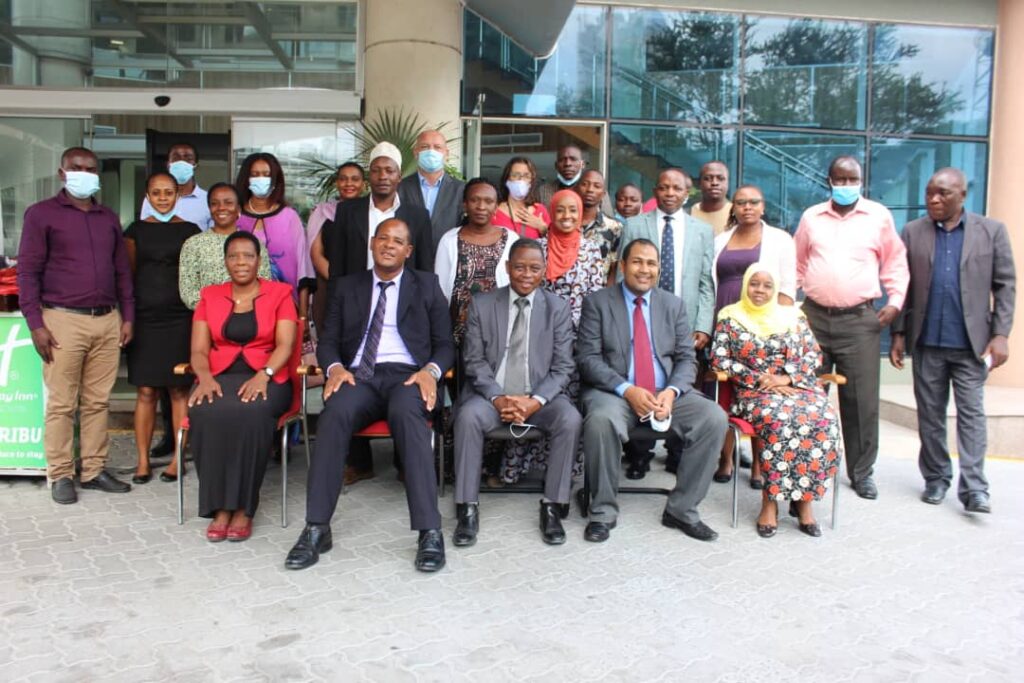
This report presents a summary of the outcomes of the Third Multi-stakeholder Conference on Business and Human Rights in Tanzania which was held in Dar es Salaam, Tanzania on the 17th of February 2021, at Holliday Inn Hotel. The conference was part of the project “Improving, monitoring, research and dialogue on business and human rights in Tanzania”, which […]