
In June 2026, IPIS participated in a workshop hosted by Business and Human Rights Tanzania (BHRT) in Tarime, Mara region, under the theme Haki za Ardhi NchiniTanzania (land rights in Tanzania). The workshop forms part of the project “Empowering Tanzanian communities and civil society for justice & human rights in natural resource governance” (2022-2026).
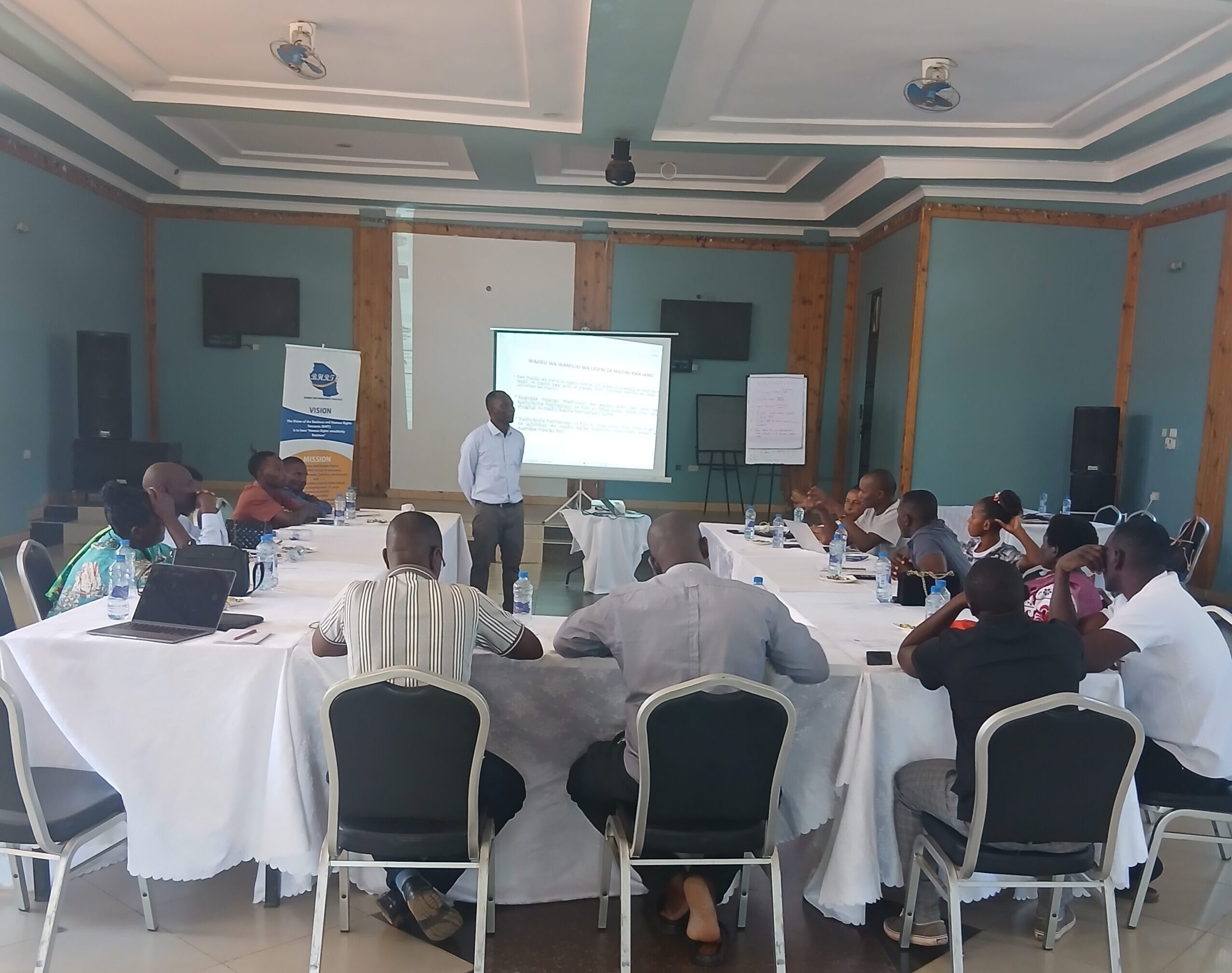
Participants came from Rorya, Bunda, Serengeti, Buhemba, Musoma and Tarime districts in Mara region. The session aimed to strengthen legal awareness among host communities of small and large-scale mining, with particular attention to land rights, fair compensation, and access to remedy. By improving understanding of applicable laws and available grievance and dispute-resolution mechanisms, the workshop sought to help community members engage more effectively with companies, public authorities and legal institutions.
Workshop themes included:
- Land rights: Participants explored Tanzania’s legal framework for land ownership and use, including customary, granted and leasehold rights, as well as the distinction between rights over land and subsoil resources such as minerals, oil, and gas.
- Land acquisition and community impacts: Discussions considered challenges that may arise during land acquisition and resettlement processes, including inadequate compensation, lack of community consultation and engagement, and potential effects of both large- and small-scale mining on livelihoods and the environment.
- Compensation and access to justice: The workshop clarified legal provisions for fair, full and prompt compensation under Tanzania’s Land Acquisition Act of 1967 and Land Act of 1999, including valuation procedures and dispute resolution mechanisms.
- Community empowerment: Particular attention was given to inclusive participation in land-related decisions, women’s land and inheritance rights, and avenues for recourse through land tribunals, relevant government institutions and courts.
Natural resource extraction can create significant changes for surrounding communities, particularly in relation to land, livelihoods and the environment. Where information, participation or grievance channels are limited, concerns may remain unresolved and affect trust between communities, companies and public authorities. Strengthening legal awareness is therefore important for enabling communities to understand their rights and responsibilities, document concerns and engage constructively with relevant actors.
This workshop helped community members become better informed and more confident in participating in decisions affecting their land, livelihoods and environment, using available engagement and grievance mechanisms, and seeking appropriate follow-up where concerns arise.
“Empowering Tanzanian communities and civil society for fostered justice & human rights in natural resource governance” is a five-year project implemented by IPIS, Avocats Sans Frontières, Business and Human Rights Tanzania (BHRT) and HakiRasilimali, with the support of the Belgian Directorate-General for Development Cooperation and Humanitarian Aid (DGD). Views expressed can not be considered as reflecting the position of DGD.