
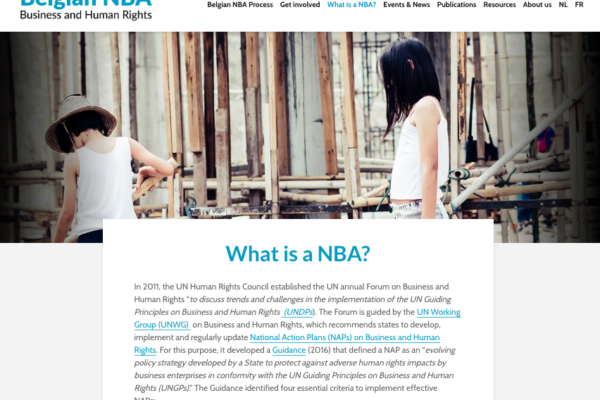
New Website on the Belgian National Baseline Assessment on Business and Human Rights
July 23, 2020The website on the Belgian National Baseline Assessment on business and human rights (NBA) informs stakeholders on the NBA process, timeline and methodology.

Webinar on the Impact of COVID-19 on African communities affected by diamond mining
July 7, 2020On Monday July 6, the Kimberley Process Civil Society Coalition (KP CSC) organised a webinar on addressing the challenges posed by Covid-19 for African diamond mining communities.
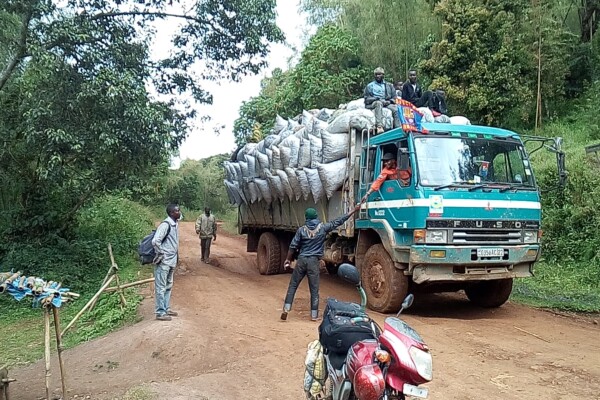
IPIS recrute deux chercheurs pour une consultance en Août 2020
June 5, 2020Dans le cadre du projet “Améliorons la sécurité, la cohésion sociale et les droits humains dans les régions minières de l’est du Congo”, IPIS, membre du consortium formé avec International Alert et l’Observatoire Gouvernance et Paix (OGP), cherche à recruter deux consultants pour une cartographie des acteurs et une analyse des dynamiques du conflit et des enjeux politico-économiques de l’artisanat

IPIS’ policy regarding the covid-19 crisis
April 3, 2020April 1st, 2020 Faced with the present covid-19 context, IPIS is concerned with the health and security of its staff, local researchers, surveyors, partners and local communities. IPIS wants to contribute to curbing the spread of the virus. Following the recommendations from the Belgian government, the headquarter staff in Belgium is actively teleworking since mid-March. In the light of the evol
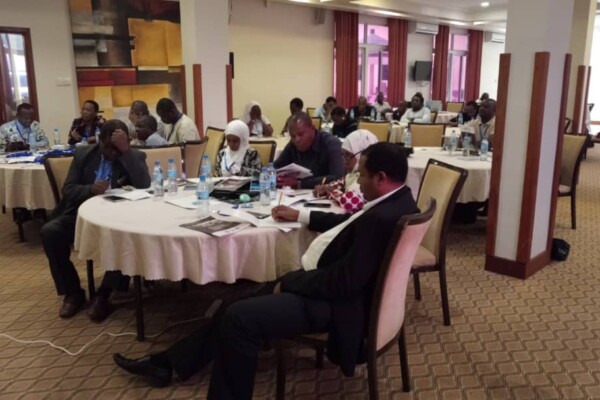
Second multi-stakeholder dialogue on Business and Human Rights in Tanzania urges focus on “the human rights impact of large infrastructure projects”.
March 24, 2020Dar es Salaam, 18 March 2020 For the second time, Business and Human Rights Tanzania (BHRT), the Tanzanian Commission for Human Rights and Good Governance (CHRAGG) and the International Peace Information Service (IPIS) brought together key stakeholders from civil society, the business community and various government agencies from Tanzania mainland and Zanzibar for an annual multi-stakeholder dial

“Civil society challenges complacency of the Kimberley Process at UN gathering in New York”
March 4, 2020Addressing government and industry representatives in New York on March 3, at the occasion of the adoption of the United Nations General Assembly Resolution on the Role of Diamonds in Fueling Conflict, the Kimberley Process (KP) Civil Society Coalition (CSC) questioned the often-hailed contribution of the KP to preventing conflict and promoting development. A conflict prevention tool? During event
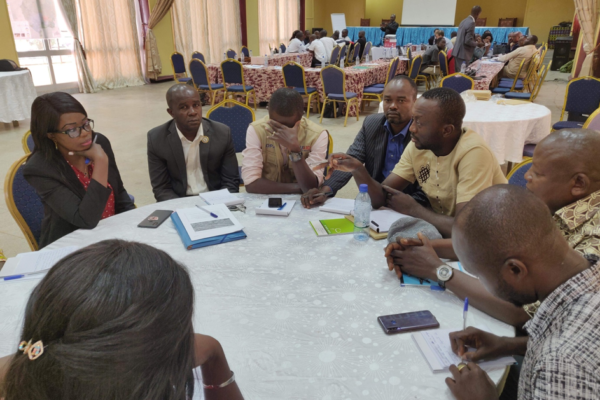
Mapping ASM sites in the Central African Republic: Official Presentation in Bangui
February 3, 2020In January 2020, IPIS presented the results of its diagnostic report and mapping of artisanal and small-scale mining (ASM) sites and gold supply-chains in western Central African Republic (CAR) to national authorities and civil society organizations during a three-days’ workshop in Bangui. The objectives of the mapping exercise are to support the CAR Ministry of Mines and Geology (MMG) and other k

IPIS is recruiting a researcher
January 23, 2020International Peace Information Service (IPIS) is an independent research institute based in Antwerp (Belgium), providing governmental and non-governmental actors with information and analysis to build sustainable peace and development in Sub-Saharan Africa. The research is centred around four programmes: Natural Resources, Business & Human Rights, Arms Trade & Security and Conflict Mappin

My GIS internship experience – a word of goodbye from our latest intern
December 19, 2019It was early September when I started my internship at IPIS, but the story started way earlier. During my Master’s degree, I came across this research centre and used part of the extensive information it provides on artisanal mining and conflict in eastern DRC. Eventually, I ended up writing my thesis based on IPIS data. It seemed then very natural to apply for an internship in IPIS GIS team in or
Conflict diamond certification scheme unable and unwilling to reform
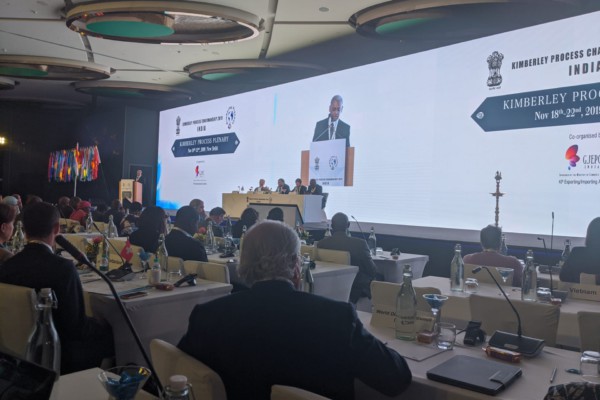
November 22, 2019“Conflict diamond certification scheme unable and unwilling to reform” Today, another three-year reform cycle of the Kimberley Process came to an end without meaningful change. Participating states could only find consensus on insignificant changes to the scope and governance of the scheme. They once again failed to effectively protect communities in diamond mining areas from ongoing abuses. In th
11 December 2019 – IPIS presents “The social, economic and human rights impact of mining: the case of Tanzania”
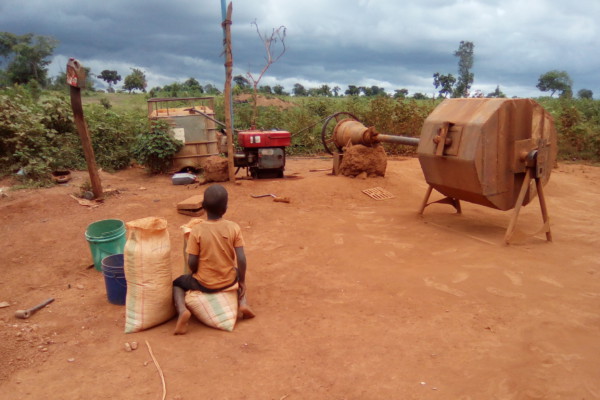
November 13, 2019IPIS kindly invites you to a presentation of its work on mapping the social, economic and human rights impact of mining in Tanzania. IPIS will present the results of its wide-scale mobile data collection on artisanal and industrial mining in northwest Tanzania. This presentation will shed light on the nature, scope and impact of mining in Tanzania and, more generally, on IPIS’ approach and methodo
My GIS internship experience – A goodbye from our latest intern
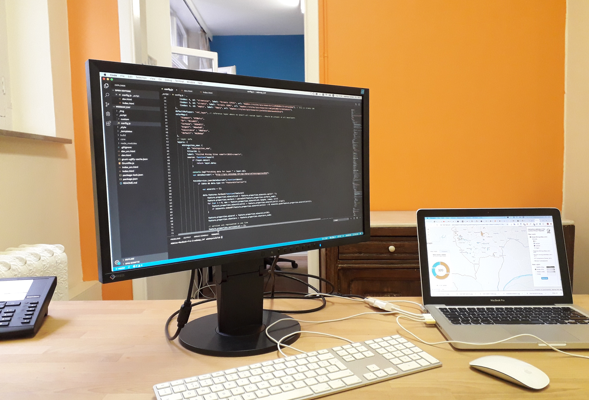
September 25, 2019This summer I joined IPIS as a GIS intern between my first and second year of master and discovered a group of professionals whose work drive insights for decision-making and governance through research and technology. Walking into the building, I was warmly greeted by the staff and discovered the vast collection of books in the library of this research institute. The last three months were full o
IPIS welcomes University of Antwerp Summer School for workshop on artisanal diamond mining
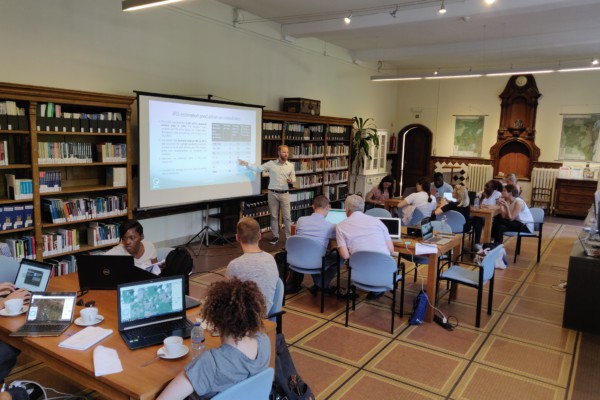
September 2, 2019On August 28th, 2019, 21 students from the University of Antwerp’s ‘Mine to Finger’ Summer School on diamonds were engaged on “The use of digital maps and open data in the analysis of artisanal mining” with a case-study of the Central African Republic (CAR). The students, with diverse backgrounds, engaged in critical and nuanced discussions on artisanal diamond mining. The workshop kicked-off with
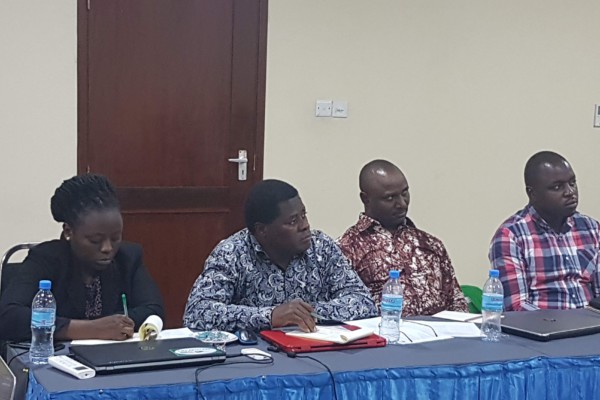
Launch of the second “Voices from Tanzania” series: Business and Human Rights studies with a focus on land rights and environment
July 31, 2019In 2019, Business and Human Rights Tanzania (BHRT), the Tanzanian Commission of Human Rights and Good Governance (CHRAGG) and the International Peace Information Service (IPIS) will collaborate again with Tanzanian civil society organisations in its partner series “Voices from Tanzania”. In its the first volume , the “Voices from Tanzania” publication covered a diverse range of human rights topics
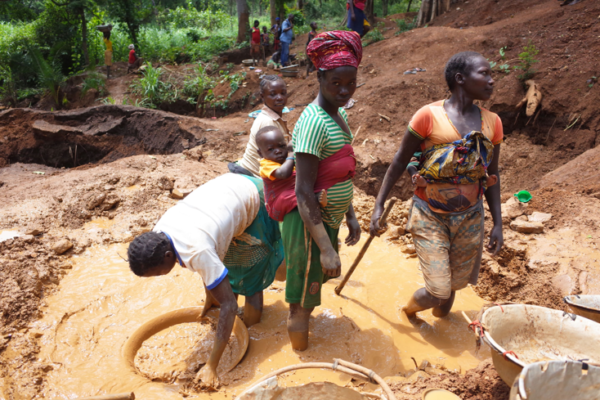
Mapping ASM sites in the Central African Republic: An update from our field teams
July 2, 2019Since February 2019, IPIS is partnering with the Artisanal Mining and Property Rights (AMPR) project from the U.S. Agency for International Development (USAID) to increase awareness and understanding of the opportunities and challenges of establishing responsible gold supply chains in the Central African Republic (CAR). As part of this project, IPIS is supporting the Ministry of Mines in mapping a

“All eyes on the Kimberley Process for desperately needed reform on conflict diamonds”
June 24, 2019Civil society calls on Participants to take their responsibility in preventing diamond-related conflict This week saw the end of the 2019 intersessional meeting of the Kimberley Process (KP) chaired by India. The week-long conference was the scene of discussions among delegates on the possibility of expanding the Kimberley Process’ scope to ensure that the scheme addresses modern day conceptions o
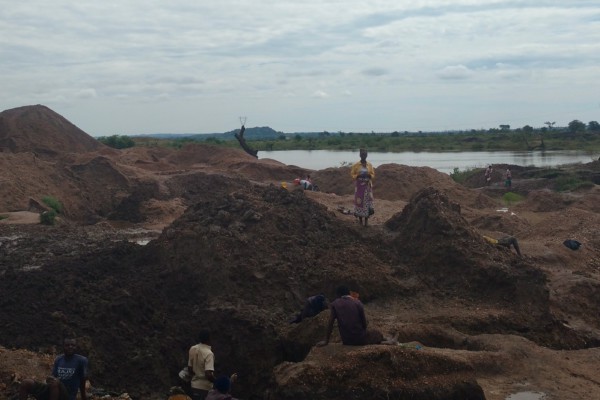
Kimberley Process must progress reform talks on diamond violence or risk irrelevance and diamond revenue losses
June 14, 2019Kimberley Process must progress reform talks on diamond violence or risk irrelevance and diamond revenue losses “Kimberley Process reform failure hurts us all”, say civil society and African communities As India prepares to host the last intersessional of the Kimberley Process (KP) reform cycle in Mumbai (17-21 June), the Kimberley Process Civil Society Coalition (KPCSC) urges states to prog
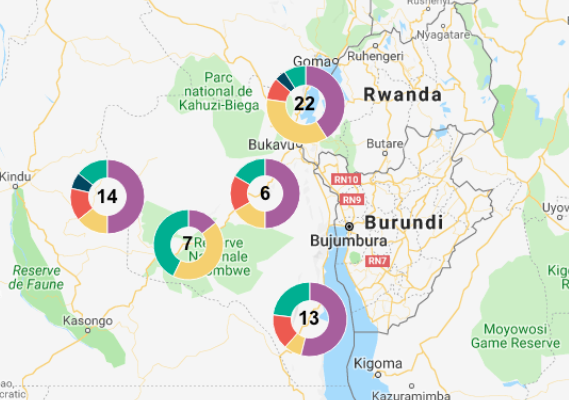
Artisanal and small-scale mining Incident Tracker in eastern DRC
June 5, 2019Since the end of 2018 witnesses and victims of incidents and accidents related to artisanal small-scale production, transport and trading of minerals in the provinces of South-Kivu and Ituri can be reported. IPIS, in collaboration with the Bukavu based Expertise Centre on Mining Governance (CEGEMI) and Ulula,has developed a new, anonymous reporting system. View the ASM Incident Tracker The tool al
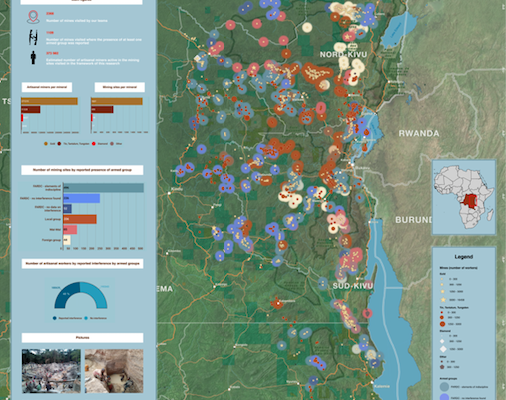
Working on conflict mapping through GIS – A goodbye from our latest GIS intern
May 29, 2019I arrived at IPIS in January of this year with the purpose to further improve my GIS skills and work on the topic of conflict mapping. Entering the IPIS premises and meeting the staff, my first impression of IPIS was that of a friendly and professional organization. They are lucky enough to be housed in an old monastery which seems like a small oasis in the middle of the loud and crowded city. Tha
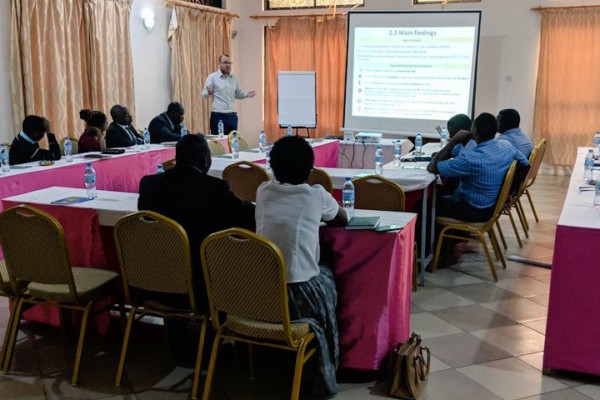
Data sharing on the socio-economic and human rights impact of mining in Tanzania
May 15, 2019Tanzania, May 2019 Since January 2017, IPIS has been working on a project to map the socio-economic and human rights impact of mining in northwest Tanzania. This project is supported by the Belgian development cooperation under a programme on human rights and digitisation. By using mobile technologies such as mobile data collection, GIS mapping, mobile incident reporting and phone surveys throug