
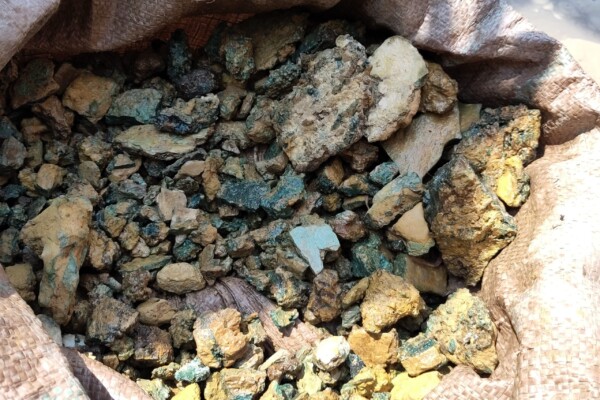
The EU Critical Raw Materials Act: Handshakes, extracting, processing and recycling. Why not reducing and prioritizing?
November 7, 2023The European continent struggles with the dilemma to secure its raw material supply chain for the sake of its green transition and energy sovereignty, at the cost of more pollution, ecosystem destruction and handshakes with undemocratic resource-rich countries. The Critical Raw Materials Act (CRM Act) proposes a strategy to secure a sustainable supply of critical raw materials, and is currently ne
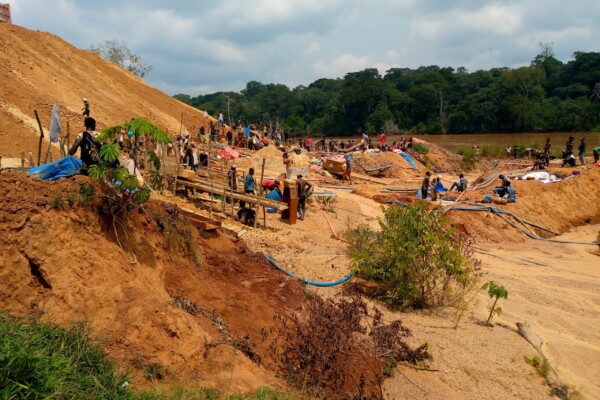
Mapping of artisanal mining sites in western Mambasa, Ituri Province, Democratic Republic of the Congo
October 27, 2023The western part of Mambasa territory, in Ituri province, has been overlooked by national authorities and international partners. This despite major expansions of artisanal and small-scale gold mining (ASM) operations, including in the Okapi Wildlife Reserve (OWR). These mining operations have caused tensions between native inhabitants, miners, armed actors, officials and conservationists. Se

Joint NGO statement: EU Conflict Minerals Regulation failing to reach its goals
October 19, 202320 NGOs call on the EU to step up its enforcement and adopt new measures Download the statement (ENG) Téléchargez la déclaration (FR) Brussels, 19 October 2023 More than six years after it was signed into law, the EU Regulation on the responsible supply of tin, tungsten, tantalum and gold (3TG) originating from conflict-affected and high-risk areas (CAHRAs) is failing to reach its key object
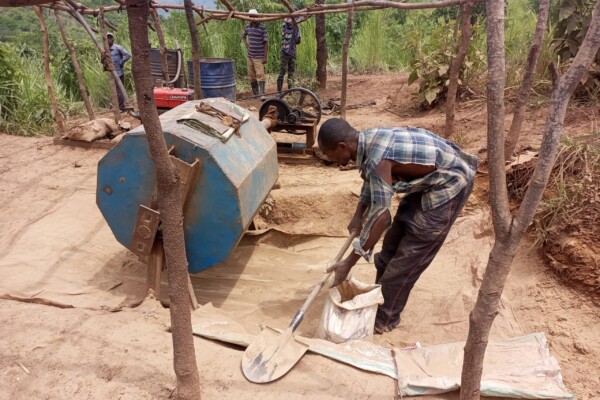
Securing insecurity: Semi-industrial gold mining and violence in Mwenga, South Kivu, Democratic Republic of Congo
October 5, 2023Since 2011, gradual introduction of novel mining equipment such as crushing mills has led to the increasing mechanization of artisanal gold mining operations in Mwenga territory (South Kivu), including the arrival of semi-industrial mining companies. This report is part of a USAID-funded project examining the linkage between armed conflict, insecurity and natural resource exploitation in the easte
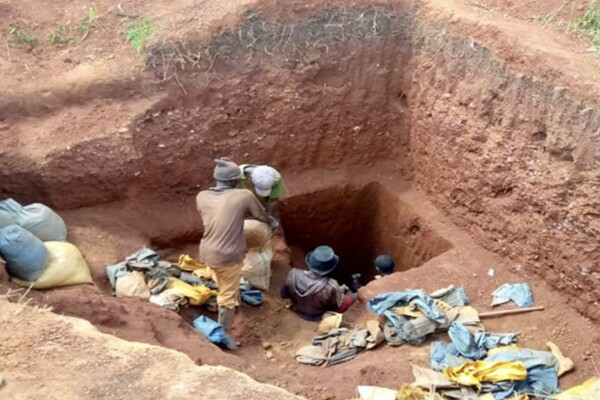
Voix du Congo: The role of artisanal mining in the demobilisation and reintegration of former FPRI fighters in the chefferie de Walendu Bindi, Ituri
September 22, 2023See our series: VOIX DU CONGO Located in the north-east of the Democratic Republic of Congo, the province of Ituri has experienced almost two decades of activism by the armed group Force de Résistance Patriotique de l’Ituri (FRPI). The failure of a demobilisation, disarmament and reintegration (DDR) programme launched in 2020 has led FRPI fighters to informally return to public life, finding
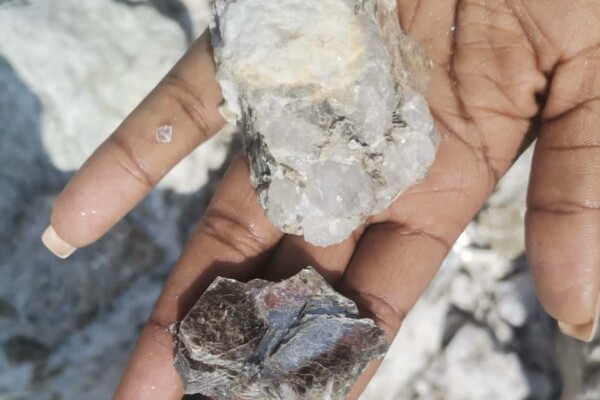
Chinese dominance in Zimbabwe’s lithium mines: Potential risks, vulnerabilities and opportunities in the critical minerals sector
September 20, 2023In the global race for energy transition minerals that are meant to help address the climate change crisis, Zimbabwe is one of the few African countries with important lithium reserves. If mining projects are managed transparently and with respect for property rights, human rights and openness to competitive investments, it can potentially lead to growth and development that has so far elude

Tanzania’s mining policy on local content: Progress and associated challenges
September 13, 2023DARUBINI – Tanzania Briefing – September 2023 Tanzania has experienced a boom in its mining sector in the past few years. Yet there are concerns about the limited benefit this has provided to Tanzanian communities , due to a lack of local participation in the sector’s value chain. This briefing evaluates the implementation of legislation regulating local participation thus far and identifies
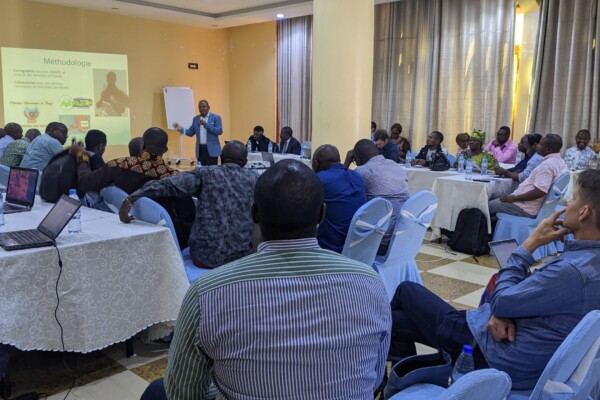
Sharing the results of two years of research into eastern DR Congo’s artisanal mining sector
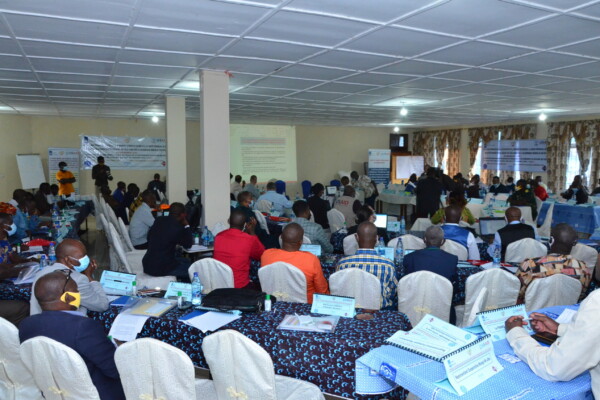
July 12, 2023Since 2021 and in partnership with USAID and the Congolese Ministry of Mines (through its technical service SAEMAPE), IPIS has been undertaking a large-scale project to map and analyse artisanal mining supply chains and conflict financing dynamics in eastern DRC. A restitution meeting was held in Goma (North Kivu) on June 21st, 2023 to present and discuss the results produced over the past two yea
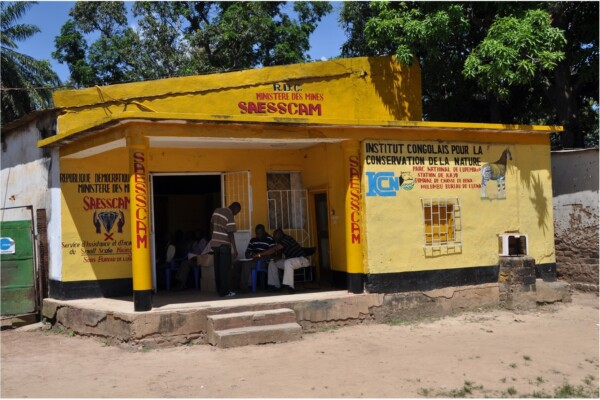
Taxes and levies in the artisanal mining sites of South Kivu and Ituri: How much does an artisanal miner pay?
April 14, 2023This report is the result of a large-scale field study on taxation in the artisanal mining sector in the eastern Congolese provinces of Ituri and South Kivu. The main finding is that current regulations and practices in the field not only cause mineral smuggling, which leaves some of the sector’s fiscal potential untapped at the provincial and national levels, but also constitute a source of insec
Critical minerals and the need for equal partnerships with African producers
April 12, 2023Before Western policymakers recognized the immense strategic importance of minerals for green energy production in the 21st century, it was primarily seen as the main source of conflicts in Africa, especially when they were extracted in the African Great Lakes Region.
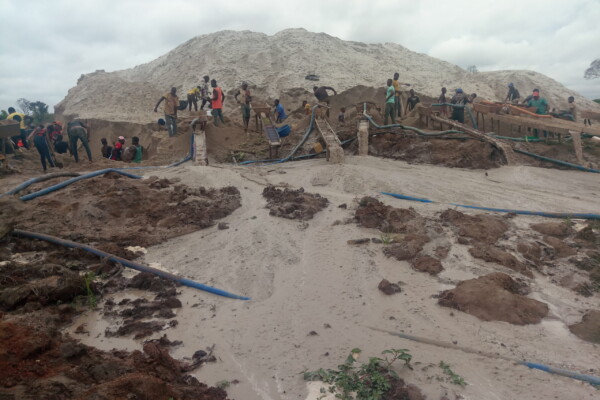
Analysis of the interactive map of artisanal mining areas in eastern Democratic Republic of Congo – 2022 update
November 29, 2022In eastern Democratic Republic of Congo (DRC), the artisanal and small-scale mining (ASM) sector plays an important role in the local economy. While large-scale armed conflict over DRC’s mineral wealth has decreased significantly over the past twenty years, armed actors continuously interfere in the mining sector, and conflicts over resources at the local level are still common. Based on new minin
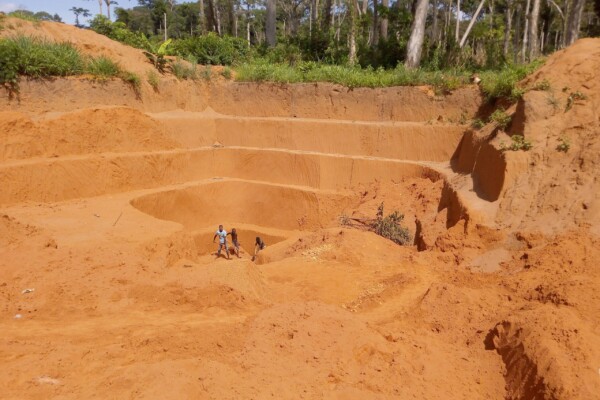
Joint statement on conflict & due diligence legislation
October 14, 2022The forthcoming EU due diligence Directive is lacking in its provisions for companies that are active in conflict affected areas and should be amended to align better with the UN Guiding Principles on Business and Human Rights. Together with 50+ signatories, IPIS calls for a heightened, conflict-sensitive due diligence process for high-risk areas that includes compliance with international humanit
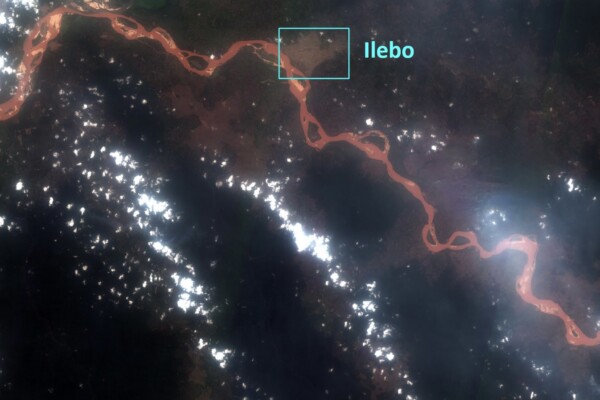
Troubled waters in the Kasai. Pollution by the Angolan diamond industry and culpable negligence by the Congolese government
September 2, 2022Late July 2021, local media first reported on the brownish-red discoloration of hundreds of kilometers of the Democratic Republic of Congo’s Tshikapa and Kasai rivers due to pollution from ‘industrial diamond mines’ in neighbouring Angola. About a year after the news reached the world press, hardly anything has been heard about the environmental disaster.
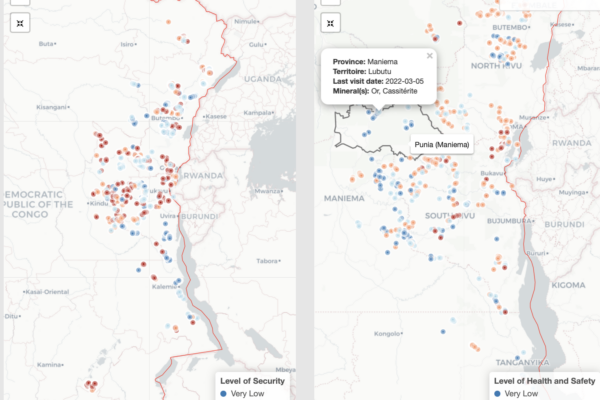
Responsible mining scorecard in eastern DRC
August 31, 2022Over the years, IPIS has systematically collected mine site and trade hub level data on artisanal and small-scale mining (ASM) in eastern DRC. This data collection has enabled IPIS to generate a sizable database of more than 3,000 ASM sites that draws both on sites visited by IPIS and data from third party sources including the Congolese mining cadastre and the Mini
“The Blue Mine” as a new status for qualifying mine sites in DRC. The result of successful advocacy by the Madini Project
November 23, 2021On November 12th 2021, the National Minister of Mines of the Democratic Republic of Congo (DRC), Madam Antoinette N’Samba Kalambayi, signed the ministerial decree instituting a new status for the qualification /validation for artisanal mining sites: the Blue Status. Mine site qualification and validation (in line with the ICGLR’s Regional Certification Mechanism ) is a mandatory process in the DRC
New large-scale mapping project of artisanal and small-scale mining in eastern DRC launched
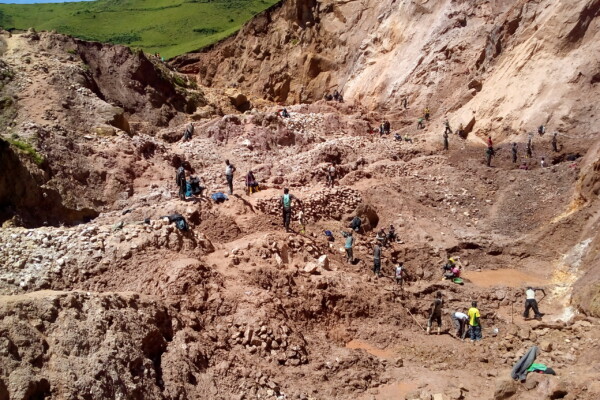
November 10, 2021Over the next two years, IPIS – in partnership with USAID, Tetra Tech and the Congolese Ministry of Mines (SAEMAPE) – will undertake a large-scale mapping effort of artisanal and small-scale mining sites in the eastern Democratic Republic of Congo (DRC), with the aim to provide observers, suppliers and policymakers with reliable data to understand artisanal mineral supply chains and conflict finan

Story map of ASM sites in the DRC
October 6, 2020Explore IPIS’ web map of the eastern Democratic Republic of the Congo (DRC) with a guided narrative In its new story map, IPIS presents data gathered on eastern DRC’s artisanal mining sector and highlights key information from its reports investigating the interactions between natural resources and conflict dynamics in the region. Data was gathered on around 2,700 mining sites, and the principal m
Story map of ASM sites in Central African Republic
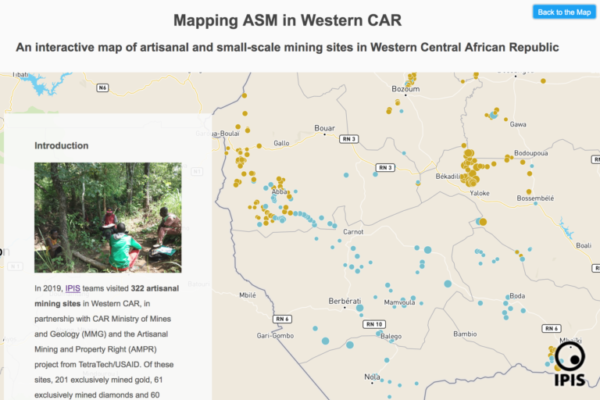
June 4, 2020Discover a new approach to IPIS’ interactive webmap of artisanal and small-scale mining (ASM) sites in the Central African Republic through this interactive story map. In partnership with national authorities in Central African Republic (CAR) and USAID’s Artisanal Mining and Property Rights project, IPIS mapped and analysed the artisanal mining sector in the western part of the country, and outlin
Mapping ASM sites in the Central African Republic: An update from our field teams
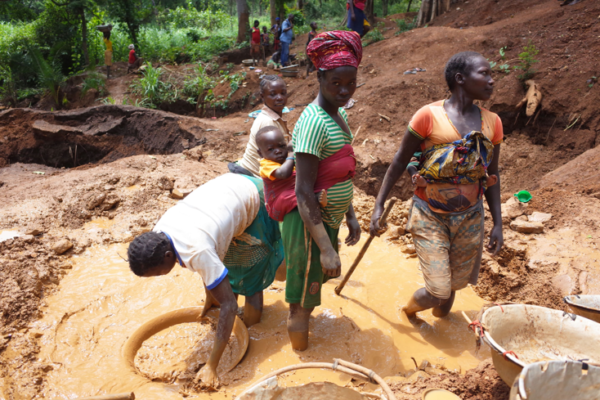
July 2, 2019Since February 2019, IPIS is partnering with the Artisanal Mining and Property Rights (AMPR) project from the U.S. Agency for International Development (USAID) to increase awareness and understanding of the opportunities and challenges of establishing responsible gold supply chains in the Central African Republic (CAR). As part of this project, IPIS is supporting the Ministry of Mines in mapping a
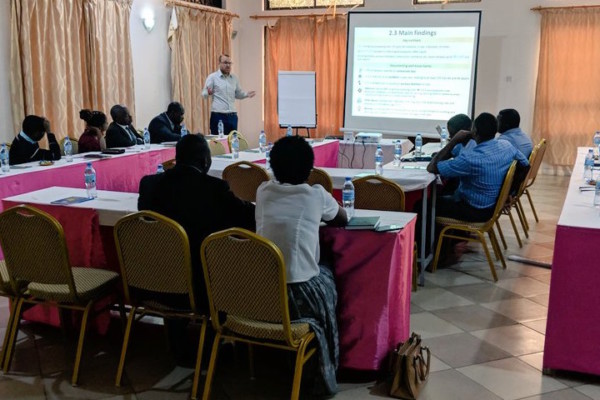
Data sharing on the socio-economic and human rights impact of mining in Tanzania
May 15, 2019Tanzania, May 2019 Since January 2017, IPIS has been working on a project to map the socio-economic and human rights impact of mining in northwest Tanzania. This project is supported by the Belgian development cooperation under a programme on human rights and digitisation. By using mobile technologies such as mobile data collection, GIS mapping, mobile incident reporting and phone surveys throug