
African diamond-producing countries are facing an unprecedented crisis. Natural diamond prices and demand are under sustained pressure, synthetic diamonds have rapidly gained market share, mines are cutting production or closing, workers are losing jobs, and diamond-dependent economies are coming under growing fiscal and social strain. The crisis exposes the limits of a model in which many African countries remain dependent on extracting and exporting rough diamonds while much of the value, commercial influence and control over how diamonds are marketed to consumers lies elsewhere. The challenge is therefore not simply to defend natural diamonds against synthetic competition, but to build a more resilient African diamond sector that captures more value and delivers greater development benefits.
Doing so also requires looking beyond an international governance model still centred largely on the Kimberley Process (KP), a more than 20-year-old certification scheme created to stop diamonds from financing civil wars. African producers have already begun to claim greater agency over their diamond resources and their position along the value chain, but the current crisis makes clear that more is needed: more practical cooperation between producer countries, realistic approaches to value addition, better integration of artisanal and small-scale miners, and stronger social, economic and environmental performance.
A global diamond market in crisis

The scale of the downturn is stark. Diamond sector giant De Beers reported a 12% fall in rough diamond production in 2025, to 21.7 million carats, while its average realised price fell by 7%. More broadly, global rough diamond production fell to 98.8 million carats in 2025, its lowest level since KP records began in 2004, compared with around 176 million carats at its 2005–2006 peak.
A key driver of this pressure is the rapid rise of synthetic diamonds. Their prices have fallen sharply, with comparable one- and two-carat stones selling for around 80% less than natural diamonds by mid-2025. In the United States they reportedly accounted for 61% of engagement-ring centre stones in 2025, compared with just 12% in 2019. Together with persistently weak demand in China, high inventories and cautious restocking across the supply chain, this has put significant pressure on natural diamond prices, while sanctions on Russian diamonds and wider trade uncertainty have further disrupted the market.
How the downturn is hitting African producers
For African producers, the consequences extend far beyond the diamond industry. Botswana illustrates the macroeconomic exposure: despite decades of successful management of diamond revenues, limited diversification of the productive economy has left the country highly vulnerable to downturns in the diamond market. As diamond revenues fell, GDP contracted, unemployment rose and pressure on public finances contributed to severe strains on essential services, including shortages of medicines and medical supplies.
Zimbabwe offers another example of how a global downturn translates into local impacts. Diamond production had increased considerably in the preceding years, but the sector entered 2025 under pressure from depressed rough prices alongside power shortages and under-investment. As the crisis hit, the state-owned Zimbabwe Consolidated Diamond Company (ZCDC), the main operator in the Marange diamond fields, reportedly cut around 400 jobs last year.
In Marange, the effects of the downturn extend well beyond those directly employed by mining companies. ZCDC’s retrenchments, alongside months of unpaid wages at another major producer, Anjin, have reduced household incomes in an area where diamond mining is an important source of cash. Locally, this is being felt through reduced spending at trading centres such as Mashukashuka, affecting shops, vendors and other small businesses. With few alternative livelihood opportunities, local observations suggest that the downturn is also pushing more people towards informal artisanal diamond mining and established black market buying networks.
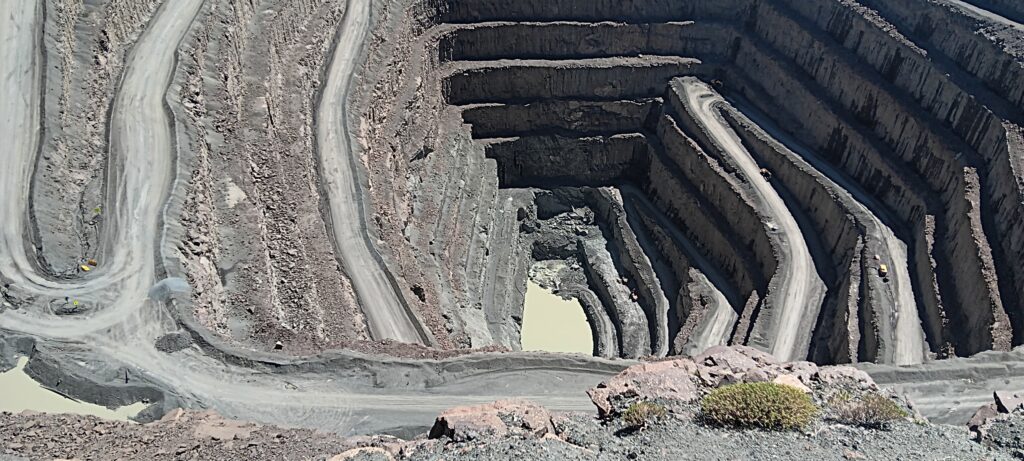
Similar pressures are visible elsewhere. In Lesotho, the Letšeng mine cut 240 jobs in 2025, Mothae moved into care and maintenance and retrenched its workforce, and Kao suspended operations in mid-2026, affecting around 750 workers. In South Africa, Petra Diamonds suspended production at Finsch, while De Beers announced a two-year production pause at Venetia, South Africa’s largest diamond mine. Sierra Leone has also suffered a sharp contraction: diamond export revenues fell by around 80% in 2025, while Koidu, the country’s largest diamond mine, closed and laid off more than 1,000 workers after a prolonged labour dispute pushed an already fragile operation into crisis.
Greater African agency and value capture
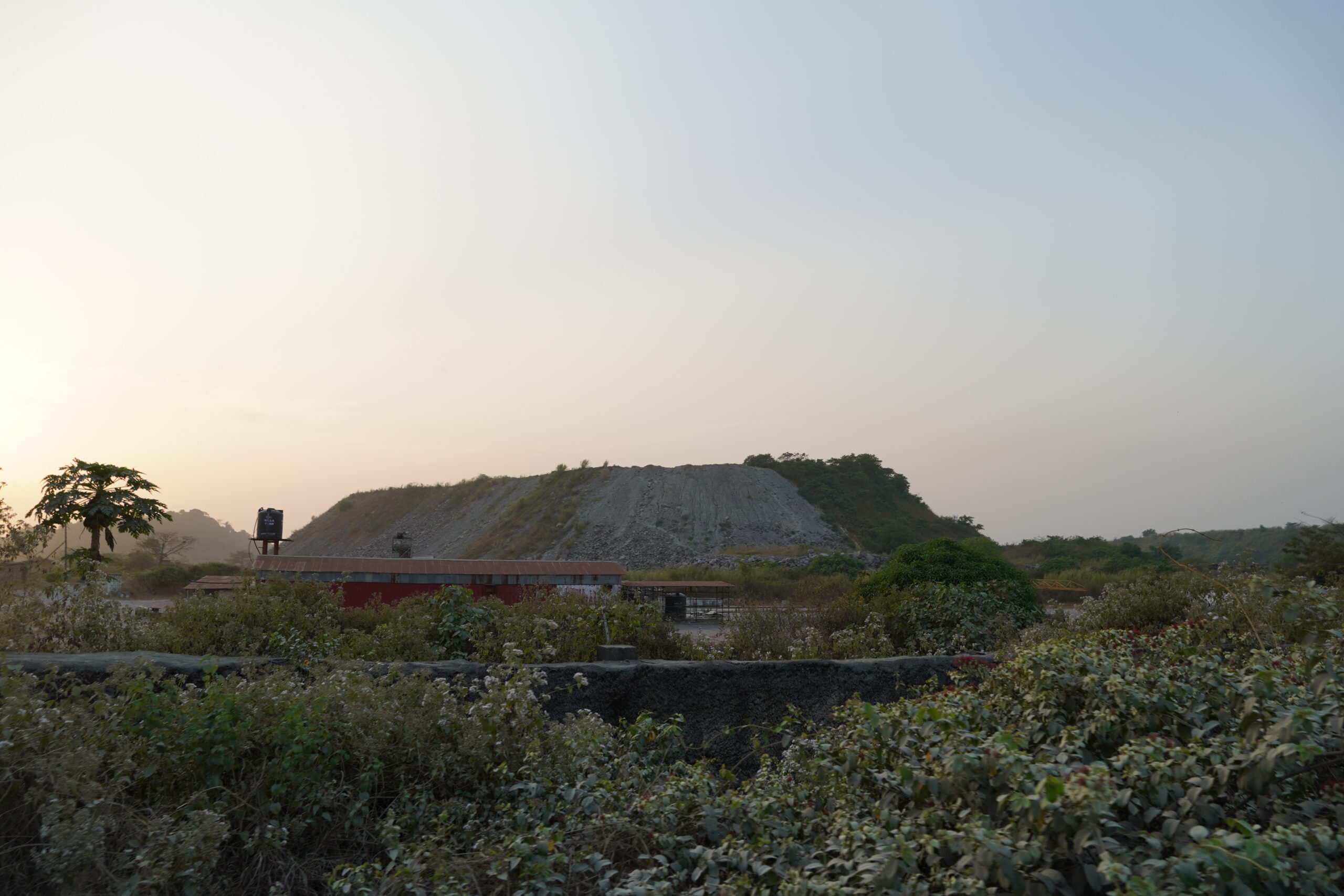
African producers have increasingly sought to move beyond their role as suppliers of rough diamonds and capture more value along the chain. Botswana’s agreement with De Beers is a prominent example. It progressively increases the share of Debswana production sold independently through the state-owned Okavango Diamond Company, while expanding local beneficiation and investing in jewellery manufacturing, grading and skills development.
There are also signs of greater coordination on how natural diamonds are positioned internationally. The Luanda Accord, launched in 2025, brought African producers together with representatives of major trading and manufacturing centres around a commitment to mobilise the equivalent of 1% of annual rough diamond revenues for generic promotion of natural diamonds. Its practical impact remains to be seen, but it reflects an interest among producing countries in playing a more active role beyond extraction alone.
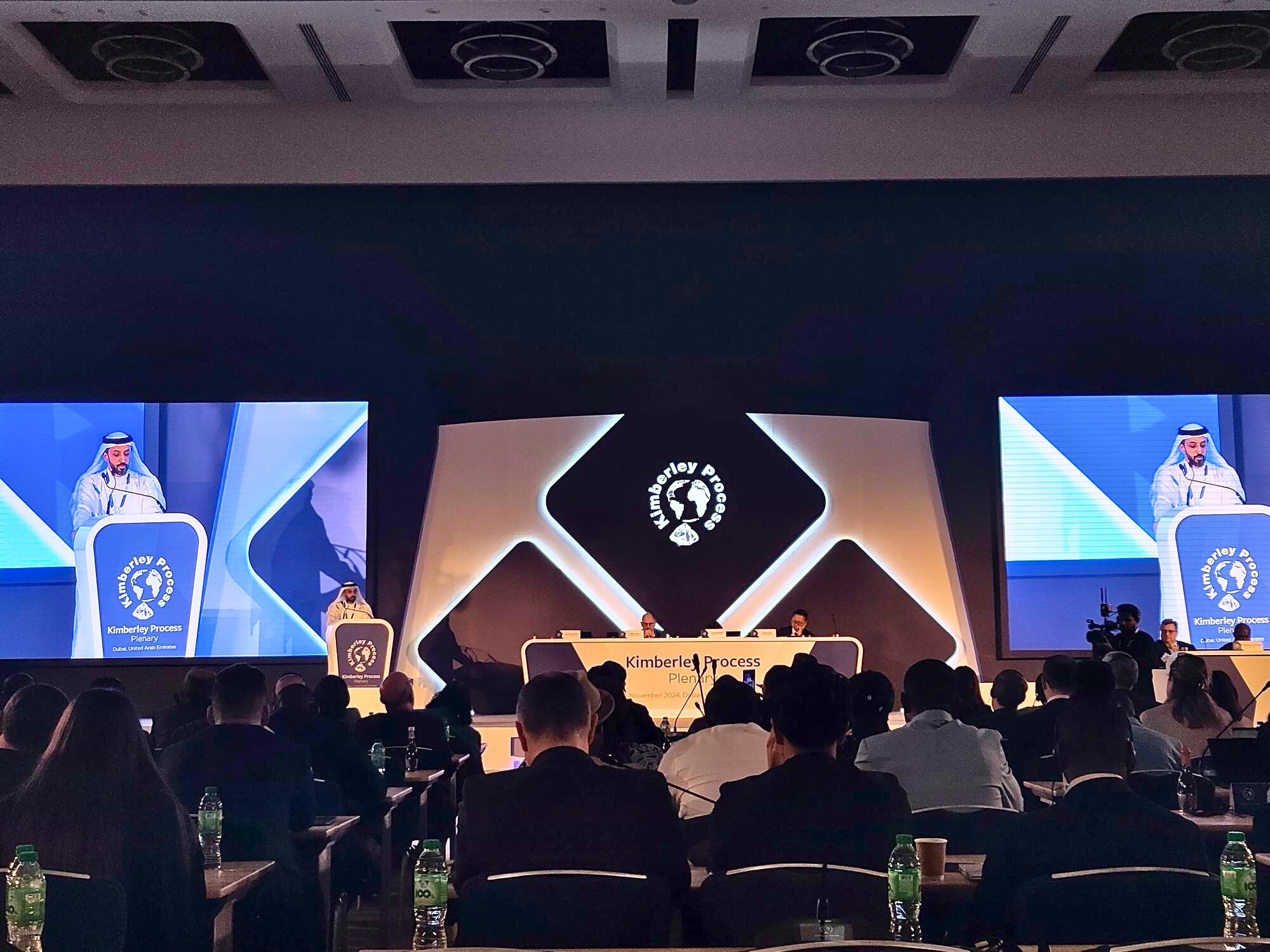
African producers already coordinate political positions, including through the African Diamond Producers Association within the KP. The opportunity is to complement this with more practical cooperation on retaining value, reducing leakages and building capabilities that individual countries may struggle to sustain alone. The Mano River Union provides a useful example: Côte d’Ivoire, Guinea, Liberia and Sierra Leone have worked to harmonise diamond policies and fiscal regimes, exchange information and reduce incentives for cross-border smuggling.
Practical cooperation can also support realistic approaches to value addition. Not every producer can or should develop a complete domestic cutting and polishing industry, particularly where margins are narrow or production volumes limited. Countries need strategies suited to their circumstances. They can also benefit from exchanging experience, avoiding costly approaches that do not work, and exploring regional solutions where economies of scale make them more viable.
Building around a Kimberley Process resistant to reform
The KP remains the common international framework for the rough diamond trade and an important forum bringing together governments, industry and civil society. It provides common trade controls, facilitates the exchange of production and trade statistics, and creates a platform for dialogue in which African actors have a strong presence.
But KP compliance should not be confused with responsible sourcing. It essentially establishes that rough diamonds have passed through the scheme’s controls and are not prohibited under its narrow conflict diamond definition. It says nothing about conditions for workers or artisanal miners, environmental impacts, human rights abuses, violence involving public or private security forces, or whether mining-affected communities fairly share in the benefits. Repeated efforts to broaden the KP’s conflict diamond definition and strengthen its standards have failed, making fundamental reform increasingly difficult to envisage.
Yet, at this stage, abandoning the KP is neither realistic nor necessarily desirable. Its global coverage, statistical systems and tripartite forum remain useful foundations. The challenge is to be clearer about what it can and cannot provide, while building stronger governance around it through national and international action. Traceability efforts can support this by making origin, risks and supply chain relationships more visible and verifiable. But it should remain a means to stronger governance and responsible sourcing rather than a goal in itself. It should help actors identify and address risks rather than avoid them, and bring smaller and more vulnerable producers into responsible supply chains rather than excluding segments considered too difficult or risky.
Artisanal miners and mining communities at the centre
Across several African diamond-producing countries, artisanal and small-scale mining (ASM) remains an important source of production, livelihoods and local economic activity. When formal employment or other economic opportunities decline, its importance can increase further.
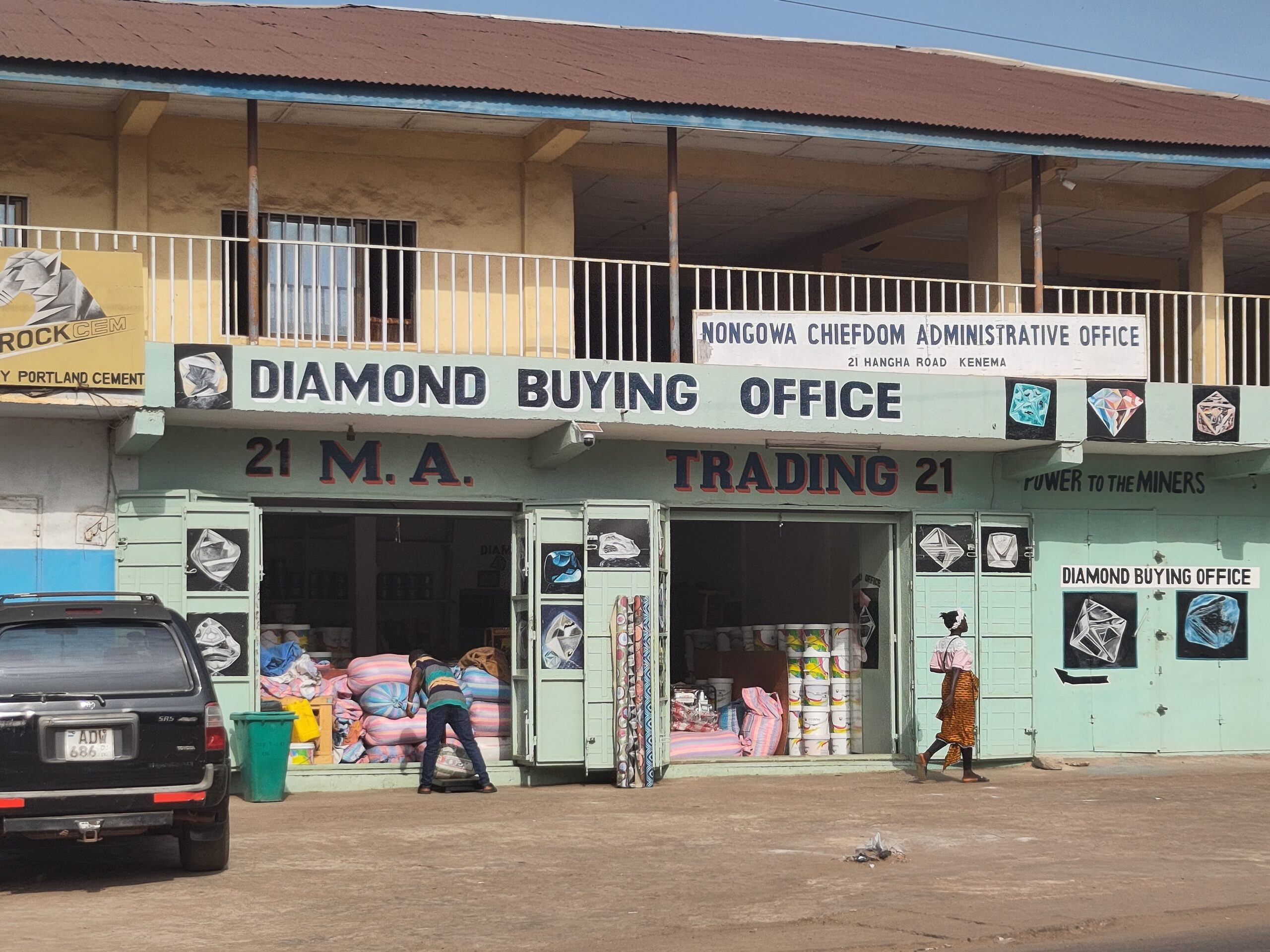
Yet artisanal and small-scale miners often remain poorly integrated into formal diamond supply chains, particularly where legal frameworks and enforcement are ill-adapted to the complex realities of ASM. Where access to mineralised land is limited, licensing is difficult or formal buying channels are unattractive, informal trading networks can offer a more accessible route to market. Market downturns can intensify these dynamics, as illustrated by reports of growing informal artisanal activity around Marange.
A stronger African diamond sector therefore cannot be built by treating ASM mainly as a problem to be controlled or excluded. Governments need to develop workable pathways for artisanal and small-scale miners to operate legally, professionalise and access regulated markets, with the right incentives rather than just additional administrative burdens. Initiatives such as GemFair in Sierra Leone and OrigemA in the DRC show how responsible ASM diamond production and sourcing can be supported through training, technical support, traceability, better market access and commercial opportunities. The next step is to build on these lessons through nationally embedded approaches that can work at scale.
A similar focus on inclusion and tangible outcomes is needed for mining communities more broadly. Improving the position of African diamonds should go beyond collecting individual stories of how mining has benefited particular communities and using them to demonstrate positive impact. The focus should be on improving outcomes more systematically: decent employment and local economic opportunities, public revenues and services, reduced environmental and social harm, meaningful community participation, and realistic avenues for affected people to raise grievances and obtain redress when harm occurs.
These outcomes also matter in a changing market. Synthetic diamonds increasingly compete on price and are often marketed as the more ethical or sustainable choice, despite limited scrutiny of their own environmental and labour impacts. Natural diamonds therefore need a stronger and more credible proposition of their own. Origin can become an asset if it is associated with decent employment, stronger local economies and public revenues, while reducing harm to people and the environment.
For communities such as those in Marange, this is concrete. The value of diamonds is experienced not through export figures, but through jobs, businesses, public services, access to livelihoods and the impacts of mining on land and communities. Any strategy for strengthening African natural diamonds therefore needs to start as much from producing areas as from international markets.
Towards a stronger African proposition
African producers cannot control global demand or the rapid fall in prices of synthetic stones. But they have greater influence over how their diamond sectors are governed, how much value is retained locally and what mining delivers in producing areas.
These agendas need to reinforce rather than undermine each other. Value addition without sound economics can destroy rather than create value; traceability systems that are not designed around the realities of artisanal production can push smaller and more vulnerable miners out of formal supply chains, without making the associated risks disappear; claims about responsible diamonds will ring hollow if conditions in mining areas do not support them.
The lessons extend beyond diamonds. As African countries seek a stronger position in rapidly expanding critical mineral value chains, many of the same questions are resurfacing around value capture, producer-country agency, traceability, responsible sourcing and ASM inclusion. The diamond sector’s long experience with these issues offers useful lessons for critical minerals, from what greater producer-country agency and cross-border cooperation can achieve to the risks of quick-fix approaches built around narrow compliance schemes and of avoiding rather than engaging with risks.
The strongest argument for African diamonds is ultimately not simply that they are natural. It is that they can generate value in the countries and communities where they are found. Ensuring that this happens, and being able to demonstrate it credibly, will be central to maintaining the relevance of African diamonds in a market that is changing faster than at any point in recent decades.
Further Reading



This briefing was produced with the financial assistance of the European Union. The contents of the editorial is the sole responsibility of IPIS and can under no circumstances be regarded as reflecting the position of the European Union.