
Voices from Tanzania – Social and economic impacts of land acquisition by Barrick North Mara Gold Mine in Tanzania: A case study of Komarera, Kewanja and Mjini Kati villages in Tarime District
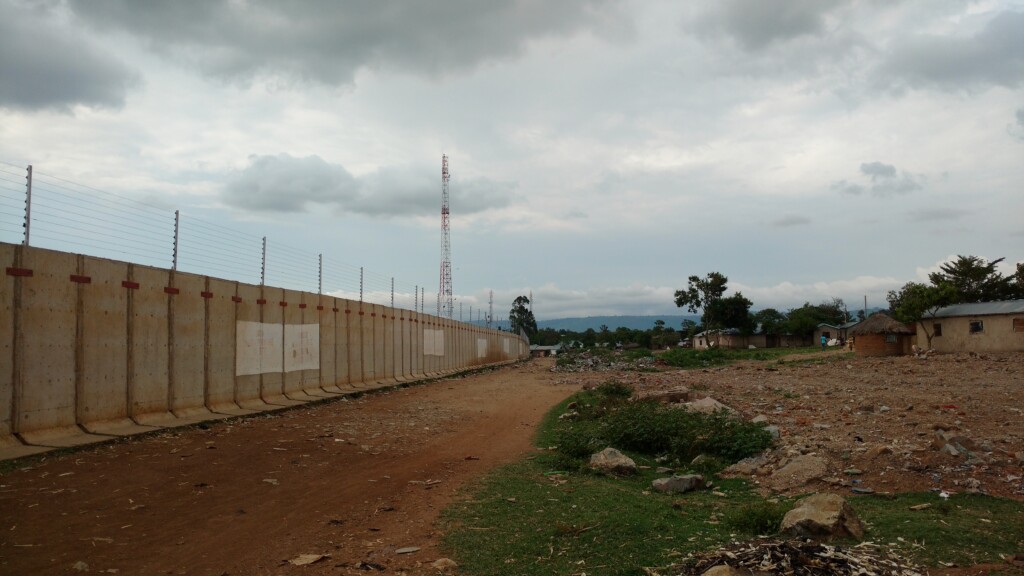
This publication is part of IPIS’ Voices from Tanzania series and its edition on “The impact of land acquisition practices in the extractive sectors of northern Tanzania”. In their Voices from Tanzania study Himiza Social Justice assesses the socio-economic impacts of land acquisition practices by the industrial Barrick North Mara gold mine on 3 villages in […]
Voices from Tanzania – The social-economic impact of land acquisition practices related to Bulyanhulu Gold Mine on communities in Msalala district council, Shinyanga region
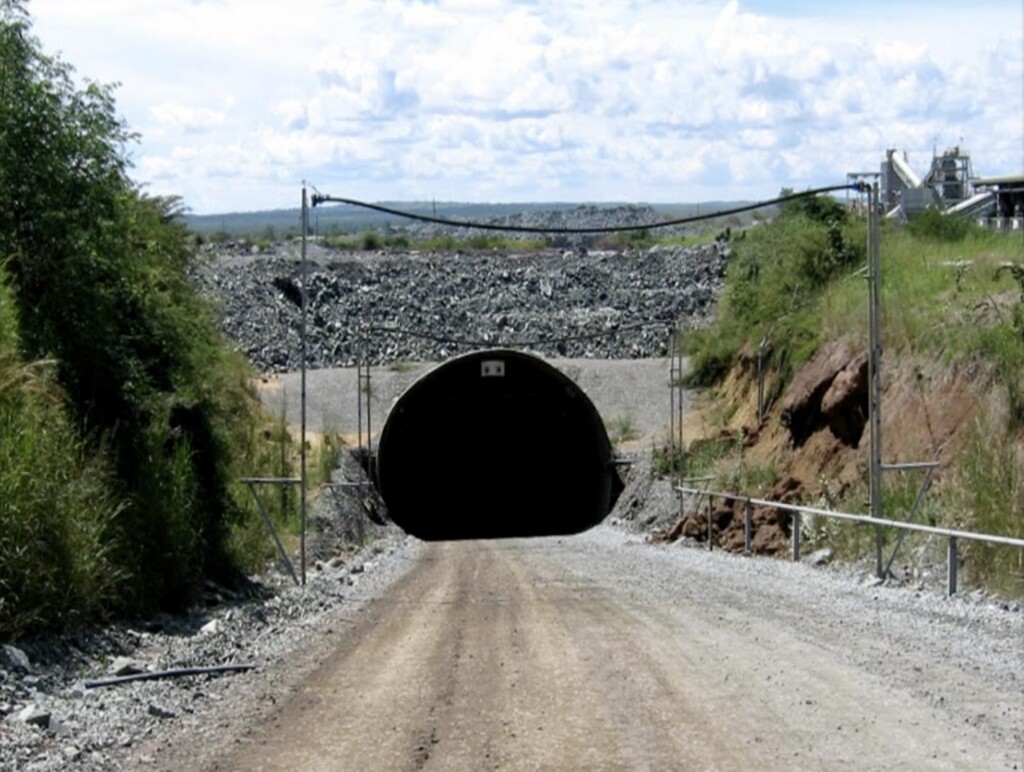
This publication is part of IPIS’ Voices from Tanzania series and its edition on “The impact of land acquisition practices in the extractive sectors of northern Tanzania”. In their Voices from Tanzania study Rafiki SDO assesses the socio-economic impacts of land acquisition practices by the Bulyanhulu gold mine on 2 villages in Msalala district council, […]
Voices from Tanzania – Small-scale producers’ awareness and involvement in the process of land acquisition for the East Africa Crude Oil Pipeline: The case study of Kilindi district in Tanga region
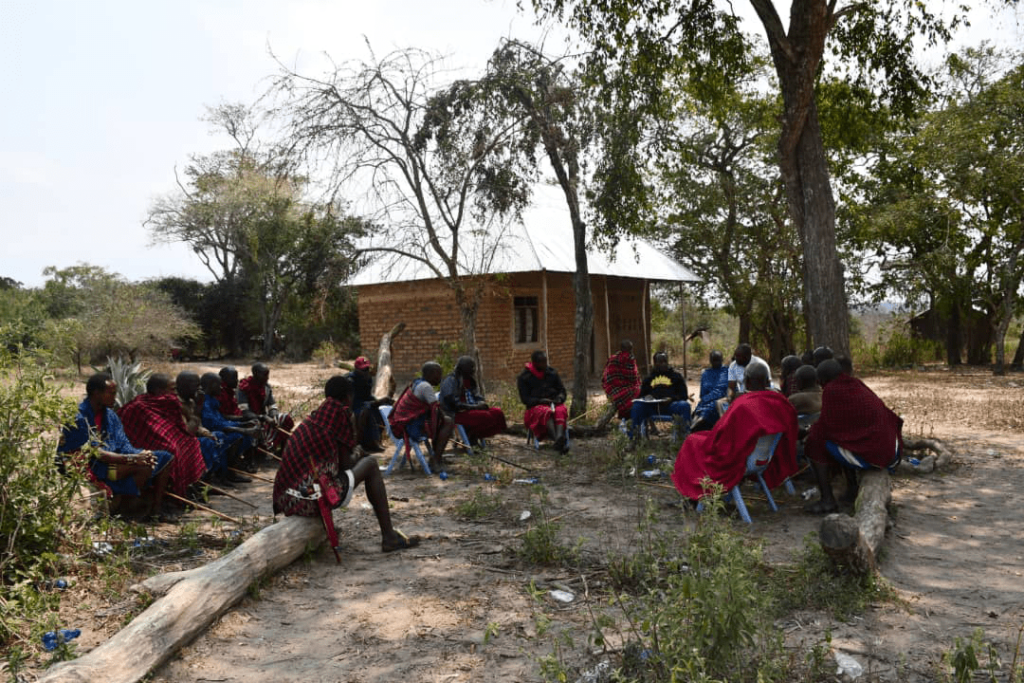
This publication is part of IPIS’ Voices from Tanzania series and its edition on “The impact of land acquisition practices in the extractive sectors of northern Tanzania”. In their Voices from Tanzania study HAKIARDHI assesses the level of awareness and involvement of small-scale producers in the land acquisition processes for the East African Crude Oil Pipeline […]
Voices from Tanzania – The impact of land acquisition processes for the East African Crude Oil Pipeline project on communities in Kiteto district, Manyara region
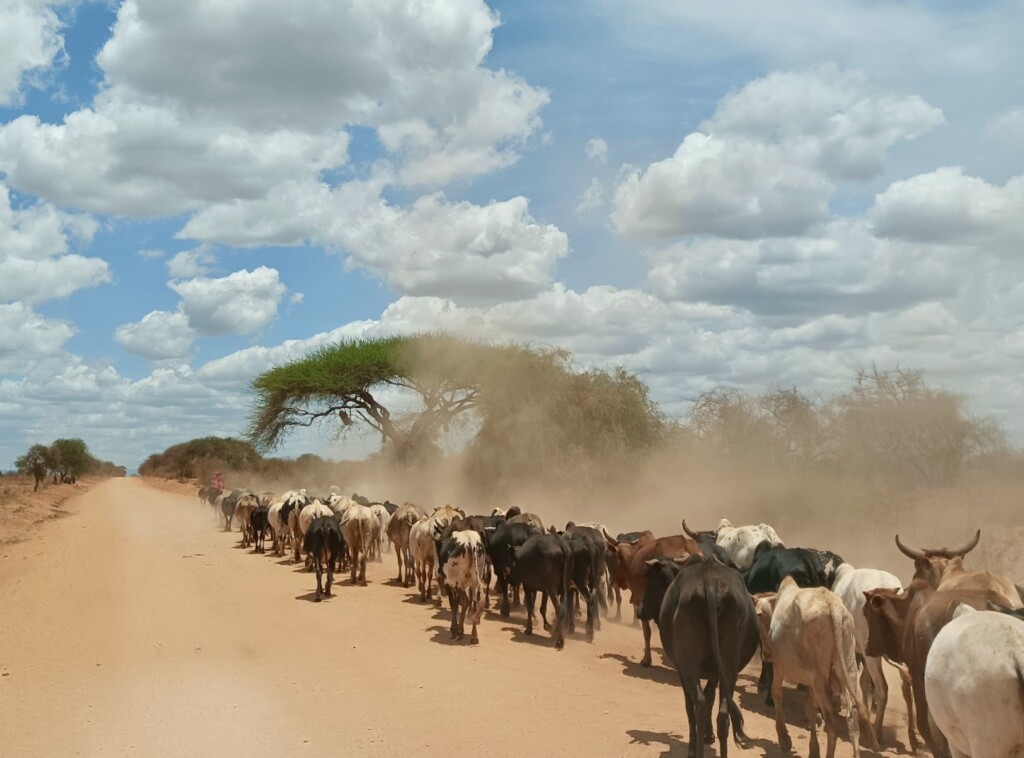
This publication is part of IPIS’ Voices from Tanzania series and its edition on “The impact of land acquisition practices in the extractive sectors of northern Tanzania”. In their Voices from Tanzania study Kinnapa Development Programme discusses the impact of land acquisition processes for the East African Crude Oil Pipeline (EACOP) project on 3 village […]
Voices from Tanzania – The human rights impact of large-scale infrastructure projects: Case studies on Business & Human Rights

The Voices from Tanzania series supports local field-based studies into business and human rights topics in Tanzania. This third volume presents five cases studies that focus on the human rights impact of large-scale infrastructure projects. The studies assessed the human rights impact of 3 energy supply projects– the East African Crude Oil Pipeline (Manyara region), […]
Voices from Tanzania – Land rights and environment: Case studies on Business & Human Rights
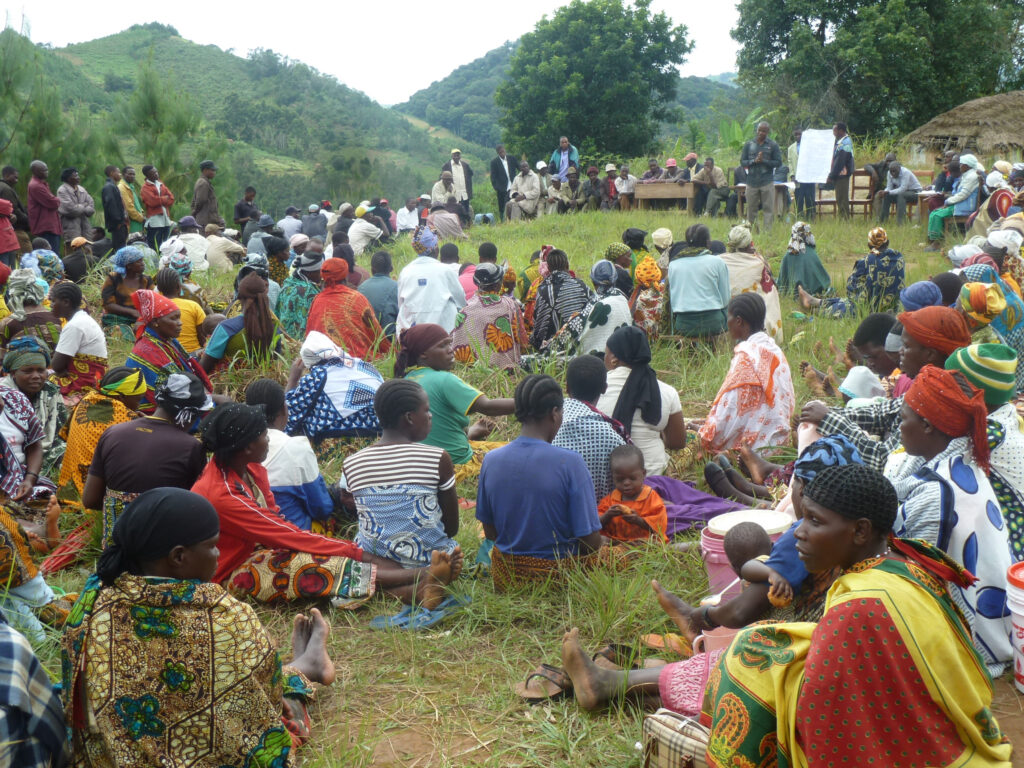
The second volume of “Voices from Tanzania” presents four cases studies that focus on “land rights and environment”. Download this publication in pdf Pakua muhtasari kwa kiswahili The studies are conducted by Tanzanian civil society organisations Lawyers’ Environmental Action Team (LEAT) , HakiArdhi (the Land Rights Research and Resources Institute), Tanzania Women Empowerment in Action […]
Voices from Tanzania – Case studies on pertinent corporate human rights issues in Tanzania

“Voices from Tanzania – case studies on Business and Human Rights (Volume 1)” presents five studies on pertinent corporate human rights issues in Tanzania as conducted by Business and Human Rights Tanzania (BHRT), the Commission for Human Rights and Good Governance (CHRAGG), Governance Links Tanzania, the Legal and Human Rights Centre (LHRC) and IPIS’ project […]